
Plants
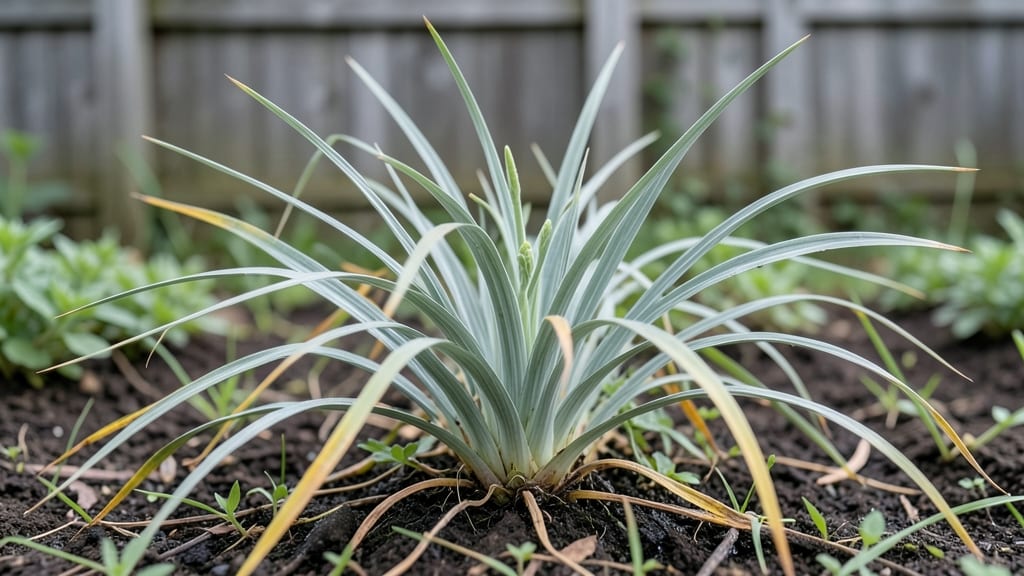
Growing lemon grass shoots from scraps is easier than you think—and you can have fresh 🌿 stems in just two weeks.
Did you know you can regrow lemon grass from scraps in just two weeks—without soil? This simple, zero-waste hack turns kitchen leftovers into a thriving herb garden, saving you money and reducing waste.
All you need is a glass of water, a sunny windowsill, and the bottom 2-3 inches of a lemon grass stalk. Whether you’re a beginner or a seasoned gardener, this method works indoors or outdoors in USDA Zone 6a and beyond.
In this guide, I’ll walk you through the exact steps to sprout healthy shoots, troubleshoot common issues like rot or stunted growth, and keep your lemon grass thriving for months—no green thumb required.
How to regrow lemon grass shoots from scraps in 2 weeks
Regrowing lemon grass from scraps is one of the easiest and most rewarding zero-waste gardening tricks. The key is using the bottom 2-3 inches of the stalk, which contains dormant growth nodes ready to sprout roots.
This method works in water only, making it perfect for small spaces or urban gardens. Whether you’re a beginner or seasoned gardener, you’ll love how quickly this citrusy herb revives with minimal effort.
Lemon grass thrives in warm, humid conditions and can regrow surprisingly fast—often within 10-14 days—if you provide the right balance of light, water, and airflow. The best part?
You don’t need soil, just a clear glass container and a sunny windowsill. Let’s turn those scraps into a lush, flavorful herb in no time!
Step-by-Step Guide to Regrowing Lemon Grass
- 1 Select the right scrap: Choose a fresh lemon grass stalk with 2-3 inches of the base still intact. Trim off any yellow or wilted leaves.
- 2 Prepare the container: Use a small glass jar or bowl with 2-3 inches of water. The base should sit in water but not be fully submerged.
- 3 Place the stalk: Submerge only the bottom 1 inch of the stalk in water. The rest should stay dry to prevent rot. Use toothpicks or a lid to hold it in place.
- 4 Provide bright light: Place the container near a south-facing window or under a grow light for 6+ hours of light daily. Avoid direct midday sun to prevent overheating.
- 5 Change water every 2 days: Refresh the water to keep it fresh and oxygenated. Stagnant water can cause bacterial growth or root rot.
- 6 Watch for roots: After 5-7 days, you’ll see white roots forming. Once roots are 1-2 inches long, your lemon grass is ready to transplant.
- 7 Transplant to soil: Plant the rooted stalk in well-draining potting mix. Keep the soil moist but not soggy and place it in bright, indirect light for a week.
One of the biggest mistakes beginners make is using too much water or letting the stalk sit in stagnant water. Lemon grass roots need oxygen, so change the water every 2 days to prevent mold or rot.
If you notice yellowing leaves, it’s often a sign of overwatering or low light. Adjust your setup quickly to save your plant!
For faster regrowth, place your container near a grow light if natural light is limited. A simple LED grow bulb can provide the 6+ hours of light lemon grass needs daily.
If you’re growing indoors, rotate the container every few days to ensure even growth. This prevents the stalk from leaning toward one light source.
Once your lemon grass reaches 12-18 inches tall, it’s ready to harvest! Simply snip the outer stalks and let the inner ones continue growing. You can even regrow multiple times from the same base by trimming it back after each harvest.
This makes lemon grass one of the most sustainable herbs to grow at home.
Pro tip: If your lemon grass starts to brown at the tips, it’s usually due to fluoride buildup in tap water. Switch to filtered or distilled water to keep your plant healthy and vibrant.
With the right care, your lemon grass will thrive for months, giving you a fresh supply of citrusy flavor year-round!
🌱
Best water, light, and container setup for lemon grass regrowth
Regrowing lemon grass shoots successfully hinges on three critical factors: water management, light exposure, and the right container setup. Lemon grass thrives in moist conditions but despises soggy roots, while it demands bright light to prevent leggy, weak growth.
Choosing the right container—whether a simple glass jar or a specialized propagation tray—can make or break your regrowth efforts.
For water changes, consistency is key. Lemon grass needs about 1 inch of water weekly, but never let the base sit in stagnant water, which causes root rot. Refresh the water every 2-3 days to keep it oxygenated.
If you notice yellowing leaves, this is your first warning sign of overwatering. Balance is everything—lemon grass roots need moisture but also air circulation.
When it comes to lighting needs, natural sunlight is ideal, but artificial grow lights work in a pinch. Place your lemon grass near a south-facing window for maximum exposure, or use a LED grow light 6-12 inches above the container for 12-14 hours daily.
Without enough light, your shoots will stretch toward the source, becoming weak and pale. If you notice this happening, adjust the light source immediately.
For container options, simplicity wins. A glass jar or shallow bowl works perfectly for water propagation, while a mesh pot or small ceramic container is better for soil regrowth. Avoid deep containers—lemon grass roots don’t need much space.
If using water, ensure the container has a wide enough mouth to accommodate the shoot’s base while allowing easy water changes. Pro tip: Use a jar with measurement markings to track water levels accurately.
One of my favorite setups is a clear glass jar with a mesh lid to prevent pests while allowing airflow. Place it on a sunny windowsill, and within 10-14 days, you’ll see fresh roots forming.
If you’re using soil, opt for a well-draining mix with perlite or sand to prevent waterlogging. The key is to mimic the tropical conditions lemon grass loves—moisture without sogginess and bright, consistent light.
Finally, monitor your lemon grass shoots daily for signs of stress. Drooping leaves? It’s thirsty. Brown tips? Too much sun or chlorine in the water. Adjust your setup as needed—this herb is forgiving but demands attention to detail.
With the right balance of water, light, and container, you’ll have a thriving lemon grass plant ready for harvest in no time.