
Planting
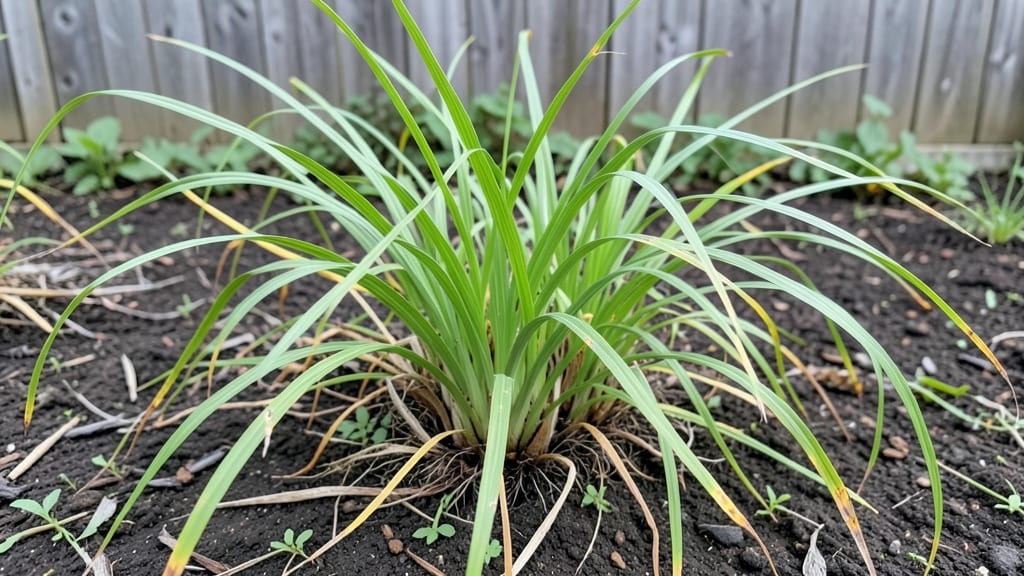
Lemon grass thrives best in USDA hardiness zones 9 through 11, where its tropical nature thrives year-round. In cooler climates, it can survive as an annual or with indoor care during winter months.
This tropical plant loves warmth, with temperatures below 20°F causing irreversible damage. 🌿 Even in marginal zones like 7-8, gardeners can use containers for mobility or mulch heavily to protect roots.
I’ve seen lemon grass bounce back from light frosts when grown in pots, but it’s always safer to bring it inside before winter hits."
For those in zone 6 or colder, overwintering indoors under bright lights works wonders—just keep the soil slightly moist and avoid drafts. The key is mimicking its natural tropical environment, whether that means a sunny windowsill or a grow light setup.
Many chefs swear by homegrown lemon grass for its superior flavor, making the extra effort totally worth it."
💡 In This Article
- USDA Zones for Lemon Grass Cultivation
- Growing Lemon Grass in Non-Ideal Climates
USDA zones for lemon grass cultivation
Lemon grass, a tropical perennial, demands warmth to thrive, with USDA zones 9-11 offering its ideal habitat. These zones maintain average winter temperatures above 40°F, preventing the cellular damage that occurs when temperatures drop below 20°F.
The plant's thick, fibrous stems store water but lack cold resistance, making frost its greatest enemy. In zone 10, for example, temperatures rarely dip below 30°F, while zone 11's coastal climates often stay above 50°F year-round.
The plant's roots are particularly vulnerable, as they absorb moisture and nutrients but can't tolerate freezing. When temperatures fall below 32°F, the root structure begins to degrade, leading to stunted growth or death.
This is why gardeners in zone 9 often see lemon grass flourish in microclimates like south-facing patios or near heat-retaining walls. The plant's natural habitat in Southeast Asia, where temperatures rarely drop below 60°F, explains its strict climate requirements.
In zones 7-8, lemon grass can survive as an annual or with protective measures. The critical threshold is 28°F, where even brief exposure can cause irreversible damage.
Gardeners in these areas often use 3-4 inches of mulch around the base to insulate roots, or grow plants in 10-12 gallon containers that can be moved indoors. The mulch acts like a thermal blanket, maintaining soil temperatures 5-10°F warmer than ambient air.
What most people don't realize is how humidity plays a role—lemon grass prefers 60-80% relative humidity. In dry climates like zone 9a, you'll need to water 2-3 times weekly to compensate.
The plant's large, sword-like leaves transpire rapidly, making moisture retention crucial. In contrast, coastal zone 11 areas often require less frequent watering due to natural humidity from ocean breezes.
For those pushing the limits in zone 6, overwintering indoors becomes essential. The plant's growth slows dramatically below 50°F, but with proper light (12+ hours daily) and moderate watering, it can survive.
I've seen lemon grass regrow vigorously in spring after being kept in a 60-70°F environment with grow lights. The key is maintaining consistent moisture—never letting soil dry completely, as this stresses the plant's already cold-sensitive root system.
Here's what's actually happening at the cellular level: cold temperatures cause ice crystals to form in plant tissues, rupturing cell walls. Lemon grass lacks the antifreeze proteins found in cold-hardy plants like winter wheat.
Instead, its survival depends entirely on external protection—whether that's a greenhouse, container mobility, or strategic planting near heat sources like brick walls.