
Lawn
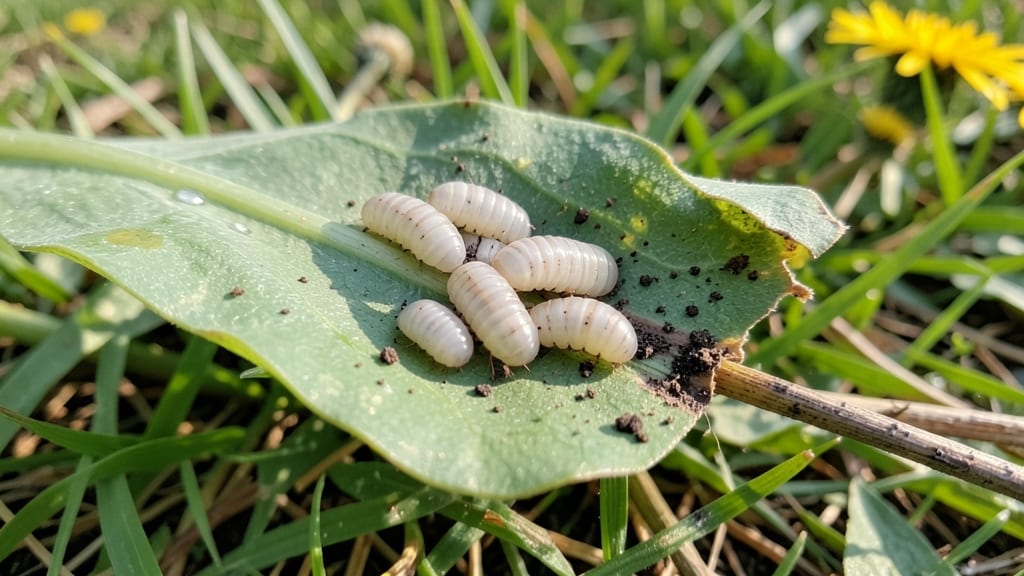
Maggots in grass aren't just unsightly—they can turn your lawn into a squishy mess overnight. 🌱 I’ve wrestled with these wriggly pests, and the key to stopping them is understanding their life cycle and acting fast.
These aren’t just random grubs; they’re fly larvae feasting on your grass roots, and they multiply faster than you’d think.
The real culprits? Overwatering, thick thatch layers, and piles of organic debris giving them the perfect hiding spots. Most people reach for harsh chemicals first, but that’s a shortcut to killing your lawn along with the pests.
Instead, we’ll use targeted, natural methods that work within 48 hours—no waiting months for results.
By the end of this, your lawn will be maggot-free and stronger than ever. You’ll spot fewer brown patches, see healthier grass growth, and avoid the annual battle with fly seasons. The secret? Combining quick fixes with long-term habits that keep your soil healthy and pests out for good.
Works for any lawn type, from shady patches to sunny backyards. Let’s get those grubs gone for good—without sacrificing your grass in the process.
Why it happens
Discovering maggots in your grass can feel like a shock—especially when you’re expecting a lush, green lawn. But before you panic, it’s important to understand why these squirming larvae show up in the first place.
The issue usually boils down to a mix of environmental conditions, poor lawn care habits, and the natural lifecycle of certain pests. Let’s break down the science behind these unwelcome visitors.
🌱 Overwatered or Compacted Soil
Maggots, particularly those from the Phyllophaga (June bug) or Cyclocephala (May/June beetle) families, thrive in moist, oxygen-deprived soil. Here’s why:
- Excessive watering: When grass is overwatered, the topsoil stays soggy for long periods. This creates the perfect breeding ground for fly larvae, which need damp conditions to survive. Pro tip: Aim for deep but infrequent watering (1–1.5 inches per week) to encourage root growth and reduce standing water.
- Poor drainage: Sloped yards, clay soil, or heavy foot traffic can compact the soil, trapping moisture and preventing air circulation. Compacted soil also makes it harder for grass roots to absorb water, forcing them to rely on surface moisture—another maggot magnet.
- Thatch buildup: A thick layer of organic debris (dead grass, leaves) on the soil surface can trap moisture and block airflow, creating a cozy hideout for fly eggs.
Actionable fix: Test your soil’s drainage by pouring water on a small patch. If it pools for more than 6 hours, you’ve got a drainage issue. Aerate your lawn in early fall to loosen compacted soil and improve airflow.
🐛 Fly Infestations: The Unseen Invaders
Maggots are the larval stage of flies, and their presence is almost always a sign of an adult fly problem nearby. The two most common culprits are:
- House flies and cluster flies: These flies lay eggs in decaying organic matter (like mulch or compost piles) near your lawn. Once hatched, maggots burrow into the soil to feed on roots and organic debris.
- Dung flies (especially in pastures): If you have pets or livestock, their waste attracts dung flies, which lay eggs in the manure. The maggots then migrate to nearby grass, weakening it.
Key trigger: Warm, humid weather (60–90°F) is prime fly-laying season. Flies seek out moist, nutrient-rich soil to deposit their eggs, often within 24–48 hours of a heavy rain or irrigation.
🌾 Nutrient-Deficient or Stressed Grass
Healthy grass is resilient, but when it’s weak—due to poor nutrition, disease, or drought—it becomes an easier target for maggots. Here’s how stress factors in:
- Lack of nitrogen: Grass needs nitrogen to stay green and strong. When it’s deficient, roots weaken, making them an appetizing snack for maggots feeding on organic matter.
- Fungal infections: Diseases like dollar spot or brown patch create dead patches where maggots can thrive unchecked. Fungal decay also emits odors that attract flies.
- Drought stress: While maggots love moisture, drought-stressed grass recovers slowly, leaving bare spots where flies can lay eggs without competition from healthy turf.
Actionable fix: Conduct a soil test to check nutrient levels. If nitrogen is low, apply a slow-release fertilizer in early spring or fall. Overseed thin areas to restore density and outcompete pests.
🕳️ Organic Debris and Lawn Waste
Maggots aren’t picky eaters—they’ll feast on anything decomposing, including:
- Leaves, grass clippings, and mulch left on the lawn surface.
- Pet waste (especially dog or horse manure).
- Decaying plant matter from dead roots or thatch layers.
Flies are drawn to these food sources to lay their eggs. Once hatched, maggots burrow into the soil, where they can chew on grass roots or tunnel into thatch, creating weak spots.
Prevention tip: Remove organic debris regularly (mow high to reduce clippings, rake up leaves, and clean up pet waste). Use a mulching mower to chop clippings finely—they decompose faster and don’t attract as many flies.
🌡️ Seasonal and Climatic Factors
Maggot activity isn’t random—it’s tied to specific weather patterns and seasons:
- Spring and early summer: Warm, rainy conditions trigger fly populations to explode. Adult flies emerge to mate and lay eggs in moist soil.
- After heavy rain: Puddles and saturated soil create ideal hatching conditions. Maggots can appear within 3–5 days of prolonged moisture.
- Humid climates: Regions with high humidity (like the Southeast U.S.) see year-round maggot activity, while drier areas may only see outbreaks in spring.
Climate hack: If you’re in a humid zone, water your lawn early in the morning to allow soil to dry faster. Avoid evening watering, which prolongs moisture and invites flies.
How to solve it
Discovering maggots wriggling in your grass can be unsettling, but the good news is that you can tackle the problem fast with the right approach. These solutions target the root causes—whether it’s overwatering, poor drainage, or an overabundance of organic debris—while also preventing future infestations.
Let’s break down the fixes by cause and keep your lawn healthy and maggot-free.
🌧️ Overwatering or Poor Drainage
If your lawn stays soggy for too long, it creates the perfect breeding ground for maggots. Here’s how to dry it out and discourage future problems:
- 🔥 Reduce Watering: Water your lawn deeply but less frequently—aim for 1-1.5 inches per week, including rainfall. Early morning is best to allow moisture to evaporate.
- 🍳 Improve Drainage: Aerate compacted soil in the spring or fall to help water drain. Use a core aerator to pull small plugs of soil, then top-dress with compost to improve texture.
- 👨🍳 Rake Up Standing Water: If puddles persist after rain, use a rake to redistribute soil and create gentle slopes to direct water away from low spots.
🍖 Organic Debris Buildup
Leaves, clippings, and thatch provide a buffet for flies looking to lay eggs. Clear the clutter to starve out maggot populations:
- 🔪 Remove Debris: Rake up leaves, twigs, and thick layers of grass clippings. Bag and dispose of them—don’t compost them on-site if maggots are present.
- 🥘 Thin the Thatch: Use a thatch rake to break up the layer of dead grass and roots. Aim for a thatch layer no thicker than ½ inch.
- ⏰ Mow Higher: Set your mower to 3-4 inches to shade the soil and reduce moisture retention, making it less inviting for flies.
🐛 Fly Infestation Hotspots
If flies are already swarming, act fast to disrupt their life cycle. These steps will help you regain control:
- 💡 Use Beneficial Nematodes: Apply Steinernema carpocapsae nematodes, microscopic worms that parasitize maggots. Follow package instructions for best results—typically water the lawn, apply nematodes in the evening, and keep the soil moist for 3-5 days.
- 🌡️ Apply Organic Insecticides: Spray with neem oil or Bacillus thuringiensis israelensis (Bti), a natural bacteria that targets fly larvae. Reapply every 2-3 weeks until the problem subsides.
- 🎯 Introduce Predatory Insects: Encourage ground beetles, spiders, and birds by planting native grasses and avoiding pesticides. These natural predators will help keep maggot populations in check.
🔄 Long-Term Prevention Tips
Once you’ve kicked the maggots to the curb, keep them from returning with these proactive strategies:
- ✨ Maintain a Healthy Lawn: Fertilize with low-nitrogen, slow-release options to avoid overfeeding, which attracts flies. Test your soil annually to balance pH and nutrients.
- 🌱 Overseed Bare Spots: Fill in thin or bare patches with grass seed to create a dense turf that’s less appealing to flies.
- 🚫 Avoid Over-Fertilizing: Too much nitrogen (especially in spring) can spur rapid grass growth, which attracts flies. Follow a balanced fertilizer schedule (e.g., 10-10-10 or 16-4-8).
- 🔄 Rotate Solutions: If maggots return, alternate between nematodes, Bti, and cultural fixes to prevent resistance.
With these targeted fixes, your lawn can bounce back in 48 hours or less. Stay vigilant, and those wriggly intruders won’t stand a chance!
Frequently asked questions about maggots in grass
Are maggots in grass always harmful?
Not all maggots are equally destructive. While fly larvae (like those from houseflies or cluster flies) feed on organic matter and grass roots, some species—such as beneficial nematodes—actually help control pests. The key is identifying the type: if your lawn has squishy patches or thinning grass, it’s likely harmful maggots. Healthy lawns can handle a few harmless varieties.
How do I know if maggots are the cause of my lawn problems?
Look for these signs: spongy grass that gives way when stepped on, yellowing patches that pull up easily, or tiny white larvae (1/4-inch long) wriggling in the soil. If your grass smells sweet or fermented when pulled up, maggots are likely feeding on decaying roots. Check after rain—this is when they’re most active.
Can I use vinegar to kill maggots in grass?
Vinegar (5% acetic acid) can kill maggots on contact, but it’s not a long-term solution. Spray undiluted white vinegar directly onto affected areas, then water lightly to help it penetrate the soil. However, vinegar can also harm grass over time by altering soil pH. For best results, combine it with beneficial nematodes or neem oil for a two-pronged attack.
Will maggots go away on their own?
They might slow down, but they won’t disappear without intervention. Maggots have a 3-4 week lifecycle, and if conditions (like moisture and organic debris) stay ideal, new generations will keep appearing. Left unchecked, they’ll weaken your lawn further. Act within 48 hours of noticing them to break their cycle—focus on drying the soil and removing food sources.
Are there natural predators that eat maggots?
Ground beetles, spiders, and birds are natural maggot hunters. To attract them, avoid pesticides and plant native grasses or wildflowers near your lawn. Dusky ground beetles, in particular, are voracious maggot eaters. Another trick: leave a shallow dish of water with a bit of sugar in your yard—it’ll draw in predators like robins and starlings.