
Lawn
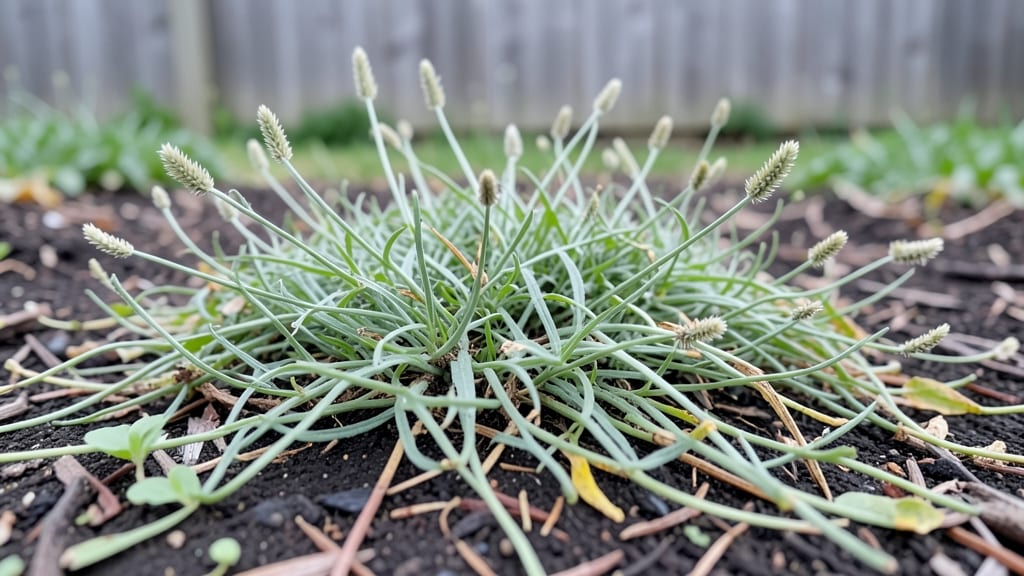
Viney grass weed—those wiry, fast-spreading invaders—can turn a tidy lawn into a tangled mess in weeks. I’ve wrestled with these stubborn weeds for years, and I finally cracked the code with a method that actually works without harsh chemicals.
The key? Targeted removal at the right time, smothering techniques, and a little patience to break their life cycle.
Most people grab herbicides first, but that just masks the problem. My approach focuses on pulling weeds when the soil’s damp (so you get the whole root), covering bare spots with thick mulch or cardboard, and planting competitive ground covers like clover or creeping thyme.
It takes about 3-4 weeks of consistent effort, but the results last—no more sneaky regrowth creeping up between your grass blades.
By the end, your lawn will look like it’s been professionally treated, but with none of the chemical residue. The secret’s in the timing: tackle it in early spring or fall when weeds are young and vulnerable.
You’ll save money, protect your soil, and avoid the dreaded "weed-and-seed" cycle that keeps stores in business.
Works for shady patches, sunny lawns, and even between sidewalk cracks. The same principles apply whether you’re dealing with nutgrass, Bermuda, or those pesky yellow nutsedge lookalikes. Let’s get those weeds out for good!
Why it happens
Before you can tackle viney grass weed (or any invasive plant), it helps to know why it thrives in the first place. These resilient weeds don’t just pop up randomly—they exploit specific conditions in your lawn or garden.
Let’s break down the science behind their persistence and how they gain the upper hand.
🌱 Overcrowded or Thin Turf
Weeds like viney grass (often Digitaria sanguinalis or similar species) thrive where grass struggles. When your lawn is sparse—due to poor soil, drought, or heavy foot traffic—bare patches create the perfect entry point.
Viney grass spreads aggressively through its rhizomatous roots and seed production, filling gaps faster than most grasses can recover.
Why it happens:
- Competition gap: Healthy turf outcompetes weeds for sunlight, water, and nutrients. Thin grass leaves no defense.
- Seed germination: Viney grass seeds lie dormant until soil disturbance (like mowing or aerating) exposes them to light and warmth.
- Shade tolerance: Unlike cool-season grasses, viney grass handles partial shade, making it a nuisance in overgrown or shaded lawns.
Actionable fix: Overseed bare spots in early fall with a dense, competitive grass variety (like tall fescue or perennial ryegrass) to starve out weeds before they take root.
💦 Poor Watering Practices
Watering inconsistently—either too much or too little—creates ideal conditions for viney grass. These weeds are drought-tolerant but also opportunistic, meaning they’ll dominate if your lawn’s water needs aren’t met.
Why it happens:
- Deep watering: Frequent shallow watering (like daily sprinklers) keeps the topsoil moist, encouraging weed seeds to germinate.
- Drought stress: When grass wilts from underwatering, viney grass’s deep roots and rapid spread give it a survival advantage.
- Post-watering spikes: Overwatering after a dry spell can trigger a flush of weed germination as seeds sense sudden moisture.
Actionable fix: Adjust to deep, infrequent watering (1–1.5 inches per week) and water early in the morning to reduce evaporation and fungal risks. Use a soaker hose for targeted hydration.
🌡️ Soil Imbalances & Nutrient Deficiencies
Viney grass and similar weeds often invade lawns with compacted, acidic, or nutrient-poor soil. These conditions weaken grass roots, making it easier for weeds to establish dominance.
Why it happens:
| Soil Issue | Weed Advantage | Grass Disadvantage |
|---|---|---|
| Low nitrogen (N) | Weeds like viney grass fix nitrogen from the air, thriving even in poor soil. | Grass requires consistent nitrogen for leafy growth; deficiencies stunt recovery. |
| High soil pH (alkaline) | Viney grass tolerates alkaline conditions better than most grasses. | Grass struggles to absorb iron and manganese, leading to yellowing ("lime-induced chlorosis"). |
| Compacted soil | Weeds send shallow roots into loose surface layers, while grass roots suffocate. | Compacted zones block oxygen, causing grass roots to weaken and die. |
Actionable fix:
- Test your soil (pH and NPK levels) and amend with compost or sulfur to balance pH (ideal: 6.0–7.0).
- Apply a slow-release nitrogen fertilizer in early spring to boost grass growth.
- Core aerate annually to relieve compaction and improve water/nutrient penetration.
🌿 Lack of Proper Lawn Maintenance
Skipping basic lawn care tasks gives viney grass a free pass to spread. These weeds are fast-growing and seed-prolific, meaning they’ll outpace neglected grass in no time.
Why it happens:
- Infrequent mowing: Viney grass grows in clumps up to 2 feet tall. Tall grass shades the soil, keeping it cool and moist—perfect for weed seeds.
- No dethatching: A thick thatch layer (dead grass buildup) blocks water and nutrients, while weeds push through easily.
- Delayed weed control: Waiting until weeds flower means they’ve already dropped thousands of seeds into your lawn.
Actionable fix:
- Mow regularly (height: 3–4 inches for most grasses) to prevent seed production.
- Dethatch annually in early spring if thatch exceeds ½ inch.
- Apply pre-emergent herbicide in early spring (before weed seeds germinate) or post-emergent when weeds are young and tender.
🐛 Pest & Disease Damage
Grubs, chinch bugs, or fungal diseases (like brown patch) can kill grass roots, leaving behind dead patches that viney grass happily invades. Even animal urine (from pets or wildlife) can burn grass, creating weed-friendly gaps.
Why it happens:
- Grub infestations: White grubs feed on grass roots, causing patches to turn brown and die.
- Fungal infections: Diseases like Rhizoctonia solani (brown patch) create circular dead zones where weeds take over.
- Pet urine spots: High nitrogen concentrations from urine can burn grass while stimulating weed growth.
Actionable fix:
- Treat grub infestations with beneficial nematodes or grub-specific insecticides in late summer.
- Improve drainage to reduce fungal risks (viney grass tolerates wetter conditions than most grasses).
- Dilute pet urine with water or train pets to urinate in designated areas (like gravel or mulch).
How to solve it
Once you’ve identified why viney grass weed (like nutgrass or nutsedge) is taking over your lawn, it’s time to tackle it head-on—without harsh chemicals. Below are targeted solutions based on the root cause of your problem, plus proactive steps to keep these pesky invaders from returning.
🔥 Overwatered Soil? Drain & Dry It Out
If your lawn stays soggy, viney weeds thrive in the moisture. The fix? Improve drainage and let the soil dry between waterings.
- 🔧 Fix: Aerate compacted soil with a core aerator (rent one if needed) to help water drain faster.
- 💡 Pro Tip: Water deeply but infrequently—early morning (6–9 AM) is best to reduce evaporation.
- ⏰ Schedule: Aim for 1–1.5 inches per week (including rain). Use a rain gauge to track.
🍳 Shady or Damp Spots? Adjust Light & Mulch
Viney weeds love low-light areas where grass struggles. Boost sunlight exposure and smother them naturally.
- 🌿 Fix:
- Trim overhanging trees/branches to let more light reach the lawn.
- Replace thick mulch (which traps moisture) with dried leaves or straw in garden beds.
- 💡 Pro Tip: Plant shade-tolerant grasses like fine fescue in problem areas to outcompete weeds.
👨🍳 Thin or Weak Grass? Strengthen Your Lawn
When grass is sparse, weeds move in. Revive your turf to starve out invaders.
- 🌱 Fix:
- Overseed: Spread grass seed (match your climate) in early fall when weeds are dormant.
- Fertilize: Use a slow-release, organic fertilizer (like compost or bone meal) to feed roots.
- 💡 Pro Tip: Mow high (3–4 inches) to shade out weeds and retain moisture.
🔪 Existing Weeds? Pull & Smother
For established viney weeds, manual removal and barriers work best. Here’s how:
- 🌱 Step 1: Dig Deep
- Use a weed puller or fork to remove the entire rhizome (underground stems). Break off any remaining pieces.
- ⚠️ Warning: Wear gloves—some weeds (like nutgrass) have sharp edges!
- 🛡️ Step 2: Block Regrowth
- Lay cardboard or thick newspaper over bare spots, then top with 2–3 inches of mulch or wood chips.
- For lawns, reseed immediately after removing weeds.
✨ Prevent Future Outbreaks
Stop viney weeds before they start with these long-term strategies:
- 🌡️ Monitor Soil Moisture: Use a moisture meter or stick your finger 1 inch deep—water only if dry.
- 🎯 Stay Vigilant: Check for new shoots weekly in spring/fall (peak growth seasons).
- 🍂 Clean Tools: Disinfect lawnmowers, rakes, and shovels with a 10% bleach solution to avoid spreading rhizomes.
- 🌱 Boost Beneficial Microbes: Apply compost tea or mycorrhizal fungi to improve soil health naturally.
Remember: Consistency is key. Viney weeds are persistent, but with these methods, you’ll reclaim your lawn—without toxic chemicals. Start with the fixes that match your biggest problem, then layer in prevention for lasting results!
Frequently asked questions about vine-like grass weeds
How can I tell if my grassy weeds are actually viney grass weeds?
Look for thin, wiry stems that grow in tangled clumps and spread rapidly. Viney grass weeds often have seed heads that resemble tiny bottlebrushes or feathery tufts. Unlike regular grass, they grow in random directions and can reach 2 feet tall if unchecked. Check the roots—if you see rhizomes (horizontal underground stems), that’s a dead giveaway.
Why do viney grass weeds keep coming back even after I pull them?
These weeds reproduce through both seeds and underground rhizomes. If you don’t remove the entire root system (including all rhizome fragments), new shoots will sprout. Break off any remaining root pieces and dispose of them in sealed bags. For stubborn patches, smother with cardboard + mulch to block sunlight.
Is vinegar an effective way to kill viney grass weeds?
Yes, but with limitations. A 20% vinegar solution (1 part white vinegar + 4 parts water + 1 tbsp dish soap) works as a natural herbicide. Spray on a dry day, avoiding desirable plants. Repeat every 3-5 days for best results. The downside? Vinegar kills all vegetation—use it only in cracks, driveways, or areas where you want bare ground.
Can I prevent viney grass weeds by adjusting my mowing habits?
Mow at 3-4 inches tall to shade out weeds and keep them from seeding. Set your mower blade high and mow regularly (at least weekly during growing season). Never remove more than 1/3 of the blade height in one mowing. Bag the clippings to remove weed seeds from the cycle.
What's the best time of year to tackle viney grass weeds?
Target them in early spring (before they seed) or late summer/fall when growth slows. Young weeds are easier to pull, and cooler temps reduce regrowth. Avoid treating in drought conditions—weeds become more resilient when stressed. For chemical-free control, focus on May-June and September-October.