
Mower
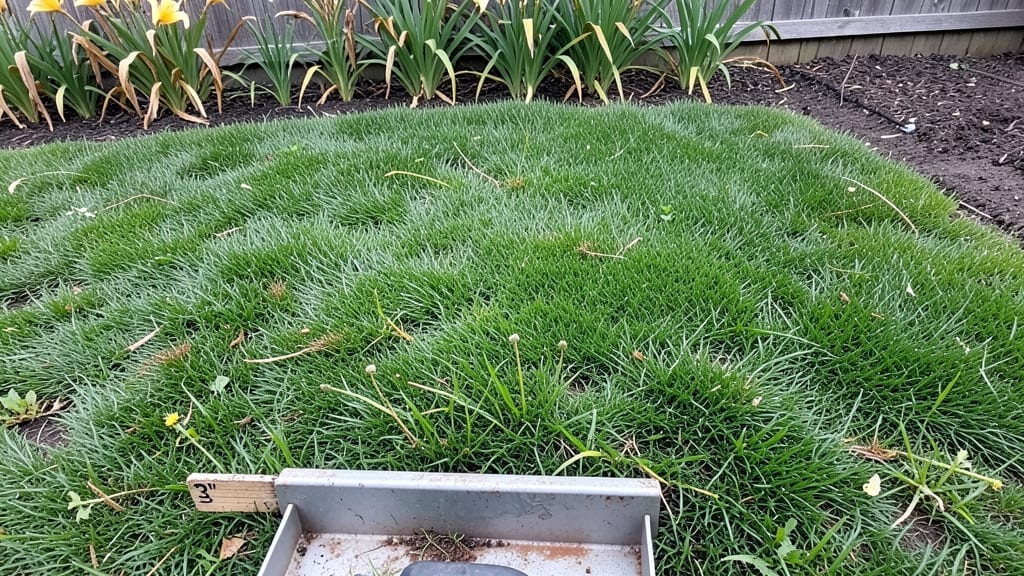
Mowing grass too short weakens roots, invites weeds, and stresses turfgrass, often leading to brown patches and slow recovery. Aim for 3–4 inches height to protect lawn health and drought resistance.
Cutting grass too short disrupts its natural growth cycle by exposing roots to harsh sunlight and heat, which can cause them to dry out or burn. 🌱 Different grass types react uniquely—cool-season grasses like Kentucky bluegrass struggle more than warm-season varieties such as Bermuda, which have deeper root systems.
The stress from frequent low cuts also weakens the plant's ability to fight off pests and diseases, creating opportunities for weeds to take over.
When you maintain a taller grass height, you're essentially creating a protective canopy that retains soil moisture and regulates temperature. This simple adjustment can improve your lawn's resilience against drought and foot traffic while promoting thicker, healthier growth over time.
💡 In This Article
- How Short Mowing Damages Grass Roots and Soil
- Step-by-Step Recovery Plan for Over-Mowed Lawns
How short mowing damages grass roots and soil
When you mow grass too short, you're essentially stripping away its natural protective layer. The blades act as a shield, blocking up to 70% of sunlight from reaching the soil below.
Without this shade, soil moisture evaporates 3-5 times faster during hot days, creating a dry, cracked surface that roots can't penetrate. This stress forces grass plants to divert energy from root growth to survival, weakening their ability to absorb water and nutrients.
Different grass species react dramatically to short mowing. Cool-season grasses like Kentucky bluegrass have shallow root systems that extend only 3-6 inches deep, making them highly vulnerable to heat and drought when their blades are removed.
Warm-season grasses such as Bermuda, however, have deeper roots reaching 12-18 inches, allowing them to better withstand short cuts—but even they suffer from reduced rhizome activity, which is how they spread and recover. The rhizomes (horizontal stems) need energy from the blades to produce new shoots.
Here's what happens below the surface: exposed soil loses its protective microbial layer that helps break down organic matter. Without this biological activity, nutrients become locked away in unavailable forms. The soil's temperature also spikes, which can kill beneficial bacteria and fungi that help roots absorb water.
This creates a vicious cycle where the grass struggles to recover even after you stop mowing short.
One often overlooked consequence is the disruption of the grass's natural cooling system. Healthy blades create microclimates that stay 5-10°F cooler than bare soil. When you remove these blades, the roots experience heat stress similar to what would occur during a drought.
This is why you'll often see brown patches appear within 2-3 weeks of aggressive mowing—it's not just the lack of green blades, but the cumulative damage to the root zone.
Consider this comparison: a lawn mowed at 3 inches maintains 25% more soil moisture than one cut at 1 inch. The taller blades also block 90% of weed seeds from germinating by preventing sunlight from reaching the soil.
This is why professional turf managers recommend never removing more than 1/3 of the blade height in a single mowing—it's about preserving that critical canopy that protects everything below.
What most people don't realize is how this affects the grass's reproductive cycle. Many turfgrasses reproduce through tillers (new shoots from the base) and stolons (horizontal stems). When you cut too short, these growth points are damaged, reducing the plant's ability to spread and fill in bare spots.
This is why over-mowed lawns often develop thin, patchy areas that take 3-6 months to recover, even with proper care.