
Lawn
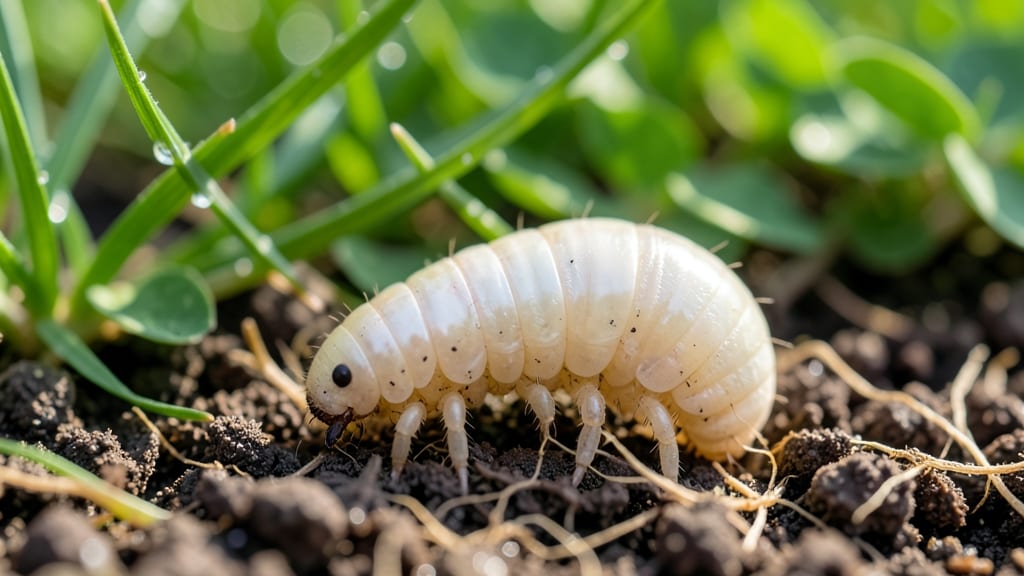
A natural grub treatment for lawns that stops lawn grubs in their tracks—without chemicals. 🌱 I’ve seen firsthand how grubs turn lush lawns into patchy brown carpets overnight, but this method works in hours, not weeks.
The secret? A simple, organic approach that disrupts their lifecycle before they cause real damage.
Grubs thrive underground, feeding on roots while you’re none the wiser—until your lawn starts looking like a golf course. The key to stopping them fast is a three-step fungal barrier that smothers their food source and disrupts their habitat.
No harsh sprays, no waiting weeks for results. Just a natural solution that even beginners can apply in under an hour.
By the end of this, your lawn will be grub-free in hours, with stronger roots and fewer brown patches. The best part? This method prevents future infestations by improving soil health—so you won’t be scrambling next season. Ready to reclaim your lawn without the chemicals?
Works for all grass types, from Kentucky bluegrass to fescue, and adapts to any climate. No more guessing—just a clear, step-by-step plan to stop grubs before they ruin your yard.
Root Causes of Grub Infestations
Grubs—those C-shaped, cream-colored larvae—don’t just appear out of nowhere. They’re the offspring of beetles (like Japanese beetles, June bugs, or chafers) that lay eggs in your lawn, and understanding why they thrive is the first step to stopping them naturally.
Below, we break down the key factors that turn your lush green lawn into a grub buffet—so you can address the problem at its source.
Grubs love moist, soft soil because it’s the perfect nursery for their eggs and larvae. Here’s why your lawn might be inviting them:
- Excessive irrigation or rain keeps soil damp longer than ideal, creating a moisture-rich environment where grub eggs can hatch and thrive.
- Compacted soil (from foot traffic, heavy machinery, or poor drainage) reduces oxygen levels, making it harder for grass roots to compete with grubs for nutrients.
- Thatch buildup (a layer of organic debris between soil and grass) traps moisture and blocks beneficial microbes that could otherwise deter pests.
🔍 Actionable fix: Test your soil’s moisture levels—if it stays soggy for more than 24 hours after watering, adjust your schedule to early morning (before 9 AM) and reduce frequency. Aerate compacted areas in fall to improve drainage and root health.
Healthy grass is resilient, but when it’s struggling, grubs see an open invitation to feast. Common stressors include:
- Poor nutrition (low nitrogen, phosphorus, or potassium) weakens roots, making them easier targets for larvae.
- Disease or fungal infections (like brown patch or dollar spot) create dead patches where grubs can hide and multiply undetected.
- Improper mowing height (cutting too short) exposes roots to sunlight, stressing the grass and making it less competitive against pests.
💡 Pro tip: Conduct a soil test to check pH and nutrient levels. If your lawn is deficient, apply a slow-release organic fertilizer (like compost or worm castings) to strengthen roots before grubs arrive.
Grubs don’t just appear—they’re the result of adult beetles laying eggs in your lawn. Timing is everything:
- Peak egg-laying seasons vary by beetle species:
- Japanese beetles: Late June to August (eggs hatch in 10–14 days).
- June bugs/chafer beetles: May to July (eggs hatch in 4–6 weeks).
- Warm, humid nights trigger beetles to emerge and lay eggs in well-watered grass.
- Landscaping near wooded areas increases risk, as beetles migrate from trees to lawns.
⏰ Key window: If your lawn was lush and green in early summer but now has brown patches, grubs are likely already feeding. Monitor for adult beetles at dusk—their presence means eggs (and future grubs) are coming soon.
A balanced lawn ecosystem includes predators that keep grub populations in check. When these helpers are missing, grubs thrive:
- Birds (like robins and skunks) dig up grubs for food but may avoid treated lawns.
- Beneficial nematodes (Heterorhabditis bacteriophora) naturally infect and kill grubs but struggle in chemically treated soil.
- Ground beetles and toads feed on grubs but decline in lawns with heavy pesticide use.
🌡️ Eco-friendly boost: Plant grub-attracting flowers (like marigolds or clover) near your lawn to lure beetles away. Avoid broad-spectrum pesticides, which harm predators more than pests. Instead, use neem oil or kaolin clay as a barrier during beetle season.
Grubs avoid dry, sunny conditions but love shaded, damp spots where grass struggles to grow:
- Shady lawns (especially under trees) stay cooler and wetter, slowing grass growth and giving grubs a head start.
- Clay or heavy soil holds moisture too long, creating ideal grub habitats.
- Poor airflow (from dense thatch or mulch piles) traps humidity, making the lawn more attractive to beetles.
🎯 Solution: Improve drainage with sand top-dressing or install French drains if water pools after rain. Thin out mulch around tree bases to reduce humidity and encourage grass growth in shaded areas.
Natural Fixes for Grub Damage
Grubs may seem like a tiny lawn menace, but their damage can be massive—think brown patches, spongy turf, and a yard that looks like it’s been through a war. The good news?
You don’t need harsh chemicals to win this battle. Below are practical, natural solutions tailored to the root cause of your grub problem, plus prevention tips to keep them from returning.
Before diving into treatments, confirm you’re dealing with grubs (not other pests like chinch bugs or fungal issues). Dig up a small patch of turf—if you find white, C-shaped larvae (grubs) about 1 inch long, you’ve got your culprit. Now, let’s tackle it.
1. 👨🍳 Beneficial Nematodes: The Tiny Army Against Grubs
Best for: Active grub infestations (especially Japanese beetle grubs). How it works: Microscopic nematodes (Heterorhabditis bacteriophora) infect and kill grubs naturally.
How to apply:
- 📅 Timing: Apply in early evening (nematodes hate sunlight) during late summer to early fall (when grubs are young and vulnerable).
- 💧 Water first: Soak the lawn 2–3 hours before application to soften the soil.
- 🔪 Spread nematodes: Mix with water (follow package instructions) and apply with a sprayer or hose-end applicator. Aim for 10–20 million nematodes per 1,000 sq. ft.
- 🌧️ Water lightly after: Keep soil moist for 7–10 days to help nematodes move through the turf.
✨ Pro Tip: Reapply every 4–6 weeks during grub season for severe infestations. Avoid synthetic pesticides—nematodes are sensitive to chemicals!
2. 🥘 Milky Spore: Long-Term Grub Prevention
Best for: Preventing Japanese beetle grubs (works best in Zone 5–9). How it works: A natural bacteria (Bacillus popilliae) that infects grubs over time, reducing populations by 90%+ in 2–3 years.
How to apply:
- 📅 Best time: Early summer (June–July) when Japanese beetle grubs are hatching.
- 🔪 Spread powder: Apply 1–2 lbs per 1,000 sq. ft. using a spreader (like a broadcast spreader).
- 🌧️ Water lightly: Helps the spores penetrate the soil.
- 🔄 Repeat yearly: First year for full effectiveness; subsequent years maintain the population.
💡 Prevention Hack: If you’re new to your home, ask neighbors if milky spore has been applied—the bacteria spreads naturally over time!
3. 🔪 Hand-Picking & Raking (For Small Lawns)
Best for: Minor infestations or patchy damage (less than 20% of the lawn). How it works: Physically removes grubs before they mature.
How to do it:
- 🌑 Timing: Early morning or evening (grubs are near the surface when soil is damp).
- 🔪 Dig up sections: Use a shovel or trowel to flip over small areas (6" x 6") where damage is visible.
- 🐛 Scoop out grubs: Place them in a bucket of soapy water (or a sealed bag and toss in the trash).
- 🌱 Reseed/repair: Fill holes with compost + topsoil, then reseeds with grub-resistant grass (like tall fescue or Kentucky bluegrass).
⏰ Speed Tip: Work in small sections (1–2 sq. ft. at a time) to avoid missing grubs.
4. 🌡️ Organic Insecticides (Last Resort)
Best for: Severe infestations when nematodes/milky spore aren’t enough. How it works: Plant-based or microbial sprays that disrupt grub life cycles.
Top Picks:
| Product | Active Ingredient | How to Apply | Reapply? |
|---|---|---|---|
| Neem Oil | Azadirachtin | Mix 2 tbsp/gal water, spray in evening (avoid direct sun). | Every 7–10 days |
| Spinosad (Captain Jack’s) | Saccharopolyspora spinosa | Follow label rates, apply evening/early morning. | Every 2–3 weeks |
| Beauveria bassiana | Fungal spores | Apply as a soil drench, water in well. | Every 4–6 weeks |
⚠️ Warning: Always test a small area first—some organic sprays can burn grass if overused.
The best "treatment" is prevention. Here’s how to grub-proof your lawn:
1. 🌱 Choose Grub-Resistant Grass
Some grasses are less appealing to grubs. Opt for:
- Tall fescue (tough, deep roots)
- Kentucky bluegrass (moderate resistance)
- Buffalo grass (naturally grub-resistant)
Avoid: St. Augustine or Bermuda (grub magnets!).
2. 🌡️ Maintain Proper Mowing & Watering
- 🌾 Mow high: Keep grass at 3–4 inches—taller grass shades soil, deterring egg-laying beetles.
- 💧 Water deeply but less often: 1–1.5 inches per week (deep watering encourages deep roots, which grubs avoid).
- 🌅 Avoid overwatering: Wet soil = happy grubs.
Use a soil moisture meter if needed.
3. 🍂 Mulch & Compost Smartly
- 🍄 Use straw or wood chips (not fresh sawdust—it can mat and attract pests).
- 🌿 Add compost in fall to boost soil health and natural predators (like birds and toads).
4. 🐦 Encourage Grub Predators
Grubs have natural enemies—invite them to stay!
- 🐦 Birds: Leave seed heads on plants (like sunflowers) for birds to snack on grubs.
- 🦋 Toads & Frogs: Create a small pond or shallow dish of water to attract them.
- 🐝 Bees & Wasps: Plant native flowers (like dill, yarrow, or milkweed) to support parasitic wasps that hunt grubs.
5. 🗓️ Apply Milky Spore or Nematodes Proactively
- 📅 Early summer (June–July): Milky spore for Japanese beetle grubs.
- 📅 Late summer (August–September): Nematodes for active grubs.
| Action | When to Do It | Why It Works |
|---|---|---|
| Apply nematodes | Late summer/early fall | Kills young grubs on contact |
| Spread milky spore | Early summer | Long-term Japanese beetle control |
| Reseed damaged areas | Fall or spring | Fills gaps, strengthens turf |
| Adjust mowing height | Year-round | Discourages beetle egg-laying |
| Water deeply, less often | Spring–fall | Promotes deep roots grubs avoid |
Remember: Patience is key! Natural treatments take time (weeks to months), but they’re safer for your kids, pets, and the planet. Once you’ve kicked grubs out, consistent prevention will keep your lawn lush and healthy—without the chemical crutch. 🌱✨
Frequently asked questions
How do I know if my lawn has grubs and not another pest?
Dig up a small patch of turf (about 6" x 6") where the damage is worst. If you find white, C-shaped larvae about 1 inch long, those are grubs. Other pests like chinch bugs leave tiny holes and wilting grass, while fungal issues create circular brown patches without larvae. Grubs specifically cause spongy turf that lifts easily.
Can I use nematodes if my lawn has kids or pets?
Yes! Beneficial nematodes are completely safe for kids and pets once applied. They only target grubs and won't harm humans or animals. Just avoid applying them when children or pets are playing on the lawn, and water lightly after application to help them move through the soil.
What's the fastest natural way to stop grub damage in hours?
For immediate results, try hand-picking grubs in damp soil (early morning/evening) and removing them with a trowel. For a faster organic solution, apply neem oil mixed with water (2 tbsp per gallon) in the evening—it disrupts grub feeding within 24-48 hours. Combine this with proper watering (deep but less frequent) to starve them out.
Will milky spore work if I already have grubs in my lawn?
No, milky spore is preventative only—it works best when applied in early summer before Japanese beetles lay eggs. For existing grubs, use nematodes or organic sprays first, then add milky spore the following year. Think of it like insurance: it builds up over time to protect your lawn long-term.
How often should I reapply nematodes for severe infestations?
For heavy grub problems, reapply nematodes every 4-6 weeks during active grub seasons (late summer to early fall). Keep soil moist for 7-10 days after each application to help them move through the turf. Remember, nematodes need consistent moisture to survive—dry conditions reduce their effectiveness significantly.