
Lawn
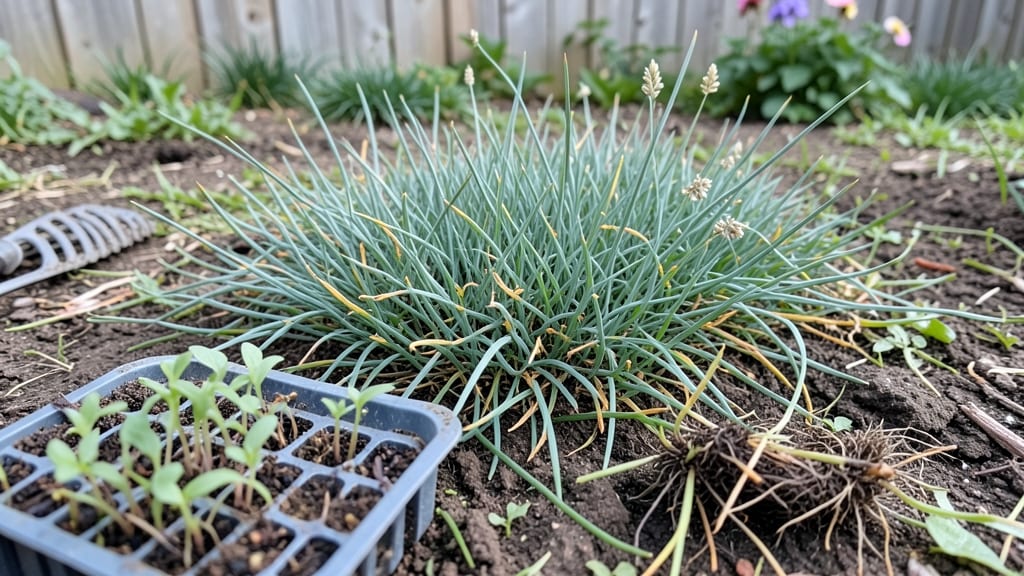
Transform your lawn with these new grass patches, effortlessly filling bare spots into a vibrant green carpet in just 3-4 weeks. I’ve seen bare patches spread like wildfire—until I learned the right mix of soil prep, seed choice, and watering timing.
The secret isn’t just throwing seed down; it’s fixing what’s really stopping grass from taking hold.
Most bald spots start with compacted soil or shade issues, not just poor seed. I’ve fixed patches in full sun and shady corners by loosening the soil first—no fancy tools needed, just a rake and a little elbow grease.
The right seed blend (fast-germinating ryegrass or fescue) makes all the difference, especially when combined with a starter fertilizer.
You’ll end up with a patch so dense it blends right in with your existing lawn. The key is keeping the soil moist for the first 14 days—not soggy, just consistently damp.
By week 3, you’ll see new blades pushing through, and by week 4, it’ll look like your lawn never had a gap.
Works for small bare circles or large sunken areas—just adjust the seed amount. Here’s how to make it happen without waiting for next spring.
Why it happens
Those mysterious new grass patches popping up in your lawn—whether you planted them or not—aren’t just random luck. They’re a direct result of how your lawn’s ecosystem interacts with environmental factors, soil health, and even human activity.
Understanding the why behind these patches is the first step to managing them effectively. Let’s break down the science and uncover the real culprits.
🌱 Poor Soil Conditions & Nutrient Imbalances
Grass thrives when soil is rich in essential nutrients like nitrogen, phosphorus, and potassium. But if your lawn has compacted soil, low organic matter, or uneven pH levels, grass seeds or stolons (horizontal stems) may only sprout in pockets where conditions are ideal. For example:
- Compacted soil restricts root growth, forcing grass to seek out softer, more aerated spots—often near footpaths or pet play areas.
- High clay content can create waterlogged zones where grass struggles, while sandy patches drain too quickly, leaving other areas overly moist (and perfect for new growth).
- pH imbalances (too acidic or alkaline) inhibit grass growth in most areas but may allow hardy weeds or fast-growing grass species to take hold in localized spots.
Actionable fix: Test your soil’s pH and nutrient levels with a DIY kit or lab analysis. Amend compacted areas with compost or gypsum, and consider top-dressing with a balanced fertilizer to even out growth.
💧 Irrigation Quirks & Watering Habits
Water is the lifeblood of grass, but inconsistent irrigation can create micro-climates where grass thrives in patches. Here’s how it happens:
- Uneven watering: If your sprinkler system has leaks, clogged nozzles, or uneven coverage, some areas get drowned while others dry out. Grass seeds or stolons will only germinate where moisture is consistent.
- Shade vs. sun exposure: Patches in shaded areas (like under trees) may stay damp longer, encouraging moss or fine fescue to sprout, while sunny spots dry out faster.
- Overwatering in some zones: Excessive moisture can suffocate grass roots but create ideal conditions for weedy grasses or creeping bentgrass, which spread aggressively in soggy soil.
Actionable fix: Audit your irrigation system for uneven spray patterns and adjust watering schedules based on grass type (cool-season vs. warm-season). Early morning watering (4–8 AM) minimizes evaporation and fungal risks.
🌿 Seed Spread & Natural Propagation
Grass doesn’t always need you to plant it—it self-seeds and spreads through stolons or rhizomes. Here’s how new patches form naturally:
- Stolon growth: Grasses like Kentucky bluegrass and creeping bentgrass spread horizontally via stolons, creating thick clumps where conditions are favorable (e.g., near sidewalks or driveways).
- Rhizome expansion: Bermuda grass and zoysia spread underground via rhizomes, popping up in random patches as they seek out resources.
- Wind or animal dispersal: Grass seeds hitchhike on wind, birds, or even lawn equipment, landing in disturbed soil (like after aeration or foot traffic) and germinating.
Actionable fix: If you’re dealing with unwanted grass spread, mow higher (3–4 inches) to shade out weeds and reduce stolon/rhizome growth. For desired patches, overseed in fall with a high-quality seed mix to encourage even growth.
🔥 Disturbances & Soil Exposure
Bare soil is an invitation for grass seeds to colonize. Common disturbances that trigger new patches include:
- Foot traffic or pet activity: Compacted or trampled areas create bare spots where grass seeds (from neighboring patches or even your lawn) land and germinate.
- Aeration or dethatching: While these improve soil health, they temporarily expose raw soil, giving seeds a chance to take root before the area recovers.
- Erosion or grading: Sloped lawns or recent landscaping can wash away topsoil, leaving patches where grass quickly regrows to stabilize the ground.
- Weed removal: Pulling weeds exposes soil, and if you’ve recently overseeded, new grass may sprout in the disturbed zones.
Actionable fix: After disturbing soil, cover bare spots immediately with a thin layer of compost or straw to protect seeds. For high-traffic areas, consider sodding instead of seeding.
🐛 Pest & Fungal Activity
Sometimes, new grass isn’t the main player—it’s a symptom of underlying issues like pests or fungi that weaken existing grass, allowing hardier varieties to take over. Examples include:
- Grub infestations: Japanese beetle grubs devour roots, killing grass in patches. The bare soil then becomes a breeding ground for annual ryegrass or crabgrass, which sprout aggressively.
- Fungal diseases: Dollar spot or brown patch create dead zones where weedy grasses or clover move in.
- Mole or vole tunnels: These pests aerate soil but also expose seeds to light, triggering germination in unexpected spots.
Actionable fix: Treat pest or fungal issues first with grub control or fungicides, then overseed the repaired areas. For fungal-prone lawns, improve airflow with proper mowing height and avoid evening watering.
How to solve it
New grass patches can transform a sparse lawn into a lush, vibrant space—but only if you address the root cause. Below are practical, step-by-step solutions tailored to the most common culprits behind bare spots.
Follow these fixes to revive your lawn quickly, then use the prevention tips to keep it thriving long-term.
###
🔥 Overwatering or Underwatering
If your grass patches are spongy, yellow, or slow to grow, watering issues are likely the problem. Too much moisture suffocates roots, while too little stresses them.
How to Fix It:
- 💧 Adjust your watering schedule: Water deeply 2-3 times per week (early morning, 6–10 AM) instead of daily shallow sessions. Aim for 1–1.5 inches of water per week, including rainfall.
- 🌱 Improve drainage: If water pools, aerate compacted soil with a core aerator (rent or buy) to let roots breathe. Add 1 inch of compost after aerating to boost absorption.
- 🔪 Fix sprinkler issues: Check for uneven coverage—adjust sprinkler heads or replace broken ones. Use a tuna can test: Place cans around the yard to measure water distribution.
💡 Prevention Tips:
- Install a rain gauge to track moisture levels accurately.
- Choose drought-resistant grass types (e.g., tall fescue or Bermuda) if your area has erratic rainfall.
- Mulch with straw or wood chips to retain soil moisture without over-saturating.
###
🍳 Poor Soil Quality or Compaction
Thin, patchy grass often signals soil that’s too dense, nutrient-poor, or lacking organic matter. Without proper support, new seeds struggle to take root.
How to Fix It:
- 🔍 Test your soil: Use a DIY soil test kit (or send a sample to a local extension office) to check pH and nutrient levels. Aim for a pH of 6.0–7.0 for most grasses.
- 🌿 Amend the soil: Spread 2–3 inches of compost over bare spots, then lightly rake it in. For clay soil, mix in sand or perlite to improve aeration.
- 👨🍳 Aerate aggressively: Rent a core aerator and pass over the entire lawn (or hire a pro for large areas). Follow up with a slow-release fertilizer (like 16-4-8) to feed new growth.
💡 Prevention Tips:
- Walk on wooden planks or a lawn roller to avoid compacting soil further.
- Top-dress annually with compost or peat moss to maintain soil health.
- Plant clover or microclover in thin areas—it adds nitrogen and improves soil structure naturally.
###
🔪 Pests or Disease Attack
Grubs, chinch bugs, or fungal infections (like brown patch or dollar spot) can turn lush grass into a buffet of bare patches overnight. Identify the culprit before treating!
How to Fix It:
| Problem | Signs | Solution |
|---|---|---|
| Grubs | Spongy lawn, moles/skunks digging, wilting grass that pulls up easily. | Apply beneficial nematodes (like Heterorhabditis bacteriophora) or imidacloprid granules in early summer. Water deeply after application. |
| Chinch Bugs | Yellow patches that spread in a "V" shape, especially in dry, sunny spots. | Treat with bifenthrin or carbaryl (follow label rates). Reduce watering temporarily to stress them out. |
| Fungal Disease | Circular brown/white patches, slimy feel, or grass that mats when pulled. | Apply fungicide (e.g., propiconazole) and reduce nitrogen fertilizer. Water in the early morning to allow foliage to dry quickly. |
💡 Prevention Tips:
- Encourage natural predators like birds (install a birdhouse) or ladybugs (plant marigolds).
- Mow high (3–4 inches) to shade out fungal spores.
- Rotate fungicides annually to prevent resistance.
###
⏰ Improper Seed or Sod Installation
Even the best grass won’t thrive if it’s planted at the wrong time, depth, or with poor coverage. Rushing the process leads to uneven, weak patches.
How to Fix It:
- 🌱 Re-seed correctly:
- Choose cool-season grass (like Kentucky bluegrass) for spring/fall planting; warm-season grass (like zoysia) for late spring/summer.
- Spread seed evenly with a broadcast spreader at the rate on the package (typically 5–10 lbs per 1,000 sq ft).
- Cover with ¼-inch of topsoil or starter fertilizer, then lightly water to keep moist (like a damp sponge).
- 🔄 Patch bare spots with sod: If reseeding isn’t an option, lay 2–3 inch-thick sod over the area, water daily for 2 weeks, and avoid walking on it until roots establish (2–3 weeks).
💡 Prevention Tips:
- Test soil 2 weeks before planting to adjust pH/fertility.
- Use a starter fertilizer (high in phosphorus) to boost root growth.
- Mulch new seed with straw to retain moisture and block light from weeds.
Pro Tip: 🌡️ Monitor weather forecasts—ideal germination temps are 60–75°F. If heatwaves hit, shade new seed with burlap or shade cloth until cooler temps return.
Frequently asked questions about reviving grass patches
Why do grass patches appear in some areas but not others?
Uneven growth happens when soil conditions vary—compacted spots block roots, while loose soil lets grass spread. Shade, moisture levels, and soil nutrients also create ideal zones for new growth. Check for foot traffic patterns or irrigation inconsistencies as common culprits.
Can I fix grass patches without reseeding?
Yes! For small patches, aerate the area, apply compost, and use a starter fertilizer. For larger spots, try sodding instead—it establishes faster than seed. Just keep the soil consistently moist for 2 weeks to help roots take hold.
What's the fastest way to see new grass growth?
Use a fast-germinating seed blend (like annual ryegrass) and keep soil moist for 14 days. Water lightly twice daily in the morning to prevent fungal issues. You’ll see sprouts in 7–10 days if conditions are ideal.
How do I stop grass from spreading into unwanted areas?
Mow higher (3–4 inches) to shade out weeds and reduce stolon growth. For stubborn patches, apply a pre-emergent herbicide in spring, then overseed with your desired grass type. Edging tools also help contain grass at property lines.
Is it better to use seed or sod for patches?
Sod covers bare spots instantly and resists weeds, but costs more. Seed is cheaper and better for large areas, though it takes 3–4 weeks to establish. Choose sod for high-traffic zones or seed for gradual, budget-friendly repairs.