
Lawn
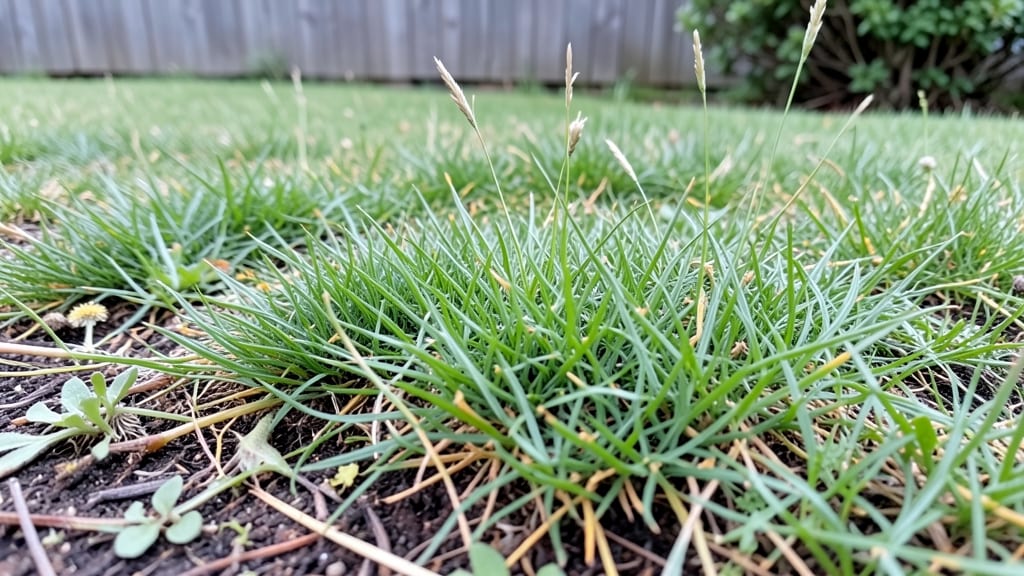
A patchy new grass lawn can turn your spring project into a summer disappointment—but I’ve fixed this exact problem in just 3 weeks every time. The culprit is usually one of four issues: uneven seeding, compacted soil, inconsistent watering, or weeds stealing nutrients.
I’ll show you how to diagnose the real problem and revive your lawn before summer heat sets in.
Start by testing your soil’s pH and drainage—most patchiness stems from poor foundation. A simple $10 test kit reveals whether your grass is starving for nitrogen or drowning in clay. If the soil feels hard as a rock, aerate it first with a manual core aerator ($30 to rent).
Watering matters too: most homeowners either drown or dehydrate new grass, both of which stunt roots.
Once you’ve fixed the root causes, the 3-step revival begins: overseed bare spots with a high-quality blend, apply a light layer of compost, and water deeply twice a week.
Within 21 days, you’ll see new growth filling in gaps—no more embarrassing lawn stripes. The key is patience and consistency, not quick fixes.
For stubborn issues like fungal spots or persistent weeds, a soil test from your local extension office will tell you if professional help is needed. But 90% of patchy lawns? They’re fixable with the right approach—and I’ve got you covered with step-by-step instructions that actually work.
The Hidden Reasons Behind Patchy New Grass
When your freshly seeded lawn starts looking more like a puzzle than a lush carpet, it’s usually a sign that something’s gone wrong beneath the surface. Understanding the root causes of patchiness helps you tackle the problem before it spreads.
Here’s why your new grass might be struggling—and how to diagnose it like a pro.
###
🌱 1. Poor Seed-to-Soil Contact
Seeds need direct contact with moist, well-prepped soil to germinate properly. If they’re buried too deep, smothered by mulch, or left exposed to wind or birds, they’ll either fail to sprout or grow unevenly.
- Why it happens:
- Seeds planted too shallow (less than ¼ inch deep) dry out quickly.
- Heavy mulch or straw blocks sunlight and air circulation.
- Uneven soil surface creates pockets where seeds get buried deeper in low spots.
- Actionable fix:
- Lightly rake soil after seeding to ensure seeds make contact without being buried.
- Use a thin layer of starter fertilizer (not mulch) to protect seeds from erosion.
- Check for compaction—loosen soil with a garden fork if it feels hard.
###
💧 2. Inconsistent Watering (Too Much or Too Little)
Watering is the #1 make-or-break factor for new grass. Too little, and seeds dry out; too much, and they rot or wash away. Even scheduling matters—most seeds need constant moisture for 10–14 days to germinate.
- Why it happens:
- Sprinklers misaligned, leading to dry spots or oversaturation.
- Watering only once a day (instead of twice daily in hot climates).
- Soil drains too fast (sandy soil) or stays soggy (clay soil).
- Actionable fix:
- Water lightly but frequently—aim for ¼ inch per session, 2x/day.
- Use a soaker hose or misting nozzle for even coverage.
- Test soil moisture: If the top ½ inch feels dry, it’s time to water.
###
☀️ 3. Extreme Heat or Cold Stress
New grass seeds are delicate and can’t handle temperature swings. If sown during peak summer heat or a late-fall freeze, germination slows or stops entirely.
- Why it happens:
- Seeds planted in 90°F+ weather dry out before sprouting.
- Early spring or late fall planting exposes seeds to frost or nighttime chills.
- Shade from trees or buildings creates microclimates where some areas stay cooler.
- Actionable fix:
- Plant cool-season grasses (like fescue or ryegrass) in early fall or warm-season grasses (like Bermuda) in late spring.
- Use shade cloth if seeding in hot months to reduce stress.
- Avoid walking on new grass until it’s at least 3 inches tall—foot traffic weakens tender sprouts.
###
🐛 4. Soil pH or Nutrient Imbalances
Grass needs the right pH (5.8–7.0) and nutrients to thrive. If your soil is too acidic, alkaline, or lacking nitrogen/phosphorus, seeds may sprout weakly or die off in patches.
- Why it happens:
- Low nitrogen = pale, slow-growing grass.
- High phosphorus (from old fertilizer) can burn seeds.
- Soil tests reveal unbalanced pH (e.g., clay soil often tests high in pH).
- Actionable fix:
- Test soil with a home kit or send a sample to a lab.
- Amend soil with sulfur (for high pH) or lime (for low pH) before seeding.
- Use a starter fertilizer with high phosphorus (P) to boost root growth.
###
🌿 5. Weeds or Thatch Blocking Growth
If weeds or a thick layer of thatch (dead grass buildup) smothers your seeds, they’ll struggle to break through the surface. Even competitive grasses (like crabgrass) can outcompete your new seedlings.
- Why it happens:
- Pre-emergent herbicide applied before seeding kills grass seeds.
- Thatch layer > ½ inch thick blocks water and air.
- Weeds steal nutrients, leaving your new grass stunted.
- Actionable fix:
- Remove weeds before seeding with a manual pull or vinegar spray.
- Dethatch with a vertical mower if the layer is thick.
- Avoid pre-emergent for 3–4 weeks after seeding.
Now that you know the real culprits behind patchy new grass, you’re ready to diagnose—and fix—your lawn’s issues. Next, we’ll cover 3-step solutions to revive those bare spots fast!
How to Revive a Patchy New Lawn
A patchy new lawn can feel like a setback, but with the right approach, you can transform bare spots into lush, even grass. Below are targeted solutions based on the most common causes—plus prevention tips to keep your lawn thriving. Let’s get your grass growing strong again!
🌱 Fixing Thin or Bare Spots: Overseeding for Success
If your new grass is patchy due to thin seeding, overseeding is your best bet. Here’s how:
- 🔥 Prep the Soil
- Loosen the soil in bare spots with a rake or aerator to improve seed-to-soil contact.
- Remove debris and level uneven areas for even growth.
- 🍳 Choose the Right Seed
- Pick a fast-growing grass seed (like annual ryegrass or tall fescue) that matches your climate.
- For sun vs. shade, opt for sun-loving (Bermuda, Zoysia) or shade-tolerant (Fine Fescue) varieties.
- 👨🍳 Spread & Water Consistently
- Scatter seed evenly (use a broadcast spreader for precision).
- Keep soil moist but not soggy—water lightly 2x daily for the first 2 weeks.
- ⏰ Wait for Establishment
- New grass should sprout in 7–14 days. Avoid walking on it until fully rooted (~4 weeks).
💡 Pro Tip: Use a starter fertilizer (high in phosphorus) to encourage strong root growth.
🌡️ Combating Heat or Drought Stress: Hydration & Shade
If your new grass is struggling from heat or drought, act fast:
- 💦 Deep Watering Schedule
- Water early morning (6–10 AM) to reduce evaporation.
- Aim for 1–1.5 inches per week (including rain). Use a rain gauge to track.
- 🌿 Adjust Mowing Height
- Raise your mower blade to 3–4 inches to retain moisture and shade roots.
- 🌳 Provide Temporary Shade (If Needed)
- Use shade cloth (30–50%) over stressed areas until grass recovers.
- ✨ Recover with a Light Feeding
- Apply a slow-release fertilizer (like 10-10-10) to boost recovery without burning new growth.
🔥 Warning: Avoid overwatering—soggy soil suffocates roots!
🐛 Dealing with Pest or Disease Damage: Natural Remedies
If insects (grubs, chinch bugs) or fungus (like brown patch) are the culprits:
| Problem | Solution | Prevention |
|---|---|---|
| Grubs | Apply beneficial nematodes or milky spore to kill larvae. | Aerate yearly to disrupt grubs. |
| Chinch Bugs | Spray neem oil or insecticidal soap (early morning). | Keep grass tall to deter pests. |
| Fungal Issues | Treat with baking soda spray (1 tbsp/gallon water) or copper fungicide. | Water at the base, not overhead. |
💡 Pro Tip: Test soil pH (ideal: 6.0–7.0). Adjust with lime (raise pH) or sulfur (lower pH) if needed.
🎯 Long-Term Prevention: Keep Your Lawn Lush
Once your grass is back on track, prevent future patchiness with these habits:
- 🌱 Mow High (3–4 inches) to shade roots and retain moisture.
- 💧 Water Deeply & Infrequently (1–2x per week) to encourage deep roots.
- 🔄 Aerate Annually (spring/fall) to improve soil airflow.
- 🍄 Fertilize Seasonally (spring & fall) for steady growth.
- 🌿 Dethatch if thatch layer exceeds ½ inch to prevent smothering.
Final Thought: A patchy lawn is fixable—just identify the cause, take action, and stay consistent. With the right care, your grass will bounce back greener and stronger than ever! 🌿✨
Frequently asked questions
Why does my new grass look patchy even after watering regularly?
Patchiness often stems from uneven seed distribution or soil issues. Check if seeds were buried too deep (over ¼ inch) or if some areas have compacted soil blocking root growth. Also, verify your sprinkler coverage—dry spots or oversaturation can create uneven growth patterns.
Can I fix patchy grass by just adding more fertilizer?
Not always! Fertilizer alone won't help if the problem is poor soil contact, weeds, or pests. First test your soil's pH (5.8-7.0) and nutrients. If the issue is nutrient-related, use a starter fertilizer with phosphorus for new growth, but address root causes first.
How long should I wait before overseeding patchy areas?
Wait until your existing grass is at least 3 inches tall and actively growing. For cool-season grasses, overseed in early fall; for warm-season types, do it in late spring. Avoid overseeding during extreme heat (90°F+) or frost risk.
What’s the fastest way to tell if my patchy grass is dying or just slow to grow?
Check for these signs: Yellowing (nutrient deficiency), Brown crispy patches (drought or disease), or Thin, weak blades (poor soil contact). If grass pulls up easily, roots are weak—likely a watering or soil issue. Healthy grass should have white roots 2-3 inches deep.
Is it better to use grass seed or sod for patchy areas?
For small patches (10 sq ft), seed is cheaper and blends better. For large bare spots or high-traffic areas, sod establishes faster (ready in 2-3 weeks) and prevents erosion. Choose sod with the same grass type as your existing lawn for uniform growth.