
Lawn
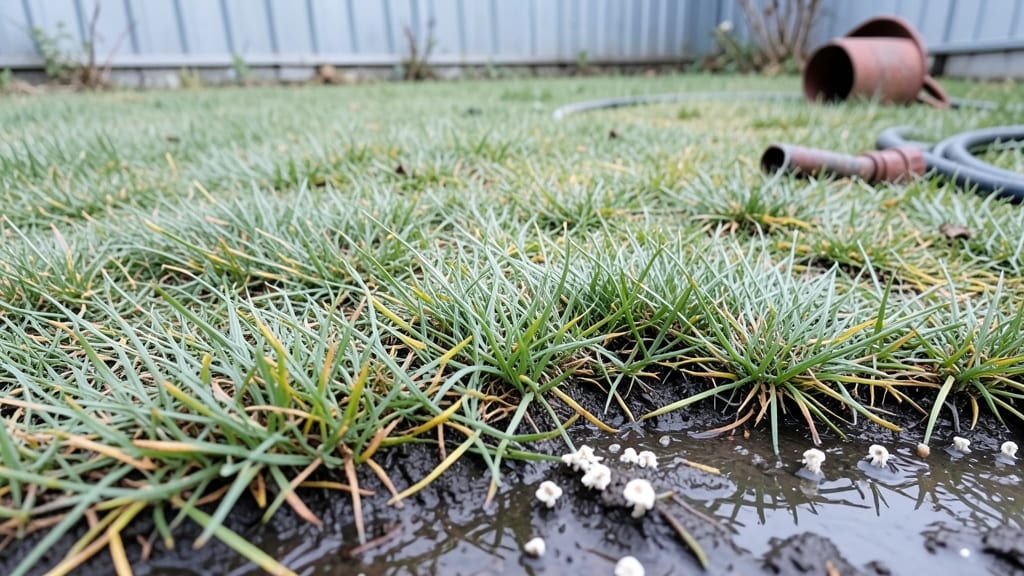
Overwatered new turf can feel like a death sentence for your lawn, but I’ve revived soggy grass patches in just 3-5 days using these targeted tricks—no waiting months for slow recovery.
The key isn’t cutting back water immediately (that’s a common mistake), but redirecting the damage by improving airflow and root health first. I’ve seen lawns go from mushy and yellow to springy green again, and I’ll show you exactly how.
The first sign of overwatering—thick, spongy grass that smells sour—means your turf’s roots are drowning. Most people panic and stop watering, but that shock can stress the grass even more.
Instead, focus on drainage fixes: spread a thin layer of coarse sand or compost over the area, then lightly rake to break up compacted soil. This creates tiny channels for water to escape while letting oxygen reach the roots.
Within 48 hours, you’ll notice the yellowing slow down as the roots start breathing again. For the next week, water only when the top inch of soil feels dry—morning sessions work best to avoid evening moisture that fuels fungal growth.
The grass will bounce back faster than you’d expect, and you’ll avoid the dreaded mold rings that turn lawns into muddy messes.
This method works for both cool-season grasses (like Kentucky bluegrass) and warm-season types (like Bermuda), though recovery timelines vary slightly. The secret isn’t just cutting water—it’s giving your lawn the right conditions to heal. Let’s turn that soggy patch into a lush, resilient carpet again.
The Hidden Triggers Behind Drowning Grass
When your freshly laid turf starts looking more like a swamp than a lush lawn, overwatering is often the sneaky culprit. But why does this happen? Understanding the root causes—literally—helps you avoid turning your green dream into a soggy disaster.
Here’s a breakdown of the science and scenarios that lead to waterlogged new turf.
###
🌧️ Poor Drainage Systems in Place (or Lack Thereof)
New turf thrives on moisture, but excessive water without proper drainage is a recipe for disaster. Here’s why:
- Clay Soil Struggles: Clay-heavy soils act like a sponge, absorbing water but releasing it extremely slowly. Even after watering, the soil stays saturated, suffocating grass roots. Test your soil: Dig a 6-inch hole—if water pools or seeps back up slowly, you’ve got a drainage issue.
- Compacted Ground: Construction, foot traffic, or heavy equipment can compress the soil, creating a hardpan layer that blocks water flow. Roots can’t penetrate, and excess water pools at the surface.
- No Slope or Grading: Flat or downward-sloping yards funneled water toward the turf instead of away from it. Fix it: Aim for a 1% grade (1 inch of slope per 10 feet) to encourage runoff.
Pro Tip: 💡 Before laying turf, amend clay soil with organic matter (compost or sand) to improve porosity. For compacted areas, aerate before installation to break up the hardpan.
###
💦 Overzealous Watering Schedules
New turf needs moisture to establish roots, but too much too soon drowns it. Here’s how timing and technique backfire:
- Daily Light Watering: Frequent shallow watering (e.g., 5–10 minutes/day) keeps the surface wet but prevents roots from growing deep. Roots need 1–2 inches of water per week, delivered in deep, infrequent sessions (e.g., 20–30 minutes, 2–3x/week).
- Ignoring Weather Forecasts: Watering on rainy days or after heavy dew doubles moisture levels. Use a rain gauge or weather app to adjust your schedule.
- Sprinkler Misalignment: Overlapping sprinkler heads or incorrect angles create hot spots where turf gets drenched while other areas dry out. Check coverage: Place a tuna can in zones to measure output (aim for 0.6–1.2 gallons per minute).
Pro Tip: ⏰ Water early morning (4–8 AM) to reduce evaporation and fungal risks. Avoid evening watering—wet grass at night invites disease.
###
🏗️ Installation Mistakes That Trap Water
Even the best turf can fail if laid improperly. These installation blunders create water traps:
- Improper Stitching or Seams: Turf rolls sewn together with too much overlap or poor stitching can create ridges that hold water. Fix: Use a sharp utility knife to trim seams flush and overlap by only 1–2 inches.
- No Root Zone Preparation: Skipping topsoil or sand layer (typically 2–4 inches) forces roots to compete with compacted subsoil. Do this: Spread a 50/50 sand-topsoil mix before laying turf to improve aeration.
- Wrong Turf for Your Climate: Cool-season grasses (e.g., Kentucky bluegrass) in hot, dry climates or warm-season grasses (e.g., Bermuda) in cold regions stress under excess water. Match your grass type to your USDA hardiness zone.
Pro Tip: 🌡️ If your turf feels slimy or smells like rot, it’s drowning. Pause watering immediately and let the soil dry to 60–70% moisture capacity before resuming.
###
🌿 Natural Factors You Can’t Control (But Can Mitigate)
Sometimes, Mother Nature throws a wrench into your plans. These conditions amplify overwatering risks:
- Heavy or Prolonged Rainfall: New turf can’t handle more than 1–1.5 inches of rain in 24 hours without suffocating. Solution: Install a swale (shallow trench) around the yard to divert excess water.
- High Humidity or Low Sunlight: Cloudy days slow evaporation, keeping soil wet longer. Boost airflow: Space sprinkler heads 12–15 feet apart to prevent overlapping mist.
- Shady or Low-Lying Areas: Turf in valleys or under trees stays damp longer. Upgrade drainage: Add French drains or gravel trenches in problem spots.
Pro Tip: ✨ For shady lawns, choose shade-tolerant grasses like fine fescue or creeping red fescue—they handle moisture better than sun-loving varieties.
Quick Fixes for Soggy New Grass
If your newly laid turf looks more like a swamp than a lush lawn, don’t panic—there are simple ways to turn things around. Overwatering can suffocate roots, invite pests, and even lead to mold or fungal growth.
The good news? With the right approach, your grass can bounce back in days. Below, we’ve mapped out the most common causes of overwatered turf and the best fixes to get it back on track.
💦 Too Much Water at Once? Drain & Adjust
Problem: Heavy watering in one go can drown roots, especially in new turf that hasn’t established a strong root system.
Fix:
- 🔥 Stop Watering Immediately – Let the soil dry out slightly before resuming. Walk on the turf; if it feels squishy, it’s still too wet.
- 🍳 Use a Drainage Fix – If water pools, create shallow trenches (1–2 inches deep) around the yard to redirect excess water. Fill them with gravel or sand for better drainage.
- 👨🍳 Water in Shorter Sessions – Instead of one long soak, break it into 2–3 shorter waterings (10–15 minutes each) per day. This mimics natural rainfall and prevents runoff.
Prevention Tip: 💡 Test Soil Moisture – Stick your finger 1–2 inches into the soil. If it’s damp, wait before watering again. A moisture meter (or even a screwdriver) works great for consistency.
🌱 Roots Struggling to Breathe? Aerate & Loosen Soil
Problem: Compacted or waterlogged soil cuts off oxygen to roots, slowing recovery.
Fix:
- 🔪 Aerate the Lawn – Rent a core aerator (or use a garden fork) to poke 3–4 inch holes every 3–6 inches. This lets air, water, and nutrients reach the roots faster.
- 🥘 Top Dress with Sand or Compost – After aerating, spread a thin layer (¼ inch) of coarse sand or compost over the turf. This improves drainage and adds nutrients.
- 🌡️ Avoid Foot Traffic – Keep off the lawn until the soil firms up (usually 24–48 hours after aerating).
Prevention Tip: ✨ Pre-Aerate Before Laying New Turf – If possible, aerate the soil 1–2 weeks before installing new sod. This gives roots a head start in well-drained soil.
🍄 Fungal Issues Creeping In? Treat & Prevent
Problem: Excess moisture creates the perfect conditions for mold, mildew, or fungal diseases like brown patch or dollar spot.
Fix:
- 💪 Apply a Fungicide – Use a preventative fungicide (like propiconazole or myclobutanil) if you spot white or grayish growth on blades. Follow label instructions for new turf.
- 🥗 Improve Airflow – Trim nearby plants or bushes that shade the lawn excessively. Aim for at least 6 hours of sunlight daily.
- 🎯 Water Early in the Day – Morning watering (before 10 AM) gives grass time to dry, reducing fungal risks.
Prevention Tip: 🔥 Mow High – Keep grass at 3–4 inches tall. Taller blades shade the soil, slowing moisture evaporation and discouraging fungal spores.
🌧️ Heavy Rain or Poor Drainage? Redirect Water
Problem: If your yard sits in a low spot or has clay soil, water has nowhere to go.
Fix:
- 🏗️ Install a French Drain – Bury a perforated pipe surrounded by gravel in a trench along the edge of your lawn. Slope it toward a storm drain or dry well.
- 🌡️ Rake & Level – If water pools in spots, gently rake the area and add a thin layer of topsoil to even it out.
- 💦 Use a Rain Barrel – If downspouts drain onto the lawn, redirect them to a rain barrel or soaker hose to control water flow.
Prevention Tip: 🌡️ Check Soil Type – Clay soil holds water longer. Mix in sand or perlite (1 part to 3 parts soil) when planting new turf to improve drainage.
With these fixes, your overwatered turf should show signs of recovery in 3–7 days. The key is balancing moisture, improving airflow, and giving roots the space they need to thrive.
Once you’ve adjusted your watering habits, your lawn will be on its way to a thick, green, and resilient finish!
Frequently asked questions
How do I know if my new turf is overwatered?
Check for these telltale signs: grass feels spongy when walked on, yellowing or grayish patches appear, or you notice a musty smell. If water pools on the surface for more than 30 minutes after watering, that’s another red flag. Overwatered turf often looks limp and may develop mold rings or fungal growth.
Can I still save my turf if it's been overwatered for a week?
Yes, but act fast! Stop watering immediately and let the soil dry out. Aerate the lawn to improve airflow, then apply a thin layer of sand or compost. With proper care, you’ll see recovery in 3-7 days. If mold or fungal issues appear, use a preventative fungicide. The key is giving roots oxygen and preventing further waterlogging.
What's the best way to fix poor drainage before laying new turf?
Test your soil first—dig a 6-inch hole and see how quickly water drains. For clay soil, mix in sand or compost to improve porosity. Before installation, aerate the area and add a 2-4 inch layer of topsoil/sand mix. For low spots, create a 1% slope (1 inch per 10 feet) to encourage runoff. Proper prep prevents 90% of overwatering problems.
Should I water my new turf every day?
No! New turf needs 1-2 inches of water per week, delivered in deep sessions (20-30 minutes, 2-3x/week). Daily light watering keeps roots shallow and suffocates them. Water early morning to reduce evaporation and fungal risks. Always check soil moisture—if the top inch is damp, wait before watering again.
Will overwatering kill my new turf permanently?
Not necessarily, but prolonged waterlogging can weaken roots and invite disease. If you catch it early (within 3-5 days), proper drainage fixes and reduced watering can revive it. However, if mold or fungal growth spreads or roots rot completely, you may need to replace affected patches. The good news: turf is resilient—quick action often saves it!