
Plants
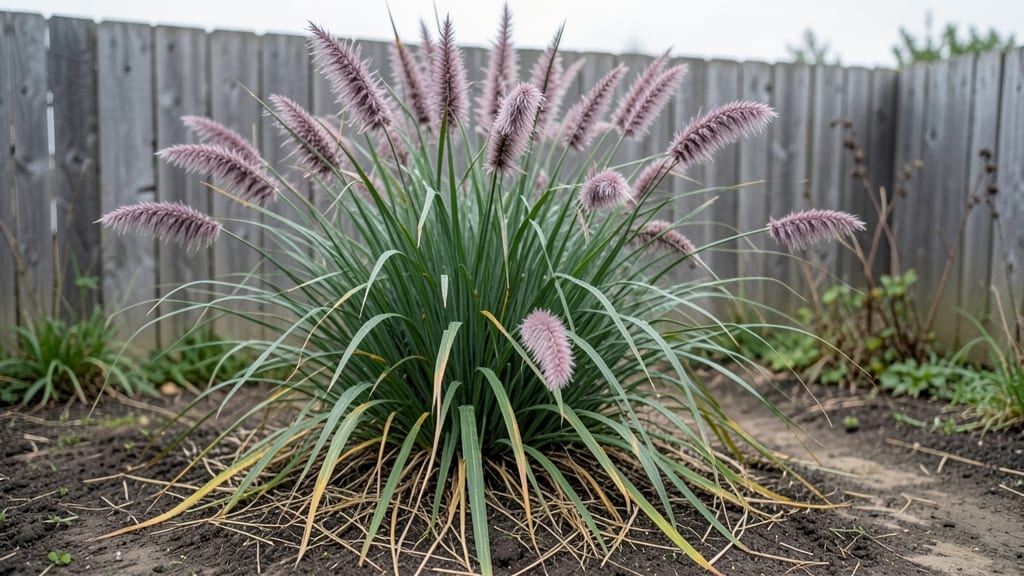
Purple pampas grass 🌿 transforms any garden into a showstopper with its dramatic, feathery plumes that sway in the breeze.
Imagine a plant that thrives year-round with stunning purple plumes while demanding almost no maintenance—pampas grass delivers exactly that. But before planting, uncover the secrets to maximizing its dramatic beauty while avoiding common pitfalls.
This tall ornamental grass thrives in USDA Zone 6a and beyond, making it perfect for borders, focal points, or even as a privacy screen. Its ruffled purple blooms add texture and movement, while its low-maintenance nature makes it ideal for busy gardeners.
In this guide, I’ll show you how to pair it with complementary plants, style it in modern or naturalistic designs, and keep it looking its best with minimal effort.
Why purple pampas grass stands out in landscaping designs
Purple pampas grass (Cortaderia selloana) isn’t just another ornamental plant—it’s a year-round landscape superstar that adds dramatic texture and color with minimal effort. Its feathery purple plumes create movement and contrast beautifully against greenery, blues, and silvers, making it a favorite for modern and naturalistic designs.
What sets it apart is its seasonal interest: while many plants fade in winter, pampas grass keeps its structural appeal year-round. The drought-tolerant nature means it thrives in xeric landscapes where other plants struggle, and its low-maintenance growth habit makes it perfect for busy gardeners.
Here’s how its unique purple hues and architectural form elevate any garden design, along with the best ways to showcase it:
🌿
One of the biggest advantages of purple pampas grass is its versatility in placement. It thrives in full sun (6+ hours daily) and tolerates poor, dry soils, making it ideal for slopes, borders, or mass plantings.
For the best results, plant it in well-draining soil—this prevents root rot and ensures those showy plumes stay vibrant.
In modern gardens, I often use it as a vertical accent near patios or walkways, where its tall, graceful form adds height without overwhelming smaller plants. Pair it with succulents or lavender for a Mediterranean vibe, or combine it with black-eyed Susans for a wildflower meadow look.
For naturalistic designs, let it grow wild in prairie-style plantings alongside coneflowers and grasses. The purple plumes will echo the colors of wildflowers while providing winter structure when other plants fade. Just be mindful of its aggressive spreading—contain it with root barriers if needed.
Its drought tolerance makes it perfect for water-wise gardens, reducing irrigation needs while still delivering striking visuals. Once established, it requires minimal watering, making it a sustainable choice for eco-conscious landscapers. Just remember: young plants need regular watering to establish roots.
If you’re designing for seasonal color, time your planting to see the plumes emerge in late summerbloom through fall and often persist into early winter, providing extended interest.
To prolong their life, cut back old plumes in late winter—this encourages fresh growth and keeps the plant looking neat and tidy.
For urban gardens with limited space, opt for the dwarf varieties (3–5 feet tall). These still deliver the purple drama but fit better in small yards or containers. Just ensure the container has drainage holes and is at least 18 inches deep to accommodate the deep root system.
Finally, purple pampas grass isn’t just functional—it’s culturally symbolic. In many cultures, it represents longevity and resilience, making it a meaningful addition to garden meditations or memorial spaces.
Its elegant, flowing form also adds a sense of movement to still landscapes, creating a dynamic focal point that’s hard to ignore.
🌷
Planting and care tips for vibrant purple pampas grass growth
Purple pampas grass (Cortaderia selloana) thrives with minimal fuss but rewards you with year-round visual drama. The key to vibrant growth starts with proper soil preparation—this plant despises soggy roots but loves well-draining, slightly alkaline soil.
Amend heavy clay with compost and coarse sand to create an ideal mix. Planting in full sun (6+ hours daily) ensures those iconic purple plumes stay lush and upright.
When selecting a planting site, prioritize open spaces where your pampas grass can reach its 6-15 ft mature height without obstruction. Its aggressive root system means spacing matters—plant 10-15 feet apart to prevent crowding. For container growing, use large pots (24"+ diameter) with drainage holes to mimic ground conditions.
⚠️ Critical Pruning Warning
Never prune in fall or winter! Cutting back at these times signals your pampas grass to stop growing when it needs winter protection. Instead, wait until late winter (just before new growth) to trim dead foliage 3-4 inches above ground. This encourages vigorous spring regrowth and prevents disease from trapped moisture.
Watering is simple once established, but young plants need consistent moisture. Aim for 1-1.5 inches weekly during the first growing season, then reduce to deep watering every 2-3 weeks once roots are deep.
Overwatering causes root rot, while underwatering leads to brown, crispy plumes. Mulch with 2-3 inches of organic mulch to retain moisture and suppress weeds.
Fertilizing is optional but can boost plume intensity. Apply a balanced 10-10-10 fertilizer in early spring (just as new shoots emerge) using 1 cup per 10 sq ft.
Skip fall fertilization—your plant enters dormancy and doesn't need extra nutrients. For container-grown pampas grass, use half the recommended dose to avoid salt buildup.
Reviving mature plants is easier than you think. If your pampas grass looks leggy or sparse, it’s time for a rejuvenation prune. Cut back half the plant in early spring—this stimulates new growth from the base.
For drought-stressed plants, give them a deep soak and trim any dead fronds. Avoid heavy pruning in hot summer months to prevent stress.
Purple pampas grass is drought-tolerant once established, making it perfect for xeriscaping. However, it still appreciates occasional deep watering during prolonged dry spells. Pair it with lavender, yucca, or ornamental grasses for a low-maintenance, high-impact garden scheme.
With these care tips, your pampas grass will flourish for decades with minimal effort. 🌿