
Plants
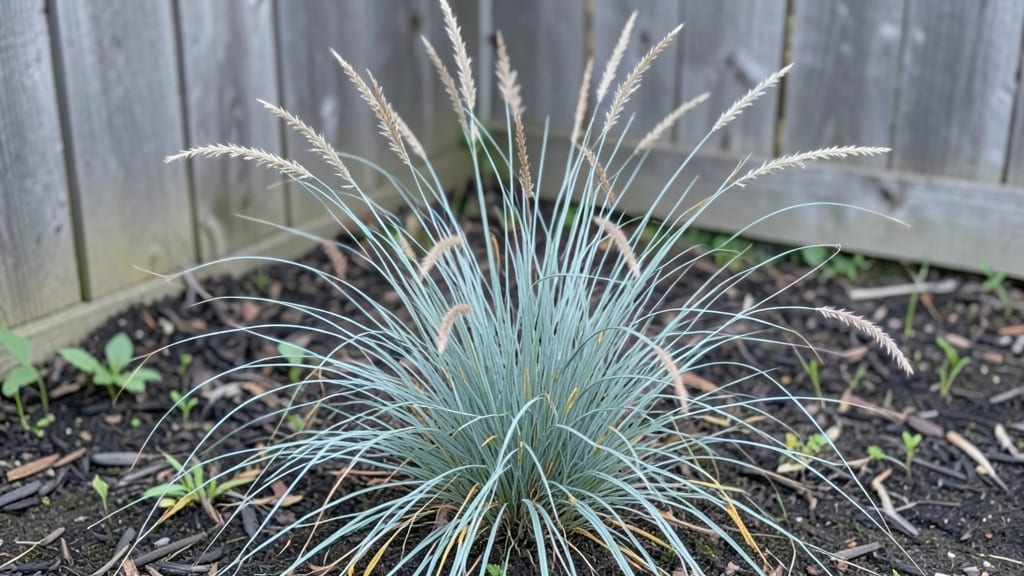
Growing ponytail Mexican Feather Grass 🌿 is like adding a zero-effort masterpiece to your garden—it thrives in heat, ignores drought, and still looks stunning after you forget to water it for weeks.
Picture this: a drought-resistant plant that flutters in the breeze year-round, whether you’re in Zone 7 or Zone 11, without fussing over deadheading or pruning. That’s the magic of this ornamental grass, which turns even the most boring corner into a textured, airy focal point.
But here’s the catch—most people plant it wrong, drowning it in love (or water) and watching it struggle. I’ve spent years perfecting the care routine, from full-sun placement to the bi-weekly soak that keeps it lush without the rot risk.
In this guide, I’ll walk you through the easiest planting tricks, how to spot overwatering before it’s too late, and why pairing it with succulents creates a low-maintenance dream garden. No green thumb required.
Why ponytail mexican feather grass stands out for low-maintenance landscaping
When I think of low-maintenance landscaping, my mind immediately goes to Ponytail Mexican Feather Grass (Nassella tenuissima), a plant that seems almost too good to be true.
This ornamental grass thrives in drought conditions, survives in USDA Zones 7-11, and delivers year-round texture without demanding constant attention.
Unlike traditional grasses that require mowing or high-water needs, this plant grows in clumps with feathery plumes that sway gracefully in the breeze—perfect for modern gardens where beauty meets practicality.
The real magic lies in its adaptability. Whether you're in a hot desert climate or a coastal region with mild winters, this grass handles it all. It’s also deer-resistant, which is a huge plus if you live in areas where wildlife loves to snack on your plants.
For gardeners who want high visual impact with minimal effort, this is the ultimate solution.
But what truly sets it apart is its unique growth habit. Unlike other ornamental grasses that spread aggressively, Ponytail Mexican Feather Grass grows in tight, upright clumps, making it ideal for containers, borders, or mixed plantings.
Its silvery-blue foliage and airy plumes create a stunning contrast against darker plants, while its drought tolerance means you’ll never have to worry about watering it too much.
Here’s how it compares to other popular low-maintenance plants in key categories:
| Feature | Ponytail Mexican Feather Grass | Ornamental Grass (e.g., Maiden Grass) | Succulents (e.g., Agave) |
|---|---|---|---|
| Drought Tolerance | Excellent (bi-weekly watering) | Moderate (weekly watering) | Very High (monthly watering) |
| Hardiness Zones | 7-11 | 5-9 | 4-11 (varies by species) |
| Growth Habit | Upright clumps (1-3 ft) | Spreading or arching (2-6 ft) | Rosette-shaped (1-10 ft) |
| Maintenance Level | Very Low (prune dead foliage) | Low (annual pruning) | Very Low (minimal care) |
| Ornamental Value | Feathery plumes, silvery-blue foliage | Arching plumes, seasonal color | Bold shapes, spiky textures |
| Best For | Containers, borders, xeriscapes | Perennial beds, water features | Rock gardens, desert landscapes |
One of the biggest advantages of Ponytail Mexican Feather Grass is its versatility in design. Unlike succulents, which can look too stark in some settings, or traditional grasses that may spread uncontrollably, this plant strikes a perfect balance.
It works beautifully in containers on patios, as a border along walkways, or even in xeriscapes where water conservation is key. Plus, its fine-textured plumes add movement and softness to gardens that might otherwise feel too rigid.
For those in colder climates (Zones 7-8), this grass is perennial and will regrow each spring, provided it’s planted in well-draining soil. In warmer zones (9-11), it thrives year-round with almost no care—just occasional pruning to remove dead foliage.
This makes it ideal for busy gardeners or anyone looking to create a low-water, high-impact garden without sacrificing aesthetics.
Another standout feature is its resilience. While other ornamental grasses might struggle in poor soil conditions or high heat, Ponytail Mexican Feather Grass bounces back quickly. Even if you forget to water it for a few weeks, it’ll still look lush and healthy once the rain returns.
This level of forgiveness is rare in the plant world and makes it a top choice for modern, sustainable gardens.
If you’re looking for a plant that delivers drama with minimal effort, this is it. Whether you’re designing a minimalist Zen garden or a wild, textured landscape, Ponytail Mexican Feather Grass will elevate your space without the hassle.
And the best part? You’ll spend less time maintaining it and more time enjoying the results.
For gardeners who love succulents and cacti, this grass pairs exceptionally well, creating a desert-inspired oasis that’s both stylish and sustainable. Try planting it alongside agave, yucca
Planting and care tips for lush ponytail mexican feather grass growth
Ponytail Mexican Feather Grass (Nassella tenuissima) is a dream for busy gardeners—its silvery-blue plumes sway effortlessly in the breeze while demanding minimal care. To unlock its full ornamental potential, start with the right soil preparation and sunlight placement.
This grass thrives in well-draining soil with a gritty texture, mimicking its native desert conditions. Amend heavy clay with coarse sand or perlite to prevent root rot, which is the #1 killer of this drought-loving beauty.
When selecting a planting spot, prioritize full sun exposure (6+ hours daily) for the most vibrant plumes. While it tolerates partial shade, you’ll sacrifice that signature feathery texture.
In my Zone 9 garden, I planted mine near a south-facing wall where it basked in afternoon sun—now it’s the star of my xeriscape bed. The key is replicating its natural habitat: hot, dry, and sunny.
⚠️⚠️ Critical Mistake: Overwatering Will Ruin Your Grass
Ponytail Mexican Feather Grass stores water in its swollen base (like a ponytail!), making it extremely sensitive to soggy soil. Overwatering causes root rot, turning those silvery plumes brown and mushy. Water deeply but infrequently—once every 2-3 weeks in summer, less in winter. Always check soil moisture by sticking your finger 2 inches down; if it's dry, water. If damp, wait.
Establishing a proper watering schedule is your next priority. Unlike thirsty lawns, this grass thrives on neglect. In spring and fall, water once every 7-10 days with 1-2 gallons per mature plant. During summer heatwaves, stretch the interval to bi-weekly—your grass will thank you with lush, airy plumes.
I use a soaker hose set on low for 10 minutes to deliver water directly to the roots without wetting the foliage, which can promote fungal issues.
Seasonal care keeps your Ponytail Mexican Feather Grass looking its best year-round. In late winter, trim any brown or woody stems at the base with clean, sharp pruners to encourage fresh growth. Avoid heavy pruning—this grass has a delicate structure.
In early spring, apply a light fertilizer (5-10-10) only if your soil is nutrient-poor. I skip this step in my sandy soil, as the grass seems perfectly happy without it. The real secret? Mulching with 1-2 inches of gravel or coarse bark to retain moisture and suppress weeds.
To maximize its ornamental appeal, group plants in odd-numbered clusters (3, 5, or 7) for a natural, flowing look. Pair it with succulents like sedum or agave to create a desert-inspired oasis. In containers, use a mix of cactus soil and perlite for drainage.
Pro tip: Elevate pots to improve airflow and prevent moisture buildup. My favorite design trick? Planting it alongside purple fountain grass for a striking color contrast that lasts all season.
Watch for pests like spider mites or diseases from overwatering, but don’t stress—this grass is naturally resilient. A strong spray of water usually clears mites, and adjusting your watering habits prevents most diseases.
With the right soil, sunlight, and watering routine, your Ponytail Mexican Feather Grass will reward you with year-round texture that’s as tough as it is beautiful. 🌿