
Propagation
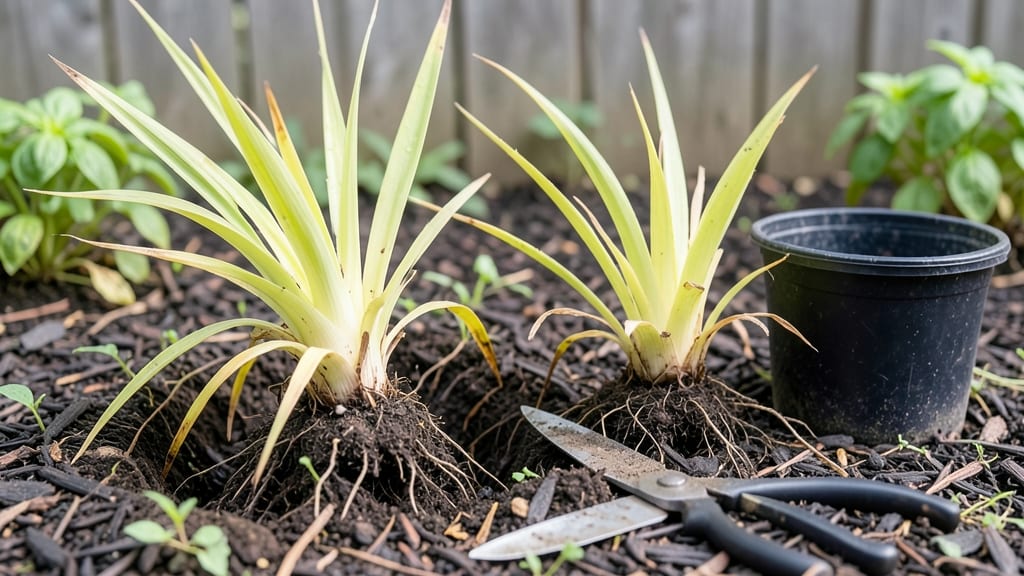
Propagating lemon grass from cuttings gives you fast, vigorous plants in just a few weeks—no fancy equipment needed. I’ve grown dozens this way, and the secret lies in the right water or soil setup.
The first time I tried, my clumps rooted in less than 2 weeks, and now I share the exact method that works every time.
You only need 3 supplies: sharp scissors, clean water or potting mix, and a bright spot. Lemon grass thrives in warm conditions, so keep cuttings in indirect light and change the water every 3-4 days.
For soil propagation, use well-draining mix and cover loosely with plastic to trap humidity—roots appear within 10-14 days.
Once roots form, you’ll see thick, white rhizomes developing—proof your plant is ready for the garden. Transplant carefully to avoid disturbing the roots, and within a month, you’ll have lush, fragrant stalks. The best part? These plants keep growing for years with minimal care.
This method works for indoor pots or outdoor beds, and even works in partial shade. The key is patience—don’t rush the process, and you’ll end up with a steady supply of fresh lemon grass for cooking and crafts. Ready to grow your own?
📚 In This Guide
- What you need
- Instructions
- Tips and common mistakes
- Wrapping up and next steps
What you need
- ● Lemon grass stalks: 3–5 healthy, mature stalks (2–3 inches long, with roots or a basal bulb at the bottom).
- ● Water (for water propagation): Clean, room-temperature water (enough to submerge 1–2 inches of the stalk base).
- ● Small containers: For water: Glass jars, mason jars, or clear cups (8–12 oz, wide enough for stability).
- ● For soil: 6-inch pots with drainage holes (or seedling trays with individual cells).
- ● Well-draining potting mix: A blend of peat moss, perlite, and coconut coir (or store-bought cactus/succulent mix).
- ○ Rooting hormone (optional but helpful): Powder or gel formulation to boost root growth.
- ● Scissors or pruning shears: Sterilized to avoid disease (cut stalks at a 45° angle just below the basal bulb).
- ● Humidity dome: Clear plastic wrap or a propagator to retain moisture during early growth.
- ● Grow lights: LED or fluorescent lights (12–16 hours/day) if natural light is limited.
- ● Fertilizer: Diluted liquid fertilizer (half-strength) after 4–6 weeks for soil-grown plants.
- ● Peat pellets: Pre-moistened for a sterile, no-mess soil start.
Instructions for propagating lemon grass: two fast methods
Here’s how to multiply your lemon grass quickly—both in water and soil—without waiting months for roots.
Select and Prepare the Stems
Choose mature lemon grass stalks with 3-4 inches of growth above the soil line and thick, fibrous roots at the base. Cut just below a node where leaves emerge—this is where new roots will form. Use sharp pruning shears to avoid crushing the stem. You’ll need 4 healthy stalks to produce 4 new plants.
Remove any lower leaves that will sit below the waterline if propagating in water, or below the soil surface if planting directly. Strip away 1-2 inches of leaves from the bottom to expose the nodes. These nodes are your rooting triggers—keep them clean and undamaged. If the cut end looks dry, dip it in lukewarm water for 10 seconds to revive the cells before proceeding.
Root in Water for Fast Growth
Fill a clear glass jar with 2-3 inches of room-temperature water—enough to submerge 1-2 inches of the stripped stem. Place the cut end into the water, ensuring no leaves touch the surface. Set the jar in bright, indirect light (like an east-facing window) where temperatures stay between 70-78°F. Change the water every 3-4 days to prevent bacterial growth.
Watch for tiny white root hairs within 7-10 days, followed by 1-inch roots in 2-3 weeks. Once roots reach 2-3 inches, they’re ready to transplant. If the water turns cloudy before roots form, rinse the jar and refresh the water immediately—this signals contamination. Keep the jar slightly tilted so excess water drains out, preventing rot.
Plant in Soil for Permanent Growth
Fill a 6-inch pot with well-draining potting mix—lemon grass hates soggy roots. Mix in 1 cup of perlite per 2 gallons of soil to improve aeration. Make a hole 2 inches deep and insert the rooted cutting (or unrooted stem if propagating directly in soil) until the lower nodes sit just below the surface. Gently firm the soil around the stem to eliminate air pockets.
Water lightly until moisture seeps from the drainage hole, then let excess drain away. Place the pot in partial shade for the first 5-7 days to reduce stress. After that, move it to full sun (6+ hours daily) where temperatures stay above 65°F. You’ll see new leaves emerge in 3-4 weeks—a sign the plant has established.
Maintain and Encourage Vigorous Growth
Water the soil-grown plants when the top inch feels dry, but avoid soggy conditions. Lemon grass thrives in moist but not waterlogged soil. Fertilize lightly every 4-6 weeks with a balanced liquid fertilizer (10-10-10) diluted to half strength. Over-fertilizing causes salt buildup, which burns roots.
Harvest leaves as needed, but never cut more than one-third of the plant at once. This encourages bushier growth. If grown in water, transplant to soil once roots fill the jar—water-rooted plants often struggle long-term without soil microbes. Mulch the soil surface with ½ inch of compost to retain moisture and deter weeds.
Tips & tricks for perfect lemon grass propagation
These key insights will help you accelerate root growth and ensure your lemon grass thrives whether you're using water or soil.
Node Exposure is Critical: The nodes you expose in Step 1 are where all root growth originates. When stripping away 1-2 inches of leaves, make sure you're removing enough to reveal 2-3 clean nodes below the waterline or soil surface. These nodes contain the root-forming cells, so don't damage them with rough handling. If you accidentally nick a node, simply trim away the damaged portion - the healthy nodes will still produce roots.
Temperature Control for Faster Growth: Maintaining the 70-78°F range during water propagation is non-negotiable for speed. If your home runs cooler, place the jars on a seedling heat mat set to 75°F. For soil-grown plants, the 65°F minimum applies to both daytime and nighttime temperatures. Cold stress slows root development by up to 50%, so avoid drafty windows or air conditioning vents. A small greenhouse tent over the soil pots can help maintain optimal warmth during cooler seasons.
Water Quality Matters More Than You Think: When changing water every 3-4 days in Step 2, use filtered or distilled water if possible. Tap water often contains chlorine and fluoride that can inhibit root growth. If you must use tap water, let it sit uncovered in a glass container for 24 hours before using to allow chlorine to off-gas. The water should be room temperature - cold water shocks the delicate root hairs that form first.
Transplanting Timing is Everything: Wait until roots reach exactly 2-3 inches before transplanting to soil. Shorter roots often break during transfer, while longer roots may have already depleted the water's nutrients. When planting in Step 3, bury the stem just deep enough so the lowest node sits ¼ inch below soil level. This positioning maximizes root development while keeping the stem stable above ground.
Pro Tips for Propagate Lemon Grass
- These key insights will help you accelerate root growth and ensure your lemon grass thrives whether you're using water or soil.
- Node Exposure is Critical: The nodes you expose in Step 1 are where all root growth originates.
- Temperature Control for Faster Growth: Maintaining the 70-78°F range during water propagation is non-negotiable for speed.
Frequently asked questions
Got questions about propagating lemon grass?
You’re not alone! Here are answers to the most common queries to help you grow lush, thriving plants from cuttings—whether in water or soil.
How long does it take for lemon grass to root in water?
With patience, lemon grass cuttings typically root in 2–4 weeks in water. Keep the lower 2–3 inches submerged in fresh, room-temperature water, and change it every 3–4 days to prevent bacteria. Roots should be ½-inch long before transplanting to soil.
Can I propagate lemon grass directly in soil instead of water?
Skip the water step and plant cuttings directly in moist, well-draining soil (like potting mix with perlite). Bury the base 1–2 inches deep, keep soil damp, and place in bright, indirect light. Roots may take 3–6 weeks to establish—just be consistent with moisture!
Why is my lemon grass cutting rotting in water?
Rotting usually means too much water, bacteria, or low light. Fix it by:
- Using fresh, filtered water (chlorine-free) and changing it every 3 days.
- Ensuring only the lower 2–3 inches of the cutting is submerged.
- Placing the jar in bright, indirect light (no direct sun).
- Trimming any mushy, dark spots before replanting.
How do I know when lemon grass is ready to transplant?
Your cutting is ready when:
- Roots are at least ½-inch long (water propagation).
- New growth appears at the top of the cutting.
- Roots fill the jar or soil feels snug around the base.
Can I use lemon grass stalks from the grocery store for propagation?
Yes, but with a catch! Store-bought stalks are often treated to prevent sprouting. For best results:
- Choose organic or fresh stalks (avoid pre-cut bundles).
- Trim the base to expose fresh tissue before rooting.
- Soak in rooting hormone (optional) to boost success.
Pro Tip:
For faster roots, try this hack: After trimming the stalk, let it air-dry for 1–2 hours before placing it in water or soil. This reduces rot risk and encourages quicker root growth!
Wrapping up and next steps
Growing your own lemon grass is easier than you think! Whether you choose water propagation or soil planting, the key is patience and consistency—soon, you’ll have a thriving plant ready to enhance your cooking and wellness routine. 🌱
Now that you’re armed with the know-how, take the next step: grab a stalk, follow your preferred method, and watch those roots grow! Share your progress with fellow gardeners or experiment with other herbs—your green thumb is just getting started. Happy propagating! ✨