
Lawn
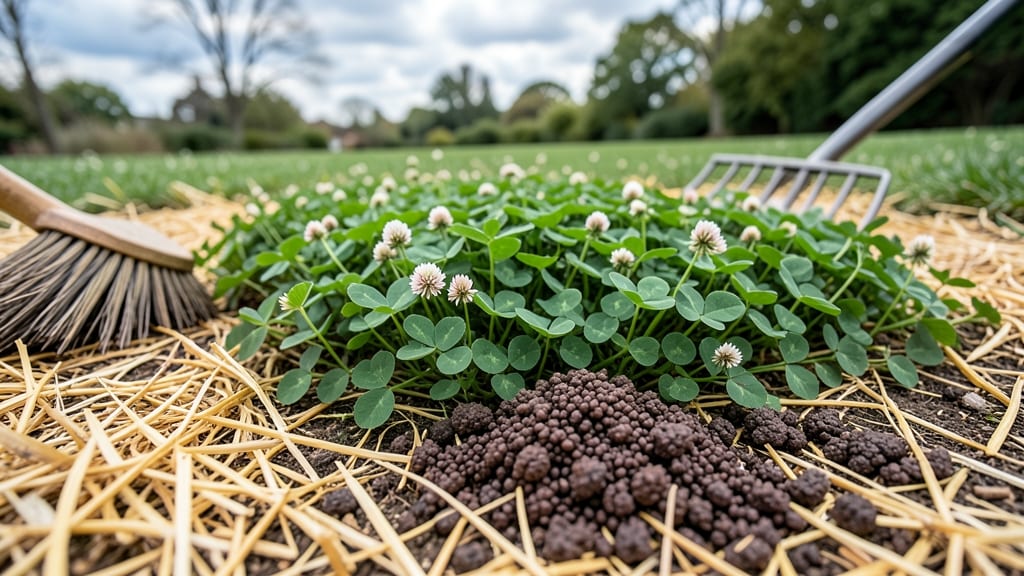
Protect your lawn from dog pee with this foolproof trick. 🌱 The acidity in urine burns grass, but a few simple steps can neutralize the damage while keeping your pup happy. I’ve turned my once-blighted lawn into a lush, dog-friendly space with these methods.
First, dilute the damage by watering immediately after your dog goes. This washes away concentrated urine before it burns. For tough stains, sprinkle baking soda or use a vinegar-water mix (1:1 ratio) to neutralize the acidity—both are pet-safe and work fast.
Long-term, train your dog to pee on gravel or mulch areas instead of grass. Over time, your lawn will recover with thicker grass that resists damage better. The key is consistency—once you establish the routine, your lawn stays green and your dog stays welcome.
Even better, these methods work for any grass type and won’t harm pets or plants. No more brown patches—just a healthy lawn where your dog can play freely. Let’s get started!
📚 In This Guide
- What you need
- Instructions
- Tips and common mistakes
- Wrapping up and next steps
What you need
- ● Vinegar (white vinegar, 5% acetic acid) – 1 gallon (3.8 liters) (for neutralizing urine pH)
- ● Baking soda – 1–2 cups (per affected area) (helps balance soil pH)
- ● Watering can or hose (with a gentle spray nozzle for even distribution)
- ● Garden gloves (to keep hands clean while handling materials)
- ● Rake or stiff-bristled brush (for loosening soil and spreading treatments)
- ○ Dog training tools (optional but helpful) – e.g., dog training pads or designated potty spots (to encourage better bathroom habits)
- ● Compost or organic fertilizer – 1–2 pounds (per damaged area) (to restore nutrients after treatment)
- ● Lime (pelletized or powdered) – ½ cup (for severely acidic soil) (if vinegar overuse is a concern)
- ● Grass seed (matching your lawn type) – as needed for patchy spots
- ● Pet-safe lawn fertilizer (to promote healthy regrowth)
Step-by-Step guide to neutralizing dog pee on lawns
Here’s how to restore your grass without harsh chemicals—using simple, natural methods that work fast.
🌱 Step 1: Dilute and Rinse Immediately After Peeing
When you spot your dog peeing, act fast. Grab a garden hose and rinse the area with water for 10-15 seconds—this dilutes the urine before it soaks into the soil. The key is timing: the longer urine sits, the deeper it penetrates roots and the harder it is to neutralize. I keep a hose nearby when walking my dog, so I’m ready in seconds.
Focus on the center of the stain, where the darkest color appears. You’ll see the yellow fade almost instantly, but don’t stop there—rinse the entire affected area, including the surrounding grass, to prevent concentrated spots. If your lawn is dry, water the patch afterward to help the grass recover faster.
💧 Step 2: Apply a Vinegar and Water Solution
Mix 1 part white vinegar with 3 parts water in a spray bottle. Vinegar’s acidity helps break down the ammonia in urine, which is what burns grass. Spray the solution lightly over the dampened area—you’re not trying to soak it, just mist evenly. I use a 16-ounce spray bottle for small patches and refill as needed.
Wait 5-10 minutes before watering again. This gives the vinegar time to work without washing away too quickly. Avoid oversaturating the grass—you want the soil to stay moist, not soggy. If your lawn feels spongy to the touch after spraying, let it dry slightly before adding more water.
☀️ Step 3: Use Baking Soda for Stubborn Stains
For deep yellow stains that won’t fade, sprinkle ½ cup of baking soda directly over the affected area. The alkaline properties neutralize the urine’s acidity, restoring the soil’s pH balance. Gently work the baking soda into the grass blades with your fingers or a soft brush—this ensures it reaches the roots without scratching the turf.
Water the spot lightly afterward to help the baking soda dissolve into the soil. You’ll notice the grass turn a healthier green within 24-48 hours. If the stain persists, repeat the process—baking soda is safe to use every few days until the lawn recovers. I keep a small container of baking soda near my gardening tools for quick fixes.
✂️ Step 4: Overseed and Fertilize the Affected Area
Once the stain fades, fill a small hole with new grass seed and a light layer of compost. Press gently to secure the seed, then water daily for 7-10 days until germination occurs. I use a handheld seeder for precision, ensuring the seed covers the bare patches without overlapping healthy grass. Choose a seed blend matched to your lawn’s type—cool-season grasses like Kentucky bluegrass recover faster than warm-season types.
After seeding, apply a slow-release, nitrogen-rich fertilizer to encourage root growth. Look for a product with at least 25% nitrogen—this helps the new grass outcompete weeds and establishes a thicker lawn. Avoid over-fertilizing; a ¼ teaspoon per square foot is plenty. You’ll see new blades emerge in 10-14 days, signaling the area is healing.
🪴 Step 5: Train Your Dog to Pee in Designated Spots
Prevent future damage by training your dog to pee on gravel, mulch, or artificial turf instead of grass. Place a large, flat stone in a corner of your yard and reward your dog with treats when they use it. Consistency is key—I take my dog to the same spot daily and praise them immediately after they go. Over time, they’ll associate the area with peeing.
If outdoor training isn’t an option, use pee pads on a patio or deck. Place them in a shaded spot to reduce odor and clean them weekly with a vinegar-water mix (same ratio as before). This keeps your lawn safe while giving your dog a reliable spot. With patience, most dogs adapt within 2-4 weeks—just stay consistent!
Tips & tricks for restoring dog-pee-damaged lawns
These simple yet effective strategies will help you revive your lawn faster and keep future stains at bay.
Timing is Everything: In Step 1, that 10-15 second rinse might seem quick, but it's crucial. The longer urine sits, the deeper it penetrates the roots. I've seen stains that were easy to fix within minutes turn into stubborn patches when ignored for even just 30 minutes. Keep a hose on a quick-release trigger near your walking path—you'll catch 90% of accidents before they become problems.
Vinegar Application Technique: When you're spraying the vinegar-water mix in Step 2, work in a light, even mist rather than drenching the area. I've found that using a spray bottle with a fine mist nozzle gives me better control than a hose attachment. The key is to saturate just enough to activate the vinegar's neutralizing properties without creating a soggy mess that could suffocate the grass roots.
Baking Soda Precision: For Step 3, don't just dump the baking soda—sprinkle it gently and work it into the grass blades with your fingers. This ensures the alkaline treatment reaches the damaged roots while protecting the surrounding healthy grass. I keep a small, lidded container of baking soda in my gardening shed so it's always ready when I need it. The gentle brushing motion also helps break up any hardened urine crystals that might have formed.
Seed and Compost Strategy: In Step 4, when overseeding, make those holes just deep enough to hold the seed without disturbing the soil too much. I've learned that shallow holes actually help the seed make better contact with the soil, which improves germination rates. For the compost layer, keep it thin—about ¼ inch is plenty. Too much can smother the seed and create a perfect environment for weeds.
Pro Tips for Protect Lawn From Dog Pee
- These simple yet effective strategies will help you revive your lawn faster and keep future stains at bay.
- Timing is Everything: In Step 1, that 10-15 second rinse might seem quick, but it's crucial.
- Vinegar Application Technique: When you're spraying the vinegar-water mix in Step 2, work in a light, even mist rather than drenching the area.
Frequently asked questions
Got questions about keeping your lawn lush despite your pup’s habits? Here are some common concerns—and straightforward solutions—to help you maintain a healthy yard without stress.
How often should I dilute my dog’s urine to protect my lawn?
Dilution isn’t always necessary, but if your dog pees frequently in the same spots, water the area immediately after they go. Aim for ¼ to ½ inch of water to help neutralize ammonia and flush out excess salts. For high-traffic pee zones, water 2–3 times daily during dry spells.
Will my lawn recover if I’ve ignored dog pee stains for months?
Yes, but it may take time! Start by overseeding bare patches and applying a nitrogen-rich fertilizer to revive grass. If the damage is severe, consider sod replacement for stubborn dead spots. Consistency is key—keep watering and fertilizing for 4–6 weeks to see improvement.
Are there natural alternatives to commercial urine neutralizers?
Try these DIY fixes:
- Vinegar solution: Mix 1 part white vinegar with 3 parts water, spray on pee spots, then rinse.
- Baking soda: Sprinkle lightly on affected areas, water thoroughly.
- Compost or manure tea: Boosts soil health and dilutes ammonia over time.
Why does my lawn turn brown in some spots but not others?
Uneven browning often signals soil compaction or uneven watering. Check for:
- Pee spots with hard, crusty soil (aerate to improve drainage).
- Grass that’s thinner or yellowing (signs of nutrient burn).
Can I train my dog to pee in a specific spot to protect my lawn?
Yes! Start by choosing a designated area (like a gravel patch or mulch bed) and rewarding your dog with treats when they use it. Consistency is crucial—take them to the spot frequently and clean accidents elsewhere with an enzyme cleaner to remove odors. Patience pays off!
Wrapping up and next steps
Protecting your lawn from dog pee doesn’t have to be a battle—with the right tools and techniques, you can keep your grass lush and healthy while giving your furry friend plenty of space to do their business! 🌱 The key is consistency (diluting spots, using natural neutralizers, and proper watering) and patience (results take time).
Ready to take action? Start by implementing just one or two of these methods this week—whether it’s training your pup to pee in a designated area or applying a vinegar-water mix to stubborn stains. Small steps lead to big results! 🚀