
Lawn
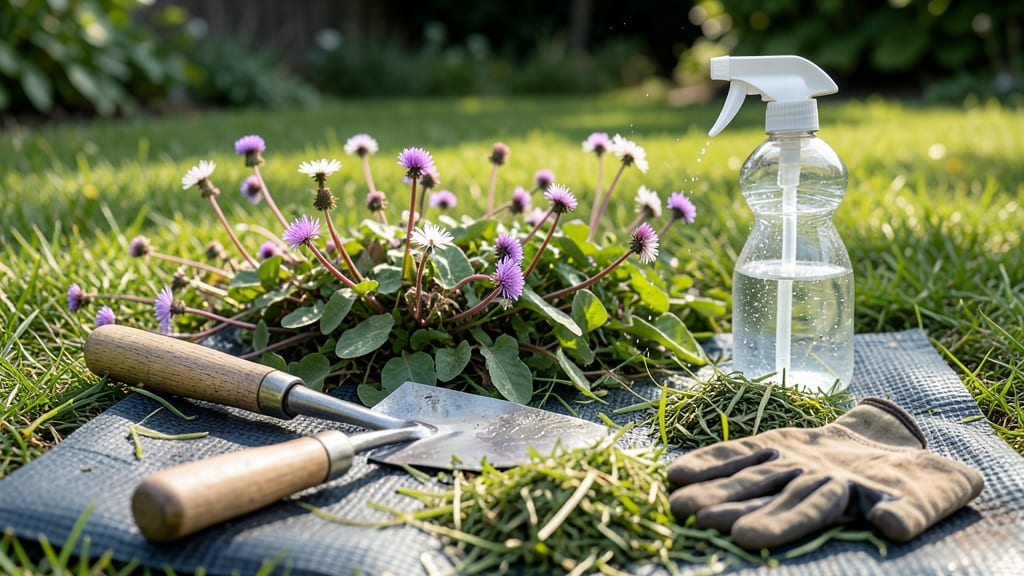
Those stubborn purple weeds creeping into your lawn aren’t just unsightly—they’re stealing nutrients from your grass. 🌱 I’ve battled clover, henbit, and chickweed enough to know the right approach transforms a patchy yard into a lush, weed-free carpet in just a few weeks.
The secret? Targeted removal and fixing the root causes (literally) without harsh chemicals.
Most purple weeds thrive where grass struggles—thin spots, compacted soil, or poor sunlight. My first step? Pulling them by hand when the soil’s damp (they come out easier) or spot-treating with vinegar or boiling water for stubborn patches.
It’s not about brute force; it’s about working with your lawn’s natural balance. A simple rake and some patience go a long way.
By the end, you’ll have a lawn so thick weeds can’t take hold—no more purple invaders, just vibrant green grass that feels like a carpet. The key is consistent care: watering deeply but less often, aerating compacted soil, and overseeding bare patches.
Trust me, your neighbors will ask for your secret.
This works for any yard size, from small patches to full backyards. The tools you need? A few basics from your garage or garden shed. Let’s get that lawn back to its best—naturally.
Understanding the Root Causes
Purple weeds—often henbit, chickweed, or purple deadnettle—popping up in your lawn aren’t just unsightly; they’re a sign your turf is sending out distress signals. Let’s dig into the science behind why these weeds take over, so you can address the real issues holding back your grass.
Weeds thrive where grass struggles, and nutrient-poor soil is their golden ticket. Purple weeds often appear when your lawn lacks: - Nitrogen (N): Essential for lush green grass growth. Without it, grass weakens, leaving gaps for weeds to invade. - Phosphorus (P): Supports root development.
Low phosphorus means shallow, fragile roots that can’t compete with deep-rooted weeds. - Organic Matter: Healthy soil teems with microbes and nutrients. Compacted or depleted soil lacks the resources grass needs to outcompete weeds.
Actionable Fix: Test your soil’s pH and nutrient levels (ideal lawn pH: 6.0–7.0). Amend with compost or a balanced fertilizer (e.g., 10-10-10) to restore balance. Purple weeds often retreat once grass gets the nutrients it craves.
Purple weeds like henbit and chickweed love moisture—sometimes too much.
Overwatering or uneven watering creates: - Shallow Root Zones: Grass roots stay near the surface, while weeds develop deeper, more resilient systems. - Fungal Growth: Excess moisture invites diseases that further stress grass, giving weeds an opening. - Water Waste: Many homeowners water daily, but lawns only need 1–1.5 inches per week (including rain).
Actionable Fix: Adjust your watering schedule:
- Deep but infrequent watering (2–3 times per week) encourages deep grass roots.
- Early morning watering (4–8 AM) reduces evaporation and fungal risks.
- Check for leaks—overwatering often stems from broken sprinklers or oversized zones.
Purple weeds exploit weak spots where grass can’t grow.
Common culprits: - Shaded Areas: Trees or buildings block sunlight, weakening grass and inviting weeds like purple deadnettle. - Thin or Patchy Grass: Gaps from foot traffic, pets, or disease create entry points for weeds. - Wrong Grass Type: Cool-season grasses (e.g., fescue, ryegrass) may struggle in hot, dry climates, while warm-season grasses (e.g., Bermuda, zoysia) dominate in southern regions.
Actionable Fix:
- Mow high (3–4 inches) to shade soil and retain moisture.
- Aerate compacted soil to improve air and water flow to grass roots.
- Choose shade-tolerant grasses (e.g., fine fescue) if your lawn has limited sunlight.
Ironically, harsh herbicides can backfire by:
- Killing beneficial microbes in soil, making it harder for grass to recover.
- Creating chemical imbalances that stress grass, leaving it vulnerable to weeds.
- Residue buildup from pre-emergent herbicides can prevent grass seeds from germinating.
Actionable Fix:
- Rotate herbicides to avoid resistance (e.g., alternate between pre- and post-emergent types).
- Use natural alternatives like corn gluten meal (a pre-emergent that also fertilizes).
- Spot-treat weeds instead of blanketing the lawn to protect grass health.
Purple weeds often strike in early spring or fall because:
- Cool temperatures favor their germination over grass.
- Dormant grass (common in winter) leaves open spaces for weeds to colonize.
- Fast growth cycles—some weeds (like henbit) mature in 30–60 days, outpacing slow-growing grass.
Actionable Fix:
- Pre-emergent herbicides in late winter/early spring (before weeds sprout).
- Overseed bare spots in fall to crowd out weeds before they take hold.
- Monitor high-risk areas (e.g., near sidewalks, driveways) where weeds often first appear.
Grubs, chinch bugs, or fungal diseases (like dollar spot) weaken grass, creating perfect conditions for purple weeds. Signs include:
- Brown patches that pull up easily (grubs).
- Wilting or yellowing grass (disease or insect damage).
- Thin, sparse areas where weeds move in.
Actionable Fix:
- Treat pests early with beneficial nematodes or milky spore for grubs.
- Fungicides (like propiconazole) for diseases, but prevent with proper watering and aeration.
- Improve drainage to reduce fungal growth in soggy spots.
Purple weeds win when grass loses. Healthy grass = fewer weeds. Focus on:
- Soil health (test, amend, aerate).
- Watering smarter (deep, infrequent, early).
- Mowing correctly (high, sharp blades).
- Seasonal prep (overseed, pre-emergent timing).
By tackling the real issues—not just the weeds—you’ll restore your lawn’s natural defense system. 🚀
Quick Fixes for Unwanted Purple Patches
Now that you know why those stubborn purple weeds are invading your lawn, it’s time to tackle them head-on—without harsh chemicals or breaking the bank. The good news?
Most purple weeds (like henbit, purple deadnettle, or chickweed) respond well to targeted, natural methods when you address the root cause (literally and figuratively). Below, we’ve mapped out practical solutions based on the most common triggers, plus prevention tips to keep your lawn lush and weed-free long-term.
If your lawn stays soggy or gets drenched daily, purple weeds thrive in the damp conditions. Drainage issues create the perfect breeding ground, while overwatering weakens grass, giving weeds an opening.
How to Fix It:
✅ 🔥 Improve Drainage in 3 Steps 1. Test Your Soil – Grab a handful of damp soil and squeeze it. If it holds a ball shape (clay-heavy) or feels gummy, drainage is poor.
A simple percolation test (dig a 12-inch hole, fill with water, and time how long it drains) can confirm. 2. Aerate Your Lawn – Rent a core aerator (or hire a pro) to pull out small soil plugs, allowing water and air to penetrate.
Do this in early fall or spring when grass is actively growing. 3. Amend the Soil – Mix in compost or sand (for clay soil) or organic matter (for sandy soil) to improve structure. Spread a ¼-inch layer over the lawn, then water lightly to help it settle.
✅ 💧 Adjust Your Watering Habits
- Water deeply but less often – Aim for 1–1.5 inches per week (including rain), split into 2–3 sessions (e.g., 30 mins in the morning and evening).
- Water early – Avoid evening watering to prevent fungal issues and weed seeds from germinating overnight.
- Check for runoff – If water pools after 30 minutes, you’re overdoing it.
💡 Pro Tip: Install a rain gauge or use a tuna can to measure rainfall—you might be watering more than you think!
Purple weeds love shady spots where grass struggles to grow. If your lawn has bare patches, thin grass, or too much shade, weeds will fill the gaps like weeds—literally.
How to Fix It:
✅ 🌿 Thicken Your Grass Naturally 1. Mow Higher – Set your lawnmower to 3–4 inches to shade the soil and crowd out weeds. Taller grass blocks sunlight that weeds need to germinate.
- Overseed Bare Spots – In early fall, spread shade-tolerant grass seed (like fine fescue or creeping red fescue) over thin areas. Lightly rake and water daily until sprouted.
- Fertilize Smartly – Use a slow-release, organic fertilizer (like compost or a 0-0-20 iron supplement) to strengthen grass roots.
Avoid high-nitrogen fertilizers in summer—they can scorch grass.
✅ 🌳 Trim Overhanging Branches
- Prune trees/shrubs to let at least 6 hours of sunlight reach your lawn daily. Even partial shade (30–50%) can invite weeds.
💡 Pro Tip: If shade is unavoidable, try shade-tolerant ground covers like clover or moss in problem areas—they outcompete weeds naturally!
Compacted soil suffocates grass roots, while poor nutrition makes grass weak and vulnerable to weeds. Purple weeds often pop up where grass can’t thrive.
How to Fix It:
✅ 🔪 Break Up Compaction 1. Rent a Core Aerator (or use a garden fork) to poke holes 4–6 inches deep in compacted areas. Do this in spring or fall.
- Top-Dress with Compost – Spread a ¼-inch layer of compost over the lawn, then lightly rake it in. This adds nutrients and improves soil structure.
✅ 🌡️ Test & Adjust Soil pH
- Ideal pH for lawns: 6.0–7.0. Test with a DIY soil test kit (available at garden centers).
- If too acidic (below 6.0): Sprinkle lime (follow package rates).
- If too alkaline (above 7.5): Add sulfur or peat moss.
💡 Pro Tip: Corn gluten meal (applied in early spring) not only fertilizes but also suppresses weed seeds—a two-for-one fix!
If purple weeds are already taking over, manual removal is the fastest way to stop their spread—especially for small patches.
How to Fix It:
✅ 👨🍳 Hand-Pull Weeds (Best for Small Areas) 1. Pull When Soil is Wet – After rain or watering, weeds come out easier. Grab the entire root (or they’ll regrow).
- Use a Weeding Tool – A hula hoe or dandelion digger makes quick work of stubborn weeds.
- Bag & Dispose – Don’t leave pulled weeds on the lawn—they’ll reseed!
✅ 🔥 Vinegar Spray (For Tough Spots) Mix:
- 1 gallon white vinegar
- 1 cup dish soap (as a surfactant)
- Optional: 1 tbsp salt (for extra oomph)
Spray directly on weeds (avoid grass—it’ll burn too!). Reapply every 3–5 days until weeds die. Best for sidewalks or driveways where grass isn’t growing.
✅ 🛡️ Prevent Regrowth with Mulch
- After pulling weeds, cover bare soil with 2–3 inches of mulch (straw, wood chips, or shredded leaves) to block sunlight and smother new seeds.
💡 Pro Tip: Boiling water works like vinegar but breaks down faster—great for cracked pavement or between patio stones!
Once your lawn is healthy, consistent maintenance keeps purple weeds from crashing the party.
✅ 🌿 Year-Round Lawn Care Checklist
| Season | Task | Why It Works |
|---|---|---|
| Spring | Aerate + Overseed | Fixes compaction, fills bare spots |
| Summer | Mow High + Water Deep | Crowds out weeds, prevents stress |
| Fall | Fertilize + Test Soil | Strengthens roots for winter |
| Winter | Leaf Cleanup | Prevents weed seeds from germinating |
✅ 🎯 Bonus Weed-Blocking Tricks
- Corn gluten meal (spring application) – Natural pre-emergent.
- Clay or cardboard mulch – Smothers weeds in garden beds.
- Dandelion-free lawn? Pull them early—they’re a magnet for pests!
Final Thought: Purple weeds are a sign your lawn needs a little TLC—but with these targeted fixes, you’ll crowd them out fast. Start with one or two methods that match your lawn’s biggest issue, then build from there.
Before you know it, those pesky purple patches will be a thing of the past! 🌱✨
Frequently asked questions
Are purple weeds harmful to my lawn's grass?
Not directly, but they compete aggressively for nutrients, sunlight, and water. Purple weeds like henbit or chickweed spread quickly, smothering grass and creating thin, patchy areas. The real danger is what they reveal—your lawn may be nutrient-deficient or compacted. Removing them gives your grass a fighting chance to recover.
How do I tell if my purple weeds are henbit vs. chickweed?
Henbit has square stems and purple, tubular flowers, while chickweed has tiny white flowers and delicate, hairy leaves. Check the leaf shape too: henbit leaves are oval and fuzzy, while chickweed leaves are pointy and smooth. Both thrive in cool weather, but henbit prefers disturbed soil.
Will vinegar really kill purple weeds without harming my grass?
Only if applied very carefully! Mix 1 gallon white vinegar + 1 cup dish soap (as a surfactant) and spray directly on weeds—avoid grass entirely. The acid burns weeds but can damage grass blades too. For best results, use on sidewalks, driveways, or between patio stones where grass isn't growing. Reapply every 3–5 days until weeds die.
Why do purple weeds keep coming back after I pull them?
You’re likely missing the roots or seeds! Purple weeds spread via both. Pull them when soil is damp to remove entire roots, and bag the debris—never leave pulled weeds on the lawn. For stubborn regrowth, try a boiling water treatment (pour directly on roots) or smother with cardboard/mulch for 2–3 weeks.
Can I prevent purple weeds by overseeding in fall?
Fall is the best time to overseed because cool weather helps grass establish before winter. Choose dense, shade-tolerant varieties (like fine fescue) to outcompete weeds. After overseeding, water lightly daily for 2–3 weeks to keep soil moist. This crowds out weeds by filling bare spots before they germinate.