
Flowers
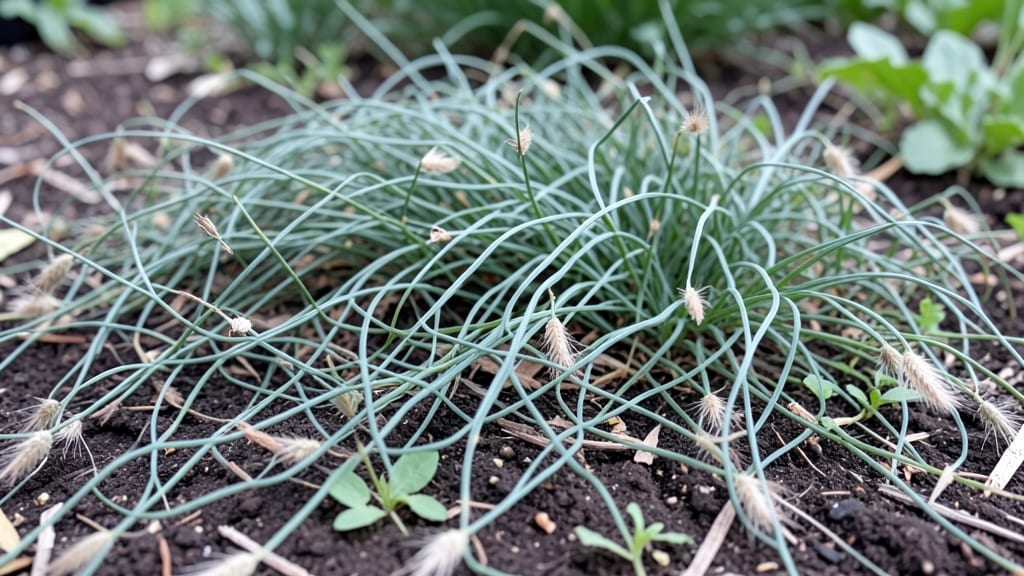
Quail grass care starts with understanding this drought-tolerant beauty that thrives where others fail. 🌱 I fell for its airy, fountain-like texture the first time I saw it—it looks like a cloud of fine blades that never needs mowing.
The secret to its effortless charm? It’s built for neglect, but a few simple steps keep it looking even better than the day you planted it.
This ornamental grass loves full sun but handles partial shade too, making it perfect for borders, slopes, or even containers. The soil doesn’t need to be rich—just well-draining—and once established, it barely asks for water.
That said, give it a good soak when you first plant it, then let nature take over. Pruning is optional, but if you want to tidy it up, a light trim in early spring keeps it looking sharp.
By midsummer, you’ll have a lush, silvery-green clump that sways in the breeze, adding movement to your garden without the upkeep of traditional lawns. It even holds its color through winter, making it a standout in any season.
The best part? Deer and rabbits tend to leave it alone, so you won’t need to worry about pests nibbling away.
For those chilly mornings when frost threatens, a light layer of mulch helps protect the roots, but quail grass is tough enough to bounce back on its own.
Whether you’re filling a sunny corner or softening a shady edge, this grass delivers year-round interest with almost no effort. Let’s get yours growing!
📚 In This Guide
- What you need
- Instructions
- Tips and common mistakes
- Wrapping up and next steps
What you need
- ● Seeds: High-quality quail grass seeds (0.5–1 lb per 100 sq ft). Look for Ehrharta erecta varieties for best results.
- ● Soil: Well-draining, slightly acidic to neutral soil (pH 6.0–7.0). Amend heavy clay with compost or sand.
- ● Water: A hose with a gentle spray nozzle or a watering can for even moisture distribution.
- ○ Fertilizer (optional): Slow-release granular fertilizer (10-10-10 or 5-10-10 NPK ratio) for nutrient boosts.
- ○ Mulch (optional): Organic mulch (straw or shredded leaves) to retain moisture and suppress weeds.
- ● Garden rake: For leveling soil and removing debris.
- ● Hand trowel or transplanting tool: For sowing seeds or dividing clumps.
- ○ Lawn roller (optional): Lightweight (10–20 lb) to press seeds into soil for better contact.
- ● String trimmer or edging tool: To maintain clean borders.
- ● Gloves & knee pads: For comfort during planting and upkeep.
- ● Sunlight: Full sun (6+ hours daily) for optimal growth.
- ● Climate: Thrives in USDA Zones 7–11; drought-tolerant but prefers moderate humidity.
- ● Space: Minimum 100 sq ft for a lush patch (adjust based on desired coverage).
Step-by-step instructions for cultivating quail grass
Here’s how to keep your quail grass lush and vibrant with just a few simple steps—no green thumb required.
🌱 Step 1: Choose the Right Location and Soil
Quail grass thrives in full sun to partial shade, so pick a spot that gets at least 4-6 hours of sunlight daily. It tolerates a range of soil types but prefers well-draining soil—this means sandy or loamy soil works best. If your soil is heavy clay, mix in 2-3 inches of compost to improve drainage before planting.
Don’t worry about perfect soil—quail grass is forgiving. Just avoid soggy areas where water pools, as its roots hate sitting wet. If your yard has low spots, plant quail grass on slightly raised beds or slopes to keep roots dry.
💧 Step 2: Plant and Water for Establishment
Sow quail grass seeds ¼ inch deep in early spring or late summer, when temperatures are mild. Scatter seeds evenly over the prepared area—1-2 pounds per 100 square feet is ideal. Lightly rake the seeds into the soil to ensure good soil contact, then water gently but thoroughly to settle them in.
Keep the soil consistently moist (not soggy) for the first 2-3 weeks until seedlings appear. Once established, quail grass is drought-tolerant, but young plants need steady moisture to root deeply. Water deeply 2-3 times per week in dry spells, then taper off as the grass matures.
☀️ Step 3: Maintain with Minimal Upkeep
Quail grass grows slowly, so you won’t need to mow often—just once or twice a season to tidy it up. Use a sharp mower set to 3-4 inches to avoid scalping the grass. If you skip mowing entirely, it’ll still stay neat and low-growing, perfect for ground cover.
Fertilize lightly in early spring with a balanced, slow-release fertilizer (like 10-10-10) if your soil is poor. Over-fertilizing leads to weak growth, so a light application once a year is plenty. Quail grass rarely needs extra care—just occasional weeding to keep invasive plants at bay.
✂️ Step 4: Control Spread and Prevent Overgrowth
Quail grass spreads slowly but steadily, so monitor its edges and trim back any stray shoots that creep into unwanted areas. Use a sharp spade or edging tool to define borders neatly. If it spreads too aggressively in one spot, simply dig up excess clumps and replant them where you want more coverage.
This grass handles foot traffic surprisingly well, making it ideal for pathways or high-traffic areas. If you notice brown patches, it’s usually due to drought—water deeply to revive it. Quail grass recovers quickly and stays green even in tough conditions.
Tips & tricks for perfect quail grass care
Here's what I've learned after years of growing quail grass—these simple tricks will help you keep it lush with almost no effort.
Location is Everything: While quail grass handles partial shade, I've found the sweet spot is actually 5-6 hours of morning sun followed by afternoon shade. This prevents the grass from drying out in hot afternoons while still getting enough light to stay vibrant. If you're planting near trees, choose the side that gets morning sun and afternoon shade.
Seed Planting Precision: Don't just scatter seeds randomly! Use a simple grid method for even coverage: divide your planting area into 6-inch squares and place seeds every 3-4 inches within each square. This ensures you're using exactly 1-2 pounds per 100 square feet without overcrowding. Lightly raking after planting creates better soil contact for those tiny seeds.
Watering Wisdom: The first 2-3 weeks are critical—this is when those seedlings need consistent moisture. I've found using a gentle sprinkler or soaker hose set to run for 10-15 minutes twice daily works better than deep watering once a day. This keeps the soil evenly moist without creating puddles that quail grass roots hate.
Mowing Made Easy: When you do need to mow (just once or twice a season), set your mower to 3.5 inches instead of the full 4 inches. This gives you a little extra height for drought recovery while still keeping it tidy. And here's a secret: if you notice the grass getting too long between mows, just run the mower over it on the highest setting—it'll still look neat and you won't scalp it.
Pro Tips for Quail Grass Care
- Here's what I've learned after years of growing quail grass—these simple tricks will help you keep it lush with almost no effort.
- Location is Everything: While quail grass handles partial shade, I've found the sweet spot is actually 5-6 hours of morning sun followed by afternoon shade.
- Seed Planting Precision: Don't just scatter seeds randomly!
Frequently asked questions
How often should I mow quail grass to keep it short?
Mow quail grass every 2–3 weeks during its growing season (spring to fall). Since it’s drought-tolerant, it won’t grow as aggressively as other grasses—just keep the height between 1–2 inches for that tidy, ground-cover look. Skip mowing in winter when growth slows.
Does quail grass die in winter, or is it truly evergreen?
Quail grass turns brown but doesn’t die in winter—it’s semi-evergreen. While it may lose some color in freezing temps, it regrows quickly in spring. For extra winter appeal, mulch lightly or pair it with hardy ground covers like creeping thyme.
How much water does quail grass need compared to other lawns?
Once established, quail grass is drought-resistant—water it deeply once a week (or every 10–14 days in dry spells). New seedlings need more frequent watering (2–3 times/week) to root deeply. Overwatering can lead to fungal issues, so let the soil dry slightly between waterings.
Are there common pests or diseases I should watch for in quail grass?
Quail grass is pest-resistant, but watch for grubs, chinch bugs, or fungal spots if soil stays soggy. Treat grubs with beneficial nematodes; for fungus, improve drainage and avoid overhead watering. Prevention is key—healthy soil = happy grass!
Can I replace quail grass with something else if it’s not working for me?
Yes! If quail grass isn’t thriving in your climate, try clover, sedge, or buffalo grass for low-maintenance alternatives. For shadier spots, creeping red fescue or moss are great swaps. Just note that quail grass excels in full sun to partial shade—match your replacement to your light conditions.
Wrapping up and next steps
Caring for quail grass is a rewarding way to enjoy year-round greenery with minimal fuss—perfect for busy gardeners or those craving low-maintenance beauty! 🌿 With the right soil, sun, and occasional trimming, this versatile grass thrives effortlessly, adding texture and charm to any landscape.
Whether you’re a beginner or a seasoned gardener, its resilience and adaptability make it a standout choice.
Ready to transform your space? Start by gathering your supplies and take the first step toward a lush, green oasis. Your future lawn—or garden accent—will thank you!