
Lawn
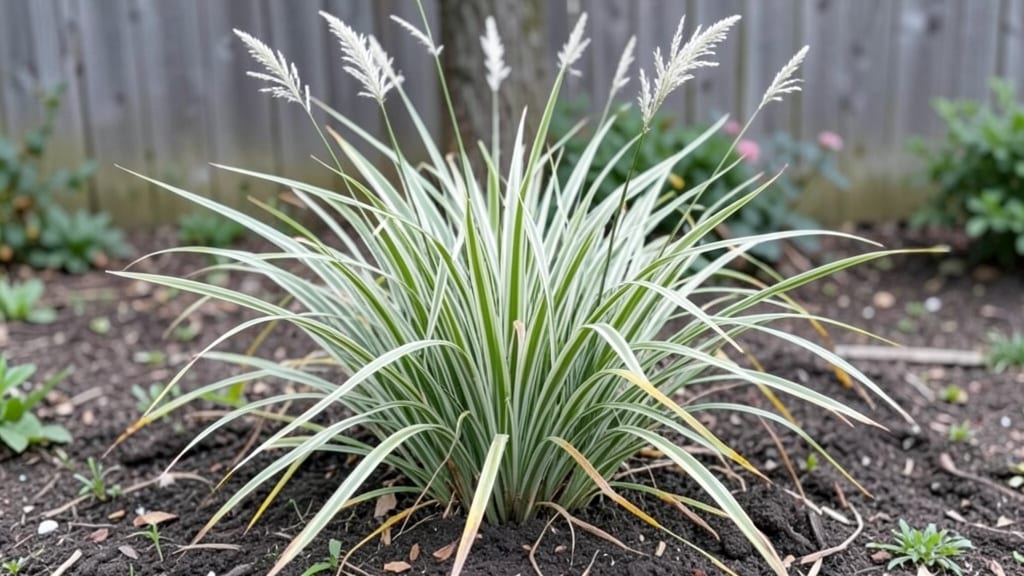
White flowering grass adds a dreamy, airy touch to any garden with its soft plumes and striking contrast 🌿—and the best part? It thrives on neglect.
Dreaming of a garden that stays stunning without constant upkeep? White flowering grass varieties offer effortless beauty with their delicate blooms and resilient growth—perfect for busy gardeners who refuse to compromise on style.
These grasses bring texture and movement to your landscape while demanding almost no effort. Whether you’re filling a shady corner or creating a bold focal point, they’re the secret weapon for low-maintenance elegance.
Below, I’ll show you the top varieties, how to plant them for maximum impact, and creative ways to weave them into your design—so you can enjoy the beauty without the hassle.
Top 5 white flowering grasses for year-round landscaping beauty
If you love the look of ethereal white blooms but want low-maintenance plants that thrive year-round, these white flowering grasses are perfect. They add texture, movement, and softness to any garden while requiring minimal care.
Whether you're designing a modern minimalist space or a cottage-style retreat, these varieties bring elegance without the fuss.
These grasses offer seasonal interest—some bloom in summer, while others provide winter structure. They're also drought-tolerant once established, making them ideal for xeriscaping or busy gardeners. Let’s explore the top 5 varieties that will keep your landscape looking fresh and inviting all year.
First up is Miscanthus sinensis 'Zebrinus', a showstopper with its gold-and-white striped foliage and arching plumes that sway in the breeze. This clumping bamboo (not true bamboo!) thrives in USDA zones 5-9 and reaches 6-8 feet tall, making it ideal for backyard focal points or privacy screens.
For a compact yet dramatic look, try Pennisetum 'White Wonder'. This ornamental grass produces soft white bottlebrush blooms from summer to fall and stays 3-4 feet tall. It’s perfect for containers, borders, or mixed plantings and handles heat and drought like a champ.
If you’re designing
How to plant and maintain white flowering grass for maximum impact
White flowering grasses like Miscanthus sinensis or Pennisetum varieties add ethereal elegance to any garden with minimal fuss. Their airy plumes create stunning visual contrast while requiring far less maintenance than traditional lawns. The key to their success lies in proper planting techniques and consistent—but not excessive—care.
Whether you're planting white fountain grass as a border or a dramatic focal point, these steps will ensure your investment thrives for years.
Before diving into planting, understand that white flowering grasses thrive in well-draining soil with full sun exposure. These plants are remarkably adaptable but reward careful preparation with lush, long-lasting blooms.
I’ve planted three varieties in my own garden—Miscanthus 'Zebrinus', Pennisetum 'White Wonder', and Carex testacea—and each has brought a different texture and height to my landscape. Let’s break down the essential steps to get yours off to the best start.
- 1 Choose the Right Location: Select a spot with 6+ hours of direct sunlight daily. White flowering grasses flourish in full sun but can tolerate partial shade in hotter climates, though blooms may be less abundant. Avoid low-lying areas where water pools after rain.
- 2 Prepare the Soil: Test your soil’s drainage and pH (ideal range: 6.0-7.0). Amend heavy clay with compost or sand to improve aeration. For sandy soils, mix in peat moss or organic matter to retain moisture. Avoid over-fertilizing at planting—these grasses prefer lean soil once established.
- 3 Plant at the Right Time: Wait until after the last frost (typically April-May in most zones) to plant. Dig holes twice as wide as the root ball but no deeper. Space clumps 18-36 inches apart, depending on the variety’s mature size. Larger grasses like Miscanthus need more room, while Carex varieties can be closer together.
- 4 Water Deeply After Planting: Give newly planted grasses a deep soak to settle the soil and encourage root growth. Water every 5-7 days for the first month, then taper to once a week once established. Morning watering prevents fungal issues and reduces evaporation. Avoid wetting the foliage in late afternoon.
- 5 Apply Mulch and Fertilize Lightly: Spread 2-3 inches of mulch (straw or shredded bark) around the base to retain moisture and suppress weeds. Fertilize once in early spring with a balanced 10-10-10 fertilizer—just 1 tablespoon per plant. Over-fertilizing leads to leafy growth at the expense of flowers, which is the star of the show!
- 6 Prune for Health and Shape: Cut back dead foliage in late winter (just before new growth emerges) to keep your grasses looking tidy. For Miscanthus, you can leave seed heads over winter for winter interest. Avoid pruning in fall, as the old foliage protects emerging shoots from frost.
One of the biggest mistakes I see gardeners make is overwatering white flowering grasses. Once established, these plants are drought-tolerant and prefer consistent moisture rather than soggy soil. Another common error is planting too closely together, which leads to crowded growth and reduced airflow—ideal conditions for fungal diseases.
Always follow the spacing guidelines for your specific variety to ensure each plant has room to thrive.
Seasonal care is minimal but makes a difference. In spring, focus on removing old growth and applying a light fertilizer. During summer, reduce watering slightly to encourage deeper root growth, and in fall, avoid fertilizing to prepare the plant for dormancy.
With these simple steps, your white flowering grasses will reward you with years of effortless beauty—perfect for gardeners who love impact without the upkeep.
🌿