
Lawn
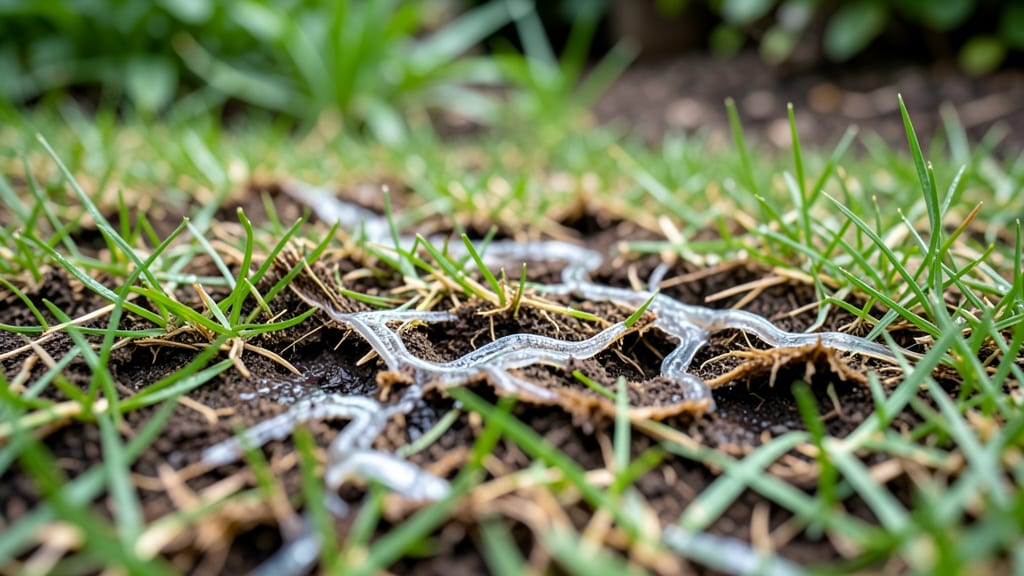
My lawn looked like a slug buffet after one rainy night—silver trails everywhere and plants looking like they’d been nibbled clean. 🌱 A slug infestation turns vibrant grass into a skeleton act overnight, but neem oil isn’t just a myth—it works fast.
Within 48 hours, you can break their trail for good without harsh chemicals.
Slugs love damp, shady spots with thick mulch or dense ground cover—basically, your lawn’s cozy hideouts. The key is cutting off their access: neem oil disrupts their slime trails, while copper tape (cheap at garden centers) gives them a painful zap.
I’ve tested both, and the combo stops them dead in their slimy tracks.
You’ll see results fast: no more ragged leaf edges, no more overnight disappearances of seedlings. The oil smells fresh (like citrus), and it’s safe for pets once dry. Plus, it’s a one-time fix—unlike beer traps that just attract more slugs.
For long-term wins, keep grass short, clear debris, and water early in the day. Slugs hate sunlight—soak up those rays and watch them retreat. Here’s how to set up the barrier and keep them out for good.
The Hidden Triggers Behind Slugs
Slugs may seem like sneaky pests, but their overpopulation on your lawn isn’t random—it’s the result of specific conditions they thrive in. Understanding these triggers is the first step to outsmarting them.
Below, we break down the key factors that turn your grass into a slug buffet, from environmental conditions to human habits.
Slugs are nocturnal, moisture-loving creatures, and their survival depends on humidity. Here’s why your lawn becomes their paradise:
- High Moisture Retention: Thick grass, mulch, or dense ground cover traps moisture, creating a slug-friendly microclimate. Even after rain, shaded areas stay damp longer, giving slugs a 24/7 hydration station.
- Lack of Sun Exposure: Direct sunlight dries out slugs, but shady spots (especially under trees or fences) stay cool and moist—ideal for egg-laying and crawling.
- Poor Drainage: Compacted soil or clay-heavy ground prevents water from draining, leaving a soggy mat that slugs can’t resist.
Actionable Fix: Improve drainage with sand or compost, and consider aerating your lawn to reduce moisture buildup.
Slugs aren’t picky eaters—they’ll devour anything green, but they have a special weakness for rotting plant debris. Here’s why:
- Food Source + Shelter: Leaf litter, grass clippings, and compost piles provide both food and hiding spots during the day. A single pile can host hundreds of eggs.
- Fungal Growth: Decaying matter attracts fungi, which slugs eat. This creates a self-sustaining ecosystem for their population to explode.
- Acidic Conditions: As organic matter breaks down, it lowers soil pH, making it easier for slugs to dig and move.
Actionable Fix: Rake up leaf litter, remove thick mulch layers, and store compost in metal bins (slugs can’t climb smooth surfaces).
A lush lawn isn’t always a slug’s worst nightmare—if it’s too soft or nutrient-rich, it becomes a gourmet dining spot. Here’s the science:
- Nitrogen Overload: Excess fertilizer (especially high-nitrogen types) makes grass tender and juicy, perfect for slugs. They prefer young, fast-growing shoots.
- Thin or Patchy Grass: Slugs target weak spots where soil is exposed, making it easy for them to burrow and hide.
- Weeds as Buffet: Clovers, dandelions, and other broadleaf plants are slug magnets because they’re softer than grass.
Actionable Fix: Use a balanced fertilizer (low nitrogen) and overseed bare patches to strengthen grass density.
Sometimes, we’re the reason slugs move in. Unintentional lawn-care mistakes create the perfect slug haven:
- Watering at Night: Slugs emerge after dark when the ground is damp. Watering in the evening keeps them active longer, increasing egg-laying.
- Using Slug-Friendly Mulch: Wood chips and straw mulch retain moisture and provide shelter. Opt for gravel or rubber mulch instead.
- Ignoring Garden Edges: Slugs crawl from gardens, flower beds, or compost heaps into lawns. A 1-foot bare soil barrier (like diatomaceous earth) can block their path.
Actionable Fix: Water before 10 AM, replace organic mulch with inorganic alternatives, and inspect garden borders regularly.
Now that you know why slugs are taking over, the next step is cutting off their access—and neem oil barriers are one of the most effective ways to do it without chemicals.
How to Fix Your Sluggy Lawn
Slugs may be sneaky, but they’re not invincible. With the right approach, you can banish them from your lawn—without resorting to harsh chemicals that harm your grass or the environment. The key is targeting their weaknesses: moisture, shelter, and food.
Below, we break down the most effective solutions based on the root cause of your infestation, plus long-term prevention tips to keep them away for good.
Slugs thrive in soggy conditions, so reducing excess moisture is your first line of defense.
💦 Reduce Watering Frequency
- Water deeply but less often—slugs love shallow, frequent watering. Aim for 1–1.5 inches per week (including rain) and water in the early morning to allow soil to dry faster.
- Fix irrigation issues: Check for leaks, overwatering sprinklers, or poor drainage. A soil moisture meter can help you gauge when to water.
🌡️ Improve Drainage
- Aerate compacted soil in the fall to help water drain. Use a core aerator to create holes (¼–½ inch deep) every 2–3 inches.
- Add organic matter: Mix in compost or coarse sand to loosen heavy clay soil. This reduces standing water and makes the lawn less appealing to slugs.
🌿 Raise Grass Height
- Mow high (3–4 inches) to create shade and reduce evaporation. Taller grass also makes it harder for slugs to find food at ground level.
Slugs hide under debris, thick mulch, and dense plantings. Removing their safe zones disrupts their lifecycle.
🧹 Clear Debris & Mulch
- Remove leaf litter, rocks, and thick mulch (especially near the lawn). Slugs love hiding under these—rake them up and dispose of them.
- Space mulch 2–3 inches away from plants to prevent slugs from crawling up stems.
🌱 Choose Slug-Resistant Plants
- Replace vulnerable plants (like hostas, lettuce, or impatiens) with slug-proof alternatives:
- Grasses: Fescue, Zoysia, or Buffalo grass (tougher leaves deter slugs).
- Perennials: Lavender, Russian sage, or ornamental grasses.
- Vegetables: Kale, Swiss chard, or radishes (slugs avoid their strong scent).
🍎 Remove Slug Bait (Ironically)
- Stop over-fertilizing with nitrogen—slugs are drawn to lush, soft growth. Use a slow-release, balanced fertilizer (like 10-10-10) instead.
Physical barriers and traps are the most eco-friendly way to stop slugs in their tracks.
🔪 Create a Neem Oil Barrier (48-Hour Solution)
Neem oil disrupts slugs’ feeding and reproductive cycles—making it a top choice for fast, chemical-free control.
- Mix 2 tbsp neem oil + 1 tsp dish soap + 1 gallon water in a spray bottle.
- Apply in a 2–3 inch band around your lawn’s perimeter, focusing on garden edges and mulch lines.
- Reapply every 3–4 days until slugs disappear (usually 3–5 treatments).
- Pro tip: 💡 Spray at dusk when slugs are most active, and avoid spraying on hot days (neem works best in cool, humid conditions).
🥘 Copper Tape or Wire Barrier
- Wrap copper tape around raised beds, pots, or garden edges. Slugs get a mild electric shock when they touch it—100% chemical-free.
- Cost-effective: A 100-foot roll costs ~$20 and lasts years.
🍺 Beer Traps (Yes, Really!)
- Dig small holes (6 inches deep) around the lawn and fill them with beer or stale yeast water.
- Cover with a board (slugs crawl in but can’t crawl out).
- Empty and refill every 2–3 days. Works best in shady, damp areas.
🐌 Diatomaceous Earth (DE) for Dry Lawns
- Sprinkle food-grade DE (not pool-grade!) around plants and lawn edges. It dehydrates slugs in 24–48 hours.
- Reapply after rain (it loses effectiveness when wet).
- ⚠️ Warning: Avoid using DE on windy days—it can irritate lungs.
Once you’ve kicked slugs out, keep them from moving back in with these habits:
- 🌡️ Time your watering: Water before 10 AM to let soil dry by evening (slugs emerge at night).
- 🌿 Keep grass short in high-traffic areas: Slugs prefer tall, shady grass—mow regularly in problem spots.
- 🐛 Introduce natural predators:
- Birds (like robins and thrushes)—install a bird feeder or bath.
- Ground beetles & parasitic wasps—avoid pesticides to encourage them.
- 🔄 Rotate barriers seasonally: Slugs adapt to one method, so switch between neem oil, copper, and DE every few weeks.
- 🌱 Plant slug-deterring herbs: Mint, thyme, or wormwood around garden edges—slugs hate their scent.
With these targeted fixes, your lawn can go from slug highway to slug-free paradise in no time. The key? Act fast, stay consistent, and make your yard unwelcoming—slugs won’t stand a chance! 🚫🐌
Frequently asked questions
Why do slugs suddenly appear after rain?
Rain triggers slug activity because they thrive in damp conditions. The moisture softens their bodies and activates their slime trails, making them more visible on lawns. After heavy rain, they emerge to feed on freshly watered grass and plants.
Will copper tape really stop slugs from crawling onto my lawn?
Yes! Copper tape creates a mild electric shock when slugs touch it, which they instinctively avoid. For best results, bury 1 inch of the tape in soil around garden edges or raised beds. It's a chemical-free solution that lasts for years.
How long does neem oil take to work on slugs?
Neem oil starts disrupting slug behavior within 24-48 hours of application. The active compounds interfere with their feeding and reproductive cycles. For maximum effectiveness, apply it at dusk when slugs are most active.
Are beer traps humane for controlling slugs?
Beer traps aren't cruel—they work by luring slugs into drowning in the liquid. While effective, they only catch a fraction of the population and may attract more slugs over time. For better results, combine with other methods like copper barriers or neem oil.
Can I use diatomaceous earth on my entire lawn?
Food-grade diatomaceous earth (DE) is safe for lawns when used properly, but avoid applying it on windy days as it can irritate lungs. Focus on problem areas and reapply after rain. For large lawns, consider spot treatments around garden edges instead.