
Plants
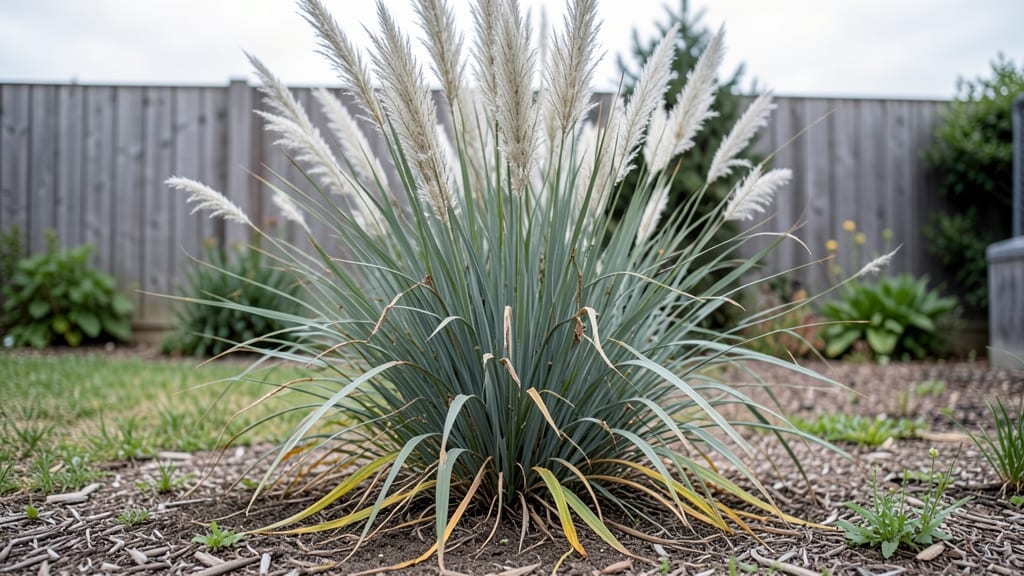
A small pampas grass variety brings airy elegance and easy care to tight spaces, turning even the humblest garden into a whispering, textured sanctuary.
If you dream of a lush, low-maintenance privacy screen that thrives year-round without towering over your yard, small pampas grass could be your perfect solution—delivering texture, movement, and seasonal interest in just three compact zones.
These ornamental grasses bring drama to small gardens or urban spaces, where their feathery plumes sway in the breeze, creating a natural windbreak that softens noise and adds height without overwhelming the landscape.
Below, I’ll show you how to layer different varieties for a layered look, pair them with complementary plants, and keep them tidy with minimal effort—so you can enjoy their beauty all season long.
How small pampas grass creates a privacy screen in 3 height zones
Small pampas grass (Cortaderia selloana) isn't just for dramatic focal points—it can be the backbone of a multi-layered privacy screen that adds movement and texture to your landscape.
The key lies in its three natural height zones: dwarf, semi-dwarf, and standard varieties. By strategically placing these zones, you create depth while keeping the look cohesive and intentional.
Unlike traditional privacy hedges that require constant trimming, small pampas grass thrives on minimal maintenance while delivering year-round interest. The feathery plumes sway in the breeze, offering visual privacy even when leafless in winter. Plus, its drought-tolerant nature makes it ideal for water-conscious gardens.
For a balanced privacy screen, start with standard-height varieties (3–5 feet) as your foundation. These create the primary barrier while leaving room for smaller plants to fill gaps. The semi-dwarf varieties (2–3 feet) add mid-level texture, while dwarf types (1–2 feet) soften the edges and attract pollinators like butterflies.
Spacing is critical—plant standard varieties 4–5 feet apart, semi-dwarfs 3 feet apart, and dwarfs 2 feet apart for a natural, layered effect. This arrangement mimics a forest understory, where sunlight filters through uneven canopies.
Pair these with evergreen shrubs like boxwood or ornamental grasses like fountain grass for year-round structure.
Here’s how the three height zones compare for privacy and aesthetics:
| Height Zone | Mature Height | Best Spacing | Privacy Role | Complementary Plants |
|---|---|---|---|---|
| Standard | 3–5 ft | 4–5 ft apart | Primary barrier | Boxwood, Russian sage |
| Semi-Dwarf | 2–3 ft | 3 ft apart | Mid-level texture | Dwarf mondo grass, lavender |
| Dwarf | 1–2 ft | 2 ft apart | Edge softening | Creeping thyme, sedum |
To enhance the visual impact, interplant small pampas grass with evergreen shrubs like inkberry holly or dwarf yaupon holly for year-round color. These fill gaps while the pampas grass provides seasonal drama with its plumes.
For a wild, natural look, mix in native grasses like blue grama or switchgrass to attract birds and butterflies.
One of my favorite combinations is standard pampas grass paired with semi-dwarf varieties and dwarf fountain grass. The fountain grass’s arching forms contrast beautifully with the pampas grass’s upright plumes, creating a dynamic, wind-activated display.
This trio works especially well in urban gardens where space is limited but privacy is needed.
For urban or small-space gardens, consider container planting with dwarf pampas grass varieties. Use large pots (18–24 inches wide) and group 3–5 plants together for a mini privacy screen on patios or balconies. Pair with trailing plants like sweet potato vine to soften the edges and add color.
Small pampas grass isn’t just about height—it’s about layering textures and movement. The plumes’ silver-gray hues stand out against deeper greens, while their feathery movement adds life to any space.
Whether you’re screening a noisy street or adding privacy to a backyard oasis, this three-zone approach ensures your screen is both functional and stunning.
Pro tip: Plant in clumps of 3–5 for a fuller look faster. The more you group them, the sooner they’ll fill in and create that lush, impenetrable privacy you’re after. Just remember—less is more with pampas grass. A few well-placed plants can make a bigger impact than overcrowding.
Best small pampas grass varieties for low-maintenance privacy
When selecting small pampas grass varieties for privacy, you’ll want plants that stay under 5 feet tall while still delivering dramatic plumes and wind movement. The best compact options—like Cortaderia selloana 'Pumila' and 'Little Pampas'—thrive in tight spaces without requiring constant pruning or staking.
These varieties are perfect for urban gardens, small yards, or container plantings where you need year-round structure without the towering height of traditional pampas grass.
Below, I’ve compared the top three low-maintenance varieties based on growth habits, sunlight needs, and cold hardiness to help you choose the right fit for your climate.
'Pumila' is my top pick for full-sun gardens in cooler climates (USDA zones 6a-9b), as it handles winter chill better than most compact varieties. Its 3-4 foot height makes it ideal for backyard borders or as a windbreak near patios, where it softens noise while adding movement to your space.
If you’re in a warmer climate (zones 7a-10a), 'Little Pampas' is a fantastic choice—it stays under 3.5 feet and tolerates partial shade, making it perfect for urban courtyards or container gardens. Just be prepared for slightly softer plumes compared to 'Pumila'.
For smallest spaces or container plantings, 'Baby Pampas' is the way to go. This variety matures at just 2-3 feet tall, making it ideal for balconies, window boxes, or mixed borders.
However, it requires more frequent watering in dry conditions, so it’s best for moderate climates where humidity is consistent.
All three varieties share low-maintenance care—they thrive in well-draining soil, require minimal pruning, and add winter interest with their silver-gray plumes. To maximize privacy, plant them in groups of 3-5 for a fuller look, spacing them 2-3 feet apart for a natural, wind-swept effect.
For year-round privacy, pair these grasses with evergreen shrubs like boxwood or holly to fill gaps when plumes fade in late winter. With the right variety, you’ll have a textured, low-maintenance screen that looks stunning without the upkeep of traditional hedges.