
Lawn
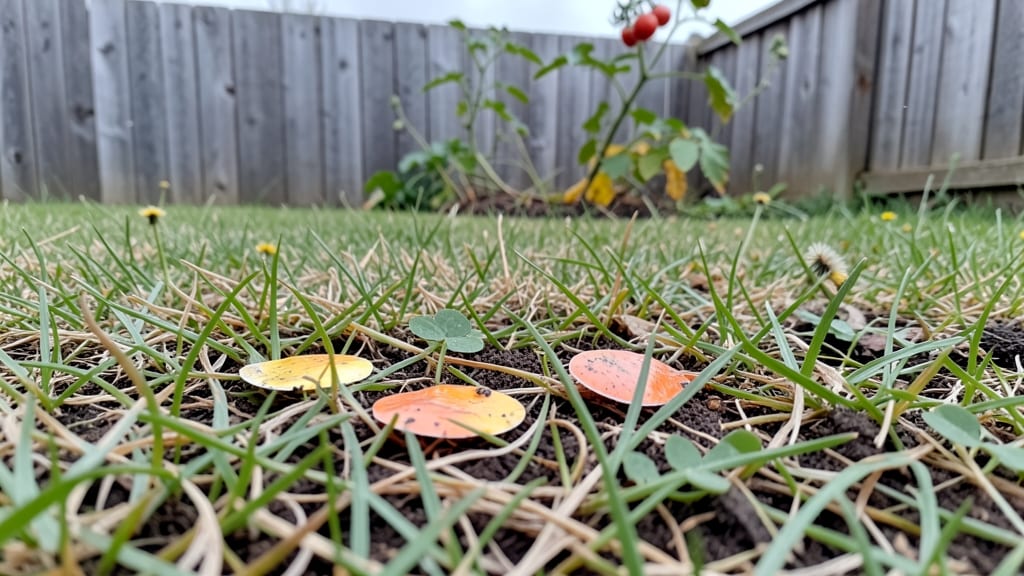
Stickers in lawns ruin that fresh-cut look faster than you can say "weekend mow." I’ve spent too many Sundays wrestling with these stubborn patches, and I finally cracked the code for a quick cleanup that actually works—no heavy equipment required.
The key is speed, because once they’re down, your grass recovers faster than you’d expect.
Most of these stickers are either litter (like price tags or labels) or misidentified weeds (like sticky seed pods from plants). Either way, the solution starts with a simple tool: a stiff plastic rake or a leaf blower on low setting.
For stubborn ones, a pair of gloves and a little elbow grease works wonders—just don’t let them sit and smother your grass for weeks. The faster you tackle them, the quicker your lawn bounces back.
Once cleared, you’ll notice new growth filling in within 7-10 days if the underlying soil is healthy. The secret? Lightly aerate the spots afterward to help roots re-establish. I’ve seen lawns go from patchy to lush in just a couple of weeks after a thorough cleanup—no chemicals, no fuss.
Prevention is easy too: sweep your yard after mowing or use a magnetic litter grabber for metal stickers.
Works for any lawn size, from small front yards to big back fields. The only rule? Don’t wait until they’ve been there for months—act fast, and your grass will thank you. Here’s how to make it happen without losing your weekend.
Why it happens
Those pesky, stubborn stickers clinging to your lawn aren’t just a cosmetic nuisance—they’re often a symptom of deeper issues lurking beneath the surface. Whether they’re adhesive residue from fallen leaves, petroleum-based contaminants, or organic buildup from decomposed matter, understanding the root cause is half the battle.
Below, we break down the most common reasons your lawn develops these stubborn patches—and how to identify them before they take over.
🌿 1. Adhesive Residue from Fallen Leaves or Debris
If your lawn has a sticky, film-like residue that feels slick to the touch, adhesive from sticky seeds, tree sap, or even pesticide-treated leaves is likely the culprit. Here’s why it happens:
- Sticky Seed Coatings: Some ornamental plants (like maple trees or sumac) produce seeds coated in a natural adhesive to stick to animals—or your lawn. When these seeds fall, they leave behind a gluey film that repels water, suffocates grass, and attracts dirt.
- Tree Sap and Pitch: Injured trees (e.g., pine, oak, or birch) exude sap that hardens into sticky patches. This blocks sunlight and air, preventing grass from growing.
- Pesticide or Herbicide Runoff: Some lawn treatments contain petroleum-based adhesives that don’t fully break down. When rain or foot traffic spreads them, they create waterproof barriers on your grass.
🔍 How to Spot It: Run your fingers over the patch—if it feels tacky or greasy, adhesive is the likely cause. Shine a flashlight at an angle: sticky residue often glows slightly under light.
🐾 2. Pet Waste and Urine Buildup
While pet waste itself may not be sticky, the ammonia and uric acid in urine can crystallize and harden over time, especially in hot, dry conditions. This creates a crunchy, sometimes sticky crust that smothers grass roots. Here’s the science:
- Urine Concentration: When pets urinate in the same spot repeatedly, the high nitrogen content (up to 2.5% by weight) concentrates and reacts with soil minerals, forming ammonium salts.
- Heat and Evaporation: In dry weather, these salts crystallize into a hard, sometimes sticky layer, similar to how salt forms on wet pavement in winter.
- Fungal Growth: The alkaline environment (pH 8–9) encourages fungal mats (like black algae), which can bind to the soil and create a gummy texture.
🔍 How to Spot It: Look for yellow-brown patches with a slightly raised, crusty surface. The area may also have a sour or ammonia-like odor when wet.
🍂 3. Organic Matter Decomposition Gone Wrong
When leaves, mulch, or grass clippings don’t fully break down, they can form a thick, sticky mat that smothers your lawn. This happens due to:
- Improper Mulching: Too much wood mulch or shredded leaves (especially cedar or pine) can create a mat that blocks oxygen and water. These materials release tannins and resins, which act like natural adhesives.
- Algae and Moss Growth: In shady, damp areas, filamentous algae (like blue-green algae) or moss can bind to soil particles, forming a slippery, glue-like layer.
- Fungal Mycelium: Underground fungi (like fairy rings) produce sticky hyphae networks that can surface as gelatinous patches when disturbed.
🔍 How to Spot It: The patch may feel squishy or spongy when wet and dry into a leathery crust when it’s hot. Dig a small hole—if the soil smells earthy but slightly sweet, organic decomposition is likely the issue.
🧪 4. Chemical Spills or Fertilizer Burn
Oil spills, spilled motor oil, antifreeze, or even over-applied fertilizers can leave behind petroleum-based residues that harden into sticky, tar-like patches. Here’s how it happens:
- Petroleum Hydrocarbons: Oil and gasoline don’t dissolve in water and can seep into soil, where bacteria slowly break them down into asphalt-like byproducts.
- Fertilizer Salts: Excessive synthetic fertilizers (especially those with urea or ammonium) can crystallize into a sticky, glass-like layer when they react with soil minerals.
- Herbicide Residue: Some glyphosate-based or pre-emergent herbicides contain adhesives to slow evaporation, which can linger and harden in the soil.
🔍 How to Spot It: The patch may have a shiny, black, or dark brown appearance with a strong chemical odor. If it doesn’t dissolve in water but feels oily, it’s likely a chemical residue.
How to solve it
Got unsightly stickers marring your lawn’s perfection? Don’t let those pesky adhesive remnants ruin your hard work—here’s how to tackle them head-on, whether they’re from fallen branches, kids’ toys, or wayward tape.
The key is acting fast and choosing the right method for the job. Below, we break down solutions by cause, so you can restore your grass without breaking a sweat.
###
🧹 For Stickers from Fallen Branches or Tree Sap
Nature’s glue—tree sap, pine pitch, or sticky residue from branches—can be a nightmare to remove. But with the right tools, you’ll have your lawn looking fresh in no time.
Step-by-Step Fix:
- 🔥 Scrape Off the Bulk Use a plastic putty knife, credit card, or even a butter knife to gently scrape away as much of the sticky material as possible. Avoid metal tools if the sap is still fresh, as they can spread it further.
- 🧴 Apply a Solvent
- For fresh sap: Dab a cloth with rubbing alcohol (isopropyl alcohol) or acetone (found in nail polish remover) and press it onto the sticky spot. Let it sit for 30 seconds before wiping away.
- For dried or hardened sap: Try goo gone or WD-40 Specialist—spray lightly and scrub with a soft brush or cloth. For tough spots, let it soak for 5–10 minutes.
- For pine pitch: A mix of dish soap and warm water (1:1 ratio) can break it down. Scrub gently with a sponge.
- 🌱 Revive the Grass Once the area is clean, rinse with water and pat dry. If the grass looks stressed (yellow or crunchy), water it lightly and consider applying a light layer of compost or grass seed to help recovery.
💡 Prevention Tips:
- Regularly clean up fallen branches before sap hardens.
- Trim overhanging branches to reduce sap drips onto your lawn.
- Apply a natural barrier like landscape fabric under trees to catch debris.
###
🎨 For Stickers from Adhesive Labels or Tape
Kids’ toys, packaging tape, or price stickers can leave behind a sticky film that repels water and grass seeds. The good news? These are easier to remove than sap!
Step-by-Step Fix:
- 🧼 Wash with Soapy Water Mix warm water + dish soap (or vinegar + water for a natural option). Scrub the area with a soft-bristle brush or sponge. For stubborn residue, let the solution sit for 10–15 minutes before scrubbing again.
- 🧴 Use a Sticker Remover
- For plastic or vinyl stickers: Spray with Goof Off or Goo Gone and wipe with a microfiber cloth.
- For pressure-sensitive tape residue: Try mineral spirits (use gloves!) or acetone—test on a small area first.
- 💦 Rinse and Revive Rinse thoroughly with water. If the grass is damaged, water deeply and reseeds the area if needed.
💡 Prevention Tips:
- Lay down cardboard or newspaper under outdoor activities (like picnics) to catch stray stickers.
- Keep a small trash bag handy for quick cleanup after kids play outside.
- Use a leaf blower occasionally to remove lightweight debris before it sticks.
###
🌿 For Stickers from Glue or Craft Projects
Accidental glue spills or outdoor crafts can leave your lawn looking like a crime scene. The fix? A little elbow grease and the right chemistry.
Step-by-Step Fix:
- 🧴 Choose the Right Solvent
- For white or school glue: Soak with warm water + baking soda paste (let sit 15 mins, then scrub).
- For super glue or epoxy: Use acetone or rubbing alcohol—apply sparingly and scrub immediately.
- For hot glue: Mineral spirits or Goof Off works best (wear gloves!).
- 🧹 Scrub Gently Use a soft toothbrush or nylon scrubber to avoid damaging grass blades. For large areas, a plastic spatula can help lift dried glue without tearing the lawn.
- 🌱 Repair the Lawn After cleaning, water the area and apply grass seed if the grass is sparse. A light layer of mulch can help protect new growth.
💡 Prevention Tips:
- Store glue and craft supplies in a shed or garage to avoid spills.
- Use outdoor-friendly alternatives like cornstarch paste (for kids’ crafts) instead of traditional glue.
- Clean tools immediately after use to prevent dried residue.
###
⚠️ When to Call in Backup
Some sticky situations are tougher than they look. If you’ve tried the above and your lawn still looks like a crime scene, consider these pro moves:
- 🌱 Professional Lawn Repair: For large areas, a lawn care service can assess damage and recommend sod replacement or hydroseeding.
- 🧪 Chemical Stain Removers: Products like Simple Green Oxy Solve can tackle deep-set stains (always test first!).
- 🔄 Replace Damaged Grass: If the area is beyond saving, dig up the dead grass, amend the soil, and plant new seed or sod.
Stickers don’t stand a chance when you hit them with the right tools and a little patience. Whether it’s sap, glue, or tape, your lawn can bounce back—just don’t let those sticky spots linger! 🚀
Frequently asked questions
Why do stickers keep appearing in my lawn even after cleaning?
Stickers often return due to tree sap, sticky seed coatings, or organic debris like fallen leaves. Trees (especially pine or maple) naturally produce adhesive sap that hardens over time. Regular cleanup helps, but trimming overhanging branches and using landscape fabric under trees can prevent future buildup.
Can I use a pressure washer to remove sticky residue from my lawn?
Pressure washers can spread residue instead of removing it, especially with tree sap or petroleum-based stickers. Start with a soft-bristle brush and mild solvent (like dish soap or vinegar). If you must use a pressure washer, set it to the lowest setting and hold it 12+ inches away to avoid damaging grass.
How do I tell if sticky patches are from sap, glue, or pet urine?
Check the texture and smell: Tree sap feels greasy and may glow under light; glue often has a strong chemical odor and looks cloudy; pet urine creates yellow-brown crusts with an ammonia smell. For sap, use rubbing alcohol; for glue, try acetone; for urine, scrub with vinegar and water.
Will my lawn recover if stickers smother grass for weeks?
Grass can recover if the underlying soil is healthy, but prolonged smothering (4+ weeks) may require reseeding. Remove stickers immediately, then aerate the soil and water deeply to help roots re-establish. For large damaged areas, consider sod patches or hydroseeding for faster recovery.
Are there eco-friendly ways to remove sticky residue?
Yes! For sap or glue, mix baking soda + warm water into a paste and scrub gently. For petroleum-based stickers, use cornstarch or dish soap. Avoid harsh chemicals—opt for vinegar or rubbing alcohol instead. Always test small areas first.