
Lawn
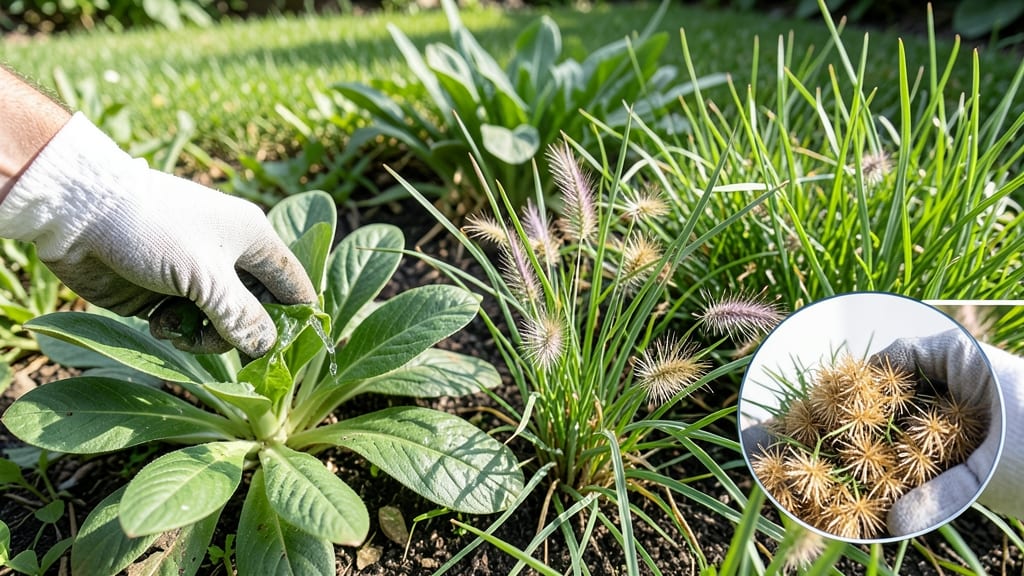
Sticky weeds in your lawn aren't just annoying—they're a fast-growing nightmare that spreads sap everywhere. 🌱 I've battled these tenacious invaders for years, and I finally cracked the code with a simple vinegar-salt spray that dissolves them in hours, not weeks.
The key is acting fast before they seed and take over your yard completely.
This solution works on common sticky culprits like crabgrass, spurge, and those pesky sap-producing weeds that leave your shoes and kids' hands covered. You'll need basic supplies: white vinegar, salt, dish soap, and a spray bottle.
The mixture is non-toxic when dry, making it safe for kids and pets once applied—but keep them off the lawn for 24 hours.
What you'll get is a lawn that looks freshly mowed in days, not weeks. The weeds turn brown and crispy within hours, and the roots dissolve without leaving stubborn clumps.
I've used this on my front yard with zero regrowth—the secret is reapplying every 3-4 days until the weeds disappear completely.
Works best in warm, sunny weather when weeds are actively growing. For stubborn patches, you might need 2-3 applications, but it's faster than digging or pulling. Here's how to make it work for your yard without harming your grass.
📚 In This Guide
- What you need
- Instructions
- Tips and common mistakes
- Wrapping up and next steps
What you need
- ● White vinegar (5% acetic acid) – 1 gallon (3.8 liters) (the higher the acidity, the better!)
- ● Salt (non-iodized) – 1 cup (240 grams) (dissolves weeds and prevents regrowth)
- ● Dish soap (liquid, unscented) – 1 tablespoon (15 mL) (acts as a surfactant to help the spray stick)
- ● Spray bottle or pump sprayer – 1-2 gallons capacity (look for a metal or durable plastic one to avoid vinegar damage)
- ● Measuring cups and spoons – for precise mixing
- ● Gloves (nitrile or rubber) – to protect your hands from vinegar and salt
- ● Eye protection (safety goggles) – vinegar spray can sting if it gets in your eyes
- ○ Water (optional, for dilution) – if your lawn is drought-stressed, add ½ gallon (1.9 liters) to reduce vinegar concentration
- ● Hose with spray nozzle – for larger lawns (dilute the mix 1:1 with water)
- ● Plastic sheeting or cardboard – to shield nearby plants from accidental spray
- ● Garden hose attachment (pump sprayer) – for easier application on big areas
- ● Broadcast spreader (for granular salt) – if you prefer pre-mixing salt into the soil
- ● Lawn mask or respirator – if you’re sensitive to fumes (vinegar has a strong smell!)
How to eliminate sticky weeds in your lawn using a natural spray
Here’s the quick, effective method I’ve used to clear stubborn sticky weeds without harsh chemicals.
🌱 Step 1: Identify and Prepare the Target Area
Start by confirming you’re dealing with sticky weeds—common culprits include creeping Charlie, clover, or wild violet. These weeds often have broad leaves and a clingy texture when crushed. Work on a dry, sunny day when temperatures are between 65-85°F for best results.
Clear any debris from the lawn area, including leaves and twigs. This ensures your spray reaches the weeds directly. I like to use a small rake to gently pull back grass near the weeds, creating a clear path for the treatment. Avoid disturbing the soil too much—you want to keep the grass roots intact.
💧 Step 2: Mix the Vinegar-Salt Spray
Combine 1 gallon of white vinegar (5% acetic acid), 1 cup of table salt, and 1 tablespoon of liquid dish soap in a spray bottle. The vinegar acts as the natural herbicide, salt enhances its effectiveness, and dish soap helps the solution cling to the weeds. Shake well before use—this mixture separates easily.
I always wear gloves and old clothes for this step. The salt can irritate skin, and the vinegar has a strong smell. Test the spray on a small, hidden area of your lawn first to ensure it doesn’t discolor the grass. If the grass turns brown after 24 hours, dilute the mixture with an extra ½ cup of water for the next application.
☀️ Step 3: Apply the Spray Directly to Weeds
Hold the spray bottle 6-8 inches away from the weeds and apply until they’re thoroughly saturated. Focus on the leaves and stems—avoid spraying grass or desirable plants. You’ll know you’ve applied enough when the weeds look glistening and wet. Reapply if the area dries within 10-15 minutes.
Here’s the thing—stickiness is your friend. If the weeds feel tacky after spraying, that means the solution is working. For stubborn patches, I apply the spray twice, 24 hours apart, to ensure complete coverage. Avoid watering the area for 48 hours after treatment, or the rain will wash away the solution before it takes effect.
✂️ Step 4: Monitor and Remove Dead Weeds
Check the treated area after 3-5 days. You’ll see the weeds start to brown and wilt—this is the spray breaking down their cell structure. Once they’re completely dry and crispy, use a hand rake or garden fork to gently pull them out of the soil. Be careful not to dig too deep; you don’t want to disturb the grass roots.
If any weeds survive, reapply the spray to those specific spots. I’ve found that sticky weeds like creeping Charlie often need 2-3 treatments to fully disappear. After clearing the area, water the lawn lightly to help the grass recover. You’ll notice new grass growth within 7-10 days if the soil and conditions are right.
🌿 Step 5: Prevent Future Weed Growth
To keep sticky weeds from returning, maintain a healthy lawn with regular mowing (set your mower to 3-4 inches for grass height). A thick, well-fed lawn naturally crowds out weeds. Apply a natural fertilizer in early spring and fall to strengthen grass roots and reduce weed opportunities.
I also recommend overseeding bare spots in late summer. This fills in thin areas where weeds love to take hold. If you notice sticky weeds creeping back, treat them early—don’t wait until they spread. A little prevention now saves hours of work later.
Tips & tricks for fast sticky weed elimination
Real talk: The key to making this weed spray work faster lies in the details. Here's what I learned after dealing with stubborn patches for years.
Timing Secret: The 24-hour test period in Step 2 is your safety net—don't skip it! I've seen grass turn brown when I rushed the test, but that 24-hour wait tells you exactly how strong your mixture is. If you notice browning, that extra ½ cup of water makes all the difference for the next batch. Trust me on this.
Application Technique: Those 10-15 minutes between applications in Step 3 are critical. The weeds need to stay wet long enough for the vinegar to penetrate their leaves. I use a spray bottle with a fine mist setting to create that glistening wet look—it's the visual cue that tells me I've got full coverage. A quick pass with your hand over the area helps check for missed spots.
Weather Watch: The 65-85°F temperature range isn't just arbitrary—it's when vinegar works most effectively. If you're treating in cooler weather, consider adding 1 extra tablespoon of dish soap to help the solution cling better. I've found that windy days make application tricky, so early morning or late afternoon when the breeze dies down gives you cleaner, more controlled spraying.
Pro Tips for Sticky Weeds In Lawn
- Real talk: The key to making this weed spray work faster lies in the details.
- Timing Secret: The 24-hour test period in Step 2 is your safety net—don't skip it!
- Application Technique: Those 10-15 minutes between applications in Step 3 are critical.
Frequently asked questions
Got questions about tackling sticky weeds in your lawn? You’re not alone! Here are some of the most common concerns—and straightforward answers to help you reclaim your grass without the hassle.
How do I know if my weeds are sticky?
Sticky weeds like galinsoga (also called "sticky galium" or "weed of the year") often have sap-like resin on their stems and leaves. If your weeds feel tacky to the touch or leave residue on your hands, they’re likely the culprits. Look for small, fast-growing plants with serrated leaves and tiny white flowers—classic signs of these pesky invaders.
How long does it take for vinegar-salt spray to work?
The vinegar-salt solution typically starts working within 24–48 hours, but full results may take 3–7 days, depending on weather and weed type. Hot, sunny days speed up the process, while rain can dilute the spray. Reapply if weeds persist after a week, especially for stubborn root systems.
Will this method harm my grass?
Yes, vinegar and salt are non-selective herbicides, meaning they’ll kill everything they touch—weeds and grass. Use it only on stubborn weeds or spot-treat areas where grass isn’t growing. For lawns, consider a selective approach or wait until weeds are actively growing (spring/fall) to minimize grass damage.
Are there safer alternatives to vinegar for sticky weeds?
If you’re hesitant about vinegar or salt, try these gentler (but slower) options:
- Boiling water: Pour directly on weeds to scorch them—best for small, isolated patches.
- Corn gluten meal: A pre-emergent herbicide that prevents weed seeds from sprouting (apply in early spring).
- Manual removal: Pull weeds before they seed (wear gloves—they’re sticky!). Use a hand trowel for deep roots.
- Commercial herbicides: Look for glyphosate-free options like clopyralid (targets broadleaf weeds) or spot-treat with vinegar-based sprays labeled for lawns.
Why do sticky weeds keep coming back?
Sticky weeds reproduce fast—some can grow 10+ seeds per plant! To break the cycle:
- Remove weeds before they flower (prevents seeding).
- Improve lawn health with regular mowing, watering, and fertilizing to crowd out weeds.
- Mulch garden beds to block sunlight (weeds need it to grow!).
- Reapply treatments every 2–4 weeks during peak growing seasons (spring/fall).
Pro Tip:
For extra stickiness, add 1 tsp of dish soap to your vinegar-salt spray. It acts as a surfactant, helping the solution cling to weeds and penetrate their leaves faster. Just test on a small area first—some grasses may react!
Wrapping up and next steps
Dealing with sticky weeds in your lawn doesn’t have to be a never-ending battle! With the right vinegar-salt spray, you can dissolve them quickly and naturally—without harsh chemicals. 🌱 This DIY solution is cost-effective, eco-friendly, and perfect for restoring your lawn’s beauty.
Ready to take action? Grab your supplies, follow the steps, and enjoy a weed-free lawn in no time. Start small—test a spot first—and watch your grass thrive! 💪