
How To
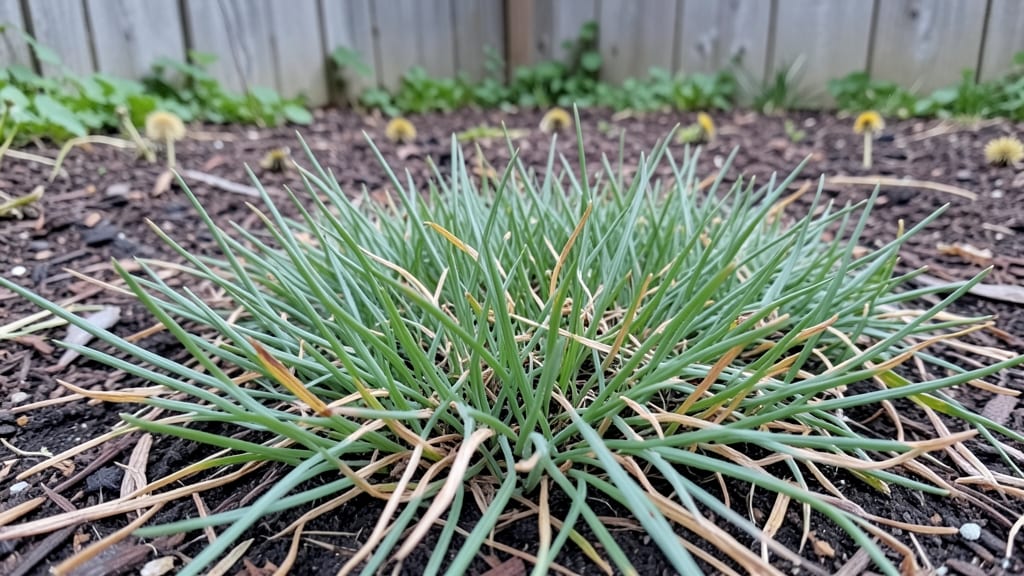
When your grass tips turn brown, it’s usually a cry for help—not a death sentence. 🌱 I’ve seen lawns go from crispy edges to lush green again by fixing just one overlooked issue, whether it’s water woes, hidden pests, or compacted soil.
The key is narrowing down the cause before jumping to treatments.
Start by checking moisture: if the tips feel dry and brittle, you’re underwatering (or overwatering, which suffocates roots). For fungal issues, look for a fuzzy white growth or spots—vinegar or salt sprays can tackle that naturally.
Soil compaction? A simple aeration session lets roots breathe again, and the difference shows in weeks.
Once you pinpoint the problem, solutions are straightforward: adjust your watering schedule, treat fungal spots with a homemade spray, or aerate in the fall. Prevention is even easier—test your soil yearly, mow high (3–4 inches), and avoid heavy foot traffic when the grass is wet.
With these fixes, you’ll see greener tips within a month, and your lawn will stay vibrant all season. The secret isn’t just treating symptoms—it’s giving your grass what it actually needs to thrive.
Root Causes of Grass Discoloration
When the tips of your grass turn brown, it’s usually a sign that something isn’t quite right—whether it’s environmental stress, poor maintenance, or hidden issues lurking beneath the surface. Understanding the why behind the browning is the first step to restoring your lawn’s vibrant green.
Below, we break down the most common culprits, backed by science, so you can diagnose and fix the problem effectively.
🌡️ Heat and drought stress
Grass is resilient, but extreme heat or prolonged drought can push it to its limits. When soil moisture drops below 40-50% of its water-holding capacity, grass blades start to wilting, and the tips turn brown as a survival mechanism.
This is especially true for cool-season grasses like Kentucky bluegrass or fescue, which struggle in scorching temperatures.
Why it happens:
- Water loss exceeds uptake: Grass roots shrink when soil dries out, reducing their ability to absorb water and nutrients. The tips, being the oldest part of the blade, brown first as the plant conserves resources.
- Cell membrane damage: High temperatures cause oxidative stress, breaking down chlorophyll and leading to necrosis (dead tissue) at the blade tips.
- Root zone compaction: Dry, hard soil restricts root growth, making it harder for grass to recover even when watered.
Actionable fix: Deep watering (1-1.5 inches per week) in the early morning helps roots absorb moisture before evaporation. Consider mulching with straw or leaf litter to retain soil moisture.
💧 Overwatering or poor drainage
Just as drought harms grass, excessive water can suffocate roots by displacing oxygen in the soil. Poor drainage—often caused by clay soil or compacted ground—traps water, leading to anaerobic conditions that turn grass tips brown.
Why it happens:
- Root asphyxiation: Waterlogged soil forces roots to respire inefficiently, producing toxic ethylene gas, which accelerates cell death.
- Fungal infections: Stagnant water creates the perfect environment for pathogens like Pythium or Fusarium, which attack blade tips.
- Nutrient leaching: Overwatering washes away essential nutrients (e.g., nitrogen, potassium) before roots can absorb them.
Actionable fix: Test your soil’s drainage by digging a 6-inch hole and filling it with water—if it drains in <30 minutes, it’s fine. If not, amend with sand or compost to improve aeration. Water deeply but infrequently (e.g., 2-3 times per week for 20-30 minutes).
⚗️ Nutrient deficiencies
Brown tips often signal a lack of key nutrients, particularly when they appear yellowish-brown or purplish. Grass is a heavy feeder, and imbalances—especially in nitrogen, iron, or potassium—can stunt growth and discolor blades.
Why it happens:
- Nitrogen (N) deficiency: Causes overall yellowing but often starts at the tips. Nitrogen is critical for chlorophyll production; without it, grass can’t photosynthesize efficiently.
- Iron (Fe) chlorosis: Brown tips with yellow veins indicate poor iron uptake, common in alkaline soils (pH > 7.0), where iron becomes insoluble.
- Potassium (K) deficiency: Leads to brown, crispy tips and weakens the grass’s osmotic balance, making it susceptible to drought and disease.
Actionable fix:
Symptom
Likely Deficiency
Solution
Uniform yellow-brown tips
Nitrogen (N)
Apply a balanced fertilizer (10-10-10) or compost.
Yellow veins, brown tips
Iron (Fe)
Use chelated iron or lower soil pH with sulfur or peat moss.
Crispy, brittle tips
Potassium (K)
Apply a potassium-rich fertilizer (e.g., greensand) or wood ash.
🪓 Physical damage or improper mowing
Aggressive mowing, dull blades, or scalping (cutting too short) can sever grass cells, exposing them to pathogens and stress. Brown tips may also result from traffic damage (e.g., pet urine, foot traffic) or mechanical injury (e.g., lawnmower blades).
Why it happens:
- Cell rupture: Mowing too short (<1 inch for cool-season grass) removes the leaf tip’s meristem (growth zone), stunting recovery.
- Pathogen entry: Cuts create wounds that invite bacteria or fungi, leading to necrotic browning.
- Compaction: Heavy foot traffic compresses soil, reducing oxygen and water flow to roots.
Actionable fix:
- Set mower blades to 1/3 of the grass’s height (e.g., 3 inches for fescue).
- Sharpen mower blades every 10-15 hours of use to prevent tearing.
- Aerate compacted areas with a core aerator in spring/fall.
- Water after mowing to flush out urine or salt from pet waste.
🐛 Pests and diseases
Brown tips aren’t always environmental—they can be a silent battle between your grass and hidden invaders. Insects like chinch bugs or grubs feed on roots, while diseases like brown patch or dollar spot target blade tips.
Why it happens:
- Root feeding: Grubs or sod webworms chew roots, reducing the grass’s ability to transport water and nutrients, leading to desiccation at the tips.
- Fungal infections: Pathogens like Rhizoctonia thrive in warm, humid conditions, creating brown, circular patches with feathery edges.
- Nematodes: Microscopic worms pierce roots, causing stunted growth and brown tips, especially in warm-season grasses.
Actionable fix:
- Inspect soil for grubs by digging a small section—if you find >5 grubs per square foot, apply beneficial nematodes or neem oil.
- For fungal issues, apply copper fungicide or baking soda spray (1 tbsp baking soda + 1 gallon water + a drop of dish
Quick Fixes for Brown Grass Tips
Brown grass tips can be frustrating, but the good news is that many causes have simple, effective solutions. Below, we’ve mapped out practical fixes based on the most common culprits—plus prevention tips to keep your lawn lush and green.
1. Fixing Drought or Underwatering
💧 Problem: Grass blades dry out, causing crispy brown tips. 🔧 Solution:
- Water deeply but less frequently—aim for 1–1.5 inches per week (including rain). Use a rain gauge or tuna can to measure.
- Water early in the morning (4–8 AM) to reduce evaporation and fungal risks.
- Check soil moisture—stick a screwdriver into the ground; if it goes in easily, water again.
💡 Pro Tip: Adjust sprinklers to avoid runoff. A soaker hose or drip irrigation delivers water directly to roots.
2. Overwatering or Poor Drainage
🌧️ Problem: Soggy soil suffocates roots, leading to brown, wilted tips. 🔧 Solution:
- Test drainage—dig a 6-inch hole, fill it with water, and time how long it takes to drain. If it sits for hours, improve soil with compost or sand.
- Aerate compacted soil using a core aerator (rent one or hire a pro) to let roots breathe.
- Reduce watering frequency—brown tips from overwatering often mean the grass isn’t getting enough oxygen.
✨ Quick Fix: Sprinkle perlite or coarse sand into the soil to boost drainage.
3. Nutrient Deficiency (Especially Nitrogen)
🌱 Problem: Yellowing or brown tips signal a lack of key nutrients. 🔧 Solution:
- Apply a slow-release nitrogen fertilizer (like milorganite or organic grass feed) in early spring or fall.
- Use compost or worm castings for a natural boost—spread a ¼-inch layer over the lawn and water in.
- Test your soil (DIY kits from garden centers work) to identify specific deficiencies (e.g., potassium or iron).
📊 Prevention Tip: Fertilize 4 times a year (spring, summer, fall) for consistent growth.
4. Fungal Infections (Brown Patch or Leaf Spot)
🍄 Problem: Circular brown patches or fuzzy growth on blades. 🔧 Solution:
- Improve airflow—mow high (3–4 inches) and avoid dense thatch buildup.
- Apply a fungicide (like copper fungicide or neem oil spray) if fungal signs appear.
- Water in the morning to let grass dry by evening—fungi thrive in damp conditions.
🔥 Emergency Fix: Mix 1 tsp baking soda + 1 quart water + a few drops of dish soap, then spray affected areas.
5. Salt or Chemical Burn
🧂 Problem: Brown, crispy tips from road salt, fertilizers, or herbicides. 🔧 Solution:
- Flush the soil with 2–3 inches of water to dilute salt buildup.
- Use organic fertilizers (like fish emulsion) to avoid chemical burns.
- Avoid winter salt—switch to calcium magnesium acetate or sand for traction.
💡 Prevention: Test soil pH (aim for 6.0–7.0) and adjust with lime (to raise pH) or sulfur (to lower it).
6. Mowing Too Short or Improperly
✂️ Problem: Stress from scalping grass weakens roots, causing brown tips. 🔧 Solution:
- Never remove more than ⅓ of the grass blade in one mowing.
- Keep blades sharp—dull mower blades tear grass, inviting disease.
- Mow high (3–4 inches) for deeper roots and drought resistance.
🌡️ Hot Weather Tip: Raise mower height in summer to shade soil and retain moisture.
7. Pest Damage (Grubs, Chinch Bugs, or Sod Webworms)
🐜 Problem: Irregular brown patches or chewed blades. 🔧 Solution:
- Inspect soil for grubs (dig a small patch; if you see white larvae, treat with beneficial nematodes or milky spore).
- Use insecticidal soap for soft-bodied pests like chinch bugs.
- Encourage natural predators—birds and toads love lawn pests!
🎯 Prevention: Overseed thin areas in fall to crowd out pests.
8. Disease from Improper Lawn Care
🦠 Problem: Brown tips spreading in patches or stripes. 🔧 Solution:
- Rake out dead grass to improve airflow.
- Avoid walking on wet grass to prevent spreading spores.
- Use a fungicide (like propiconazole) if needed, following label instructions.
🔪 Last Resort: If disease is severe, reseed the affected area with disease-resistant grass seed.
Prevention Checklist for Healthy Grass
✅ Water wisely (deep, infrequent sessions). ✅ Mow high and keep blades sharp. ✅ Fertilize seasonally (spring/fall). ✅ Test soil for pH and nutrients. ✅ Aerate and overseed thin or compacted areas. ✅ Monitor for pests/disease early.
Final Note: Most brown tips recover within 2–4 weeks with proper care. If the problem persists, dig up a small section to check roots—healthy roots mean your grass can bounce back! 🌱
Frequently asked questions
Why do grass tips turn brown in patches instead of all over?
Patchy browning usually signals localized stress—like fungal infections, grub damage, or soil compaction in specific areas. Check for irregular patterns: circular patches often mean disease (like brown patch), while scattered brown spots may indicate chinch bugs or uneven watering. Dig up a small section to inspect roots for pests or disease signs.
Can I use vinegar to fix brown grass tips?
Vinegar can help with fungal issues, but use it carefully! Mix 1 part white vinegar with 3 parts water and apply only to affected areas—never the whole lawn. Vinegar lowers soil pH, which may harm grass if overused. For general browning, focus on fixing watering or nutrient issues first. Test a small patch before full application.
How long does it take for grass to recover from brown tips?
With proper care, most grass recovers in 2-4 weeks. If the cause was drought or overwatering, improvements show within 7-10 days after adjusting watering. For nutrient deficiencies or fungal issues, recovery may take 3-6 weeks, especially if roots are damaged. Monitor soil moisture and avoid further stress during healing.
Is it safe to walk on grass with brown tips?
Only if the tips are dry and crispy (likely drought stress). Avoid walking on wet grass with brown patches—this spreads fungal spores and compacts soil further. If tips are soft or mushy (sign of disease), stay off entirely until treated. Wear shoes to prevent spreading problems to healthy areas.
Can I prevent brown tips without chemicals?
Start with proper mowing (3-4 inches high), deep watering (1-1.5 inches weekly), and seasonal compost top-dressing. Aerate compacted soil annually, and overseed thin patches. Natural predators (like ladybugs) control pests, while baking soda spray tackles mild fungal issues. Regular soil tests keep nutrients balanced.