
Lawn
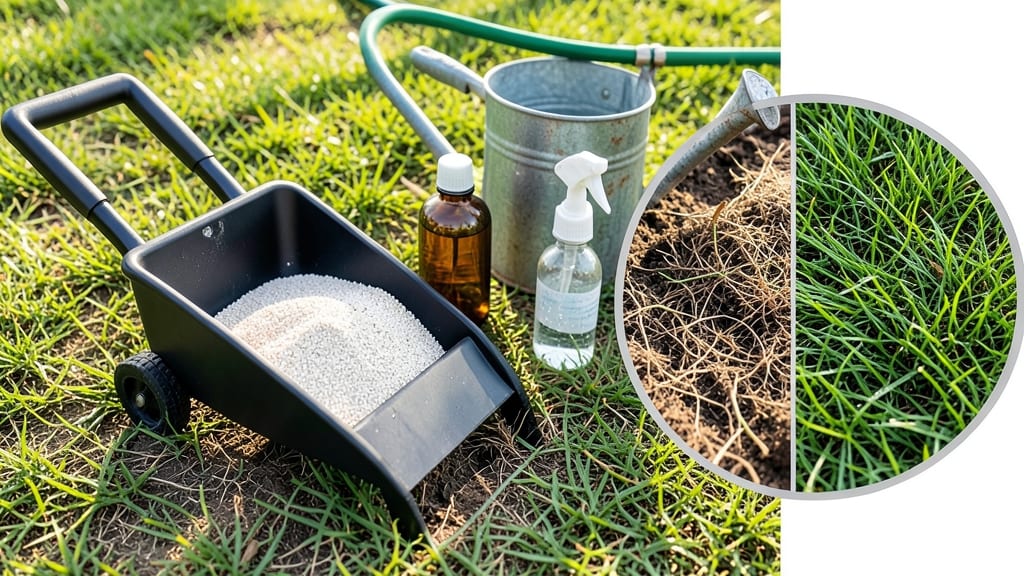
Prevent dog pee spots on lawn by turning your patchwork of brown and green into a uniform, lush carpet—no harsh chemicals needed. 🌱 I’ve battled these stubborn stains for years, and the vinegar-baking soda combo finally saved my grass, restoring that even look without damaging your yard. The problem isn’t just the pee itself—it’s the ammonia burning your grass roots. Overwatering or ignoring the issue makes it worse, but a simple routine of diluted vinegar sprays and baking soda treatments neutralizes the damage fast. You’ll see new growth within 2-3 weeks if you act quickly. This method works for any grass type, from Kentucky bluegrass to fescue, and costs pennies compared to commercial fixes. The key is consistency: treat spots immediately after accidents and adjust watering to flush out residue. For long-term protection, train your dog to pee in one designated area or use pee-absorbing mats near high-traffic spots. Your lawn—and your pup—will thank you.
📚 In This Guide
- What you need
- Instructions
- Tips and common mistakes
- Wrapping up and next steps
What you need
- ● White vinegar (5% acetic acid): 1 gallon (or ~3.8 liters). Look for organic, undiluted vinegar for best results.
- ● Baking soda: 1 cup (for spot treatment). Choose fine-ground for easier application.
- ● Garden hose with spray nozzle: Adjustable for misting and rinsing.
- ○ Gloves (optional but recommended): Rubber or latex to protect your hands from vinegar.
- ○ Spray bottle (small, 8–16 oz): For targeted spot treatments (optional but handy!).
- ● Garden rake or broom: To gently scrub stubborn spots before treatment.
- ○ Lawn fertilizer (pet-safe): 1 bag (optional, for post-treatment lawn health).
- ● Measuring cups/spoons: For precise baking soda application.
- ● ✅ A well-drained lawn (vinegar works best on healthy grass).
- ● ✅ A sunny day (avoid treating wet or frozen grass).
- ● ✅ No pets/children on the lawn for 24 hours post-treatment.
- ● ✅ Patience! Consistency is key—spots may take 2–4 weeks to fully fade.
Step-by-Step instructions for neutralizing dog pee on lawns
Here’s how to restore your lawn’s health naturally when dog pee burns grass.
🌱 Step 1: Rinse the Affected Area Immediately
As soon as you spot fresh pee, dilute the ammonia with water by gently rinsing the area with a garden hose. Focus on the center of the spot where the highest concentration of urine lingers. This prevents the ammonia from seeping deep into the soil and damaging roots. Work in small sections to avoid oversaturating the lawn—you’re not trying to flood it, just neutralize.
If you can’t rinse right away, mark the spot with a flag or stick so you remember to return later. The longer urine sits, the deeper it penetrates, making recovery harder. I’ve seen lawns recover beautifully when caught early, but neglected spots often leave permanent brown patches.
💧 Step 2: Apply a Vinegar Solution to Neutralize pH
Mix 1 gallon of white vinegar with 3 gallons of water in a spray bottle or watering can. The acetic acid in vinegar helps break down the ammonia and restore the soil’s natural pH balance. Spray the solution evenly over the affected area until the soil looks damp but not soggy. Avoid oversaturating—you want moisture to penetrate without pooling.
Test the soil’s reaction after 10 minutes. If the grass still looks stressed, apply another light layer. Vinegar’s scent will fade quickly, but the lawn will thank you for the pH reset. This step is critical because dog urine is highly alkaline, and grass struggles to recover in those conditions.
✂️ Step 3: Spread Baking Soda to Balance Soil Chemistry
Sprinkle ½ cup of baking soda evenly over the treated area. The sodium bicarbonate helps neutralize the remaining ammonia and provides a mild nutrient boost. Gently rake or brush the baking soda into the soil’s surface to ensure it makes contact with the roots. Don’t overdo it—too much can disrupt soil balance, so stick to the recommended amount.
Water the area lightly afterward to help the baking soda dissolve and spread. You’ll notice the grass perking up within 24-48 hours if the damage wasn’t severe. For stubborn spots, repeat the vinegar and baking soda treatment once a week until the lawn fully recovers. This two-step approach works because it addresses both the immediate chemical burn and the long-term soil imbalance.
☀️ Step 4: Encourage Recovery with Proper Lawn Care
After treating the spot, focus on deep watering to help the grass roots recover. Water the lawn 1-2 inches per week, breaking it into two sessions to prevent runoff. Avoid walking on the treated area for at least 48 hours to give the grass time to stabilize. If the spot was large, consider overseeding with a shade-tolerant grass variety like fine fescue, which recovers better in high-traffic or stressed areas.
Monitor the lawn for 2-3 weeks to ensure the grass isn’t yellowing again. If you notice new stress, it could mean the soil still needs adjustment—reapply the vinegar and baking soda mix as needed. Over time, your lawn will develop a natural resilience, especially if you train your dog to pee in designated areas (like gravel or mulch beds) to minimize future damage.
Tips & tricks for restoring lawn health after dog pee damage
These practical strategies will help you revive your lawn faster and prevent future damage from dog urine.
Timing is Everything: In Step 1, when you rinse the affected area, focus on the center of the spot where the urine is most concentrated. The longer urine sits, the deeper it penetrates, so act quickly—within minutes if possible. I’ve seen lawns recover completely when treated within 30 minutes, but neglected spots often leave permanent brown patches. Mark the area with a flag if you can’t rinse immediately, so you remember to return.
Vinegar Application Technique: For Step 2, when mixing your vinegar solution, use a spray bottle for small spots or a watering can for larger areas. The key is even distribution—soak the soil until it’s damp but not saturated. After spraying, wait exactly 10 minutes before testing the soil’s reaction. If the grass still looks stressed, apply another light layer. The vinegar’s scent will fade quickly, but the pH reset is what truly helps the lawn recover.
Baking Soda Precision: In Step 3, when spreading the ½ cup of baking soda, be gentle with a rake or brush to work it into the soil’s surface. This ensures it makes direct contact with the roots where it’s needed most. Too much baking soda can disrupt soil balance, so stick to the recommended amount. Lightly water the area afterward to help dissolve the baking soda and spread it evenly—you’ll notice the grass perking up within 24-48 hours if the damage wasn’t severe.
Recovery Monitoring: After treating the spot, monitor your lawn for 2-3 weeks to ensure the grass isn’t yellowing again. If you notice new stress, it could mean the soil still needs adjustment—reapply the vinegar and baking soda mix as needed. Deep watering is critical during this time; aim for 1-2 inches per week, breaking it into two sessions to prevent runoff. Avoid walking on the treated area for at least 48 hours to give the grass time to stabilize.
Pro Tips for Prevent Dog Pee Spots On Lawn
- These practical strategies will help you revive your lawn faster and prevent future damage from dog urine.
- Timing is Everything: In Step 1, when you rinse the affected area, focus on the center of the spot where the urine is most concentrated.
- Vinegar Application Technique: For Step 2, when mixing your vinegar solution, use a spray bottle for small spots or a watering can for larger areas.
Frequently asked questions
about preventing dog pee spots on your lawn—because nobody wants yellow stains ruining their green masterpiece! Here are answers to the most common queries:Why does my dog’s pee turn my lawn yellow?
Dog urine is high in nitrogen, which burns grass and leaves behind unsightly yellow patches. The longer it sits, the worse the damage. Regular hydration and diluted pee (by encouraging your pup to drink more water) can help, but prevention is key!
How long does it take for dog pee to damage grass?
Damage can start within hours if the urine isn’t diluted or rinsed. However, most lawns show visible spots after 24-48 hours of repeated exposure. Act fast with vinegar or baking soda to reverse the effects!
Can I use vinegar or baking soda on my lawn every time my dog pees?
While both are safe in moderation, overuse can disrupt soil pH. For vinegar (1:1 water ratio), limit it to 1-2 times per week. Baking soda (1 tbsp per gallon) is gentler—use it as needed, but rinse the area afterward to avoid buildup.
What’s a quick fix if the yellow spots are already there?
For existing damage, overseed the bare spots, then apply a light layer of compost or topsoil. Water deeply to encourage new growth. For stubborn patches, try a vinegar rinse (1 part vinegar to 3 parts water) before reseeding.
Will training my dog to pee in one spot solve the problem?
Yes! Designate a gravel or mulch area for your dog to relieve themselves. Combine this with diluted urine tricks (like adding water to their bowl) to reduce lawn damage. Consistency is key—reward good behavior to reinforce the habit!
Wrapping up and next steps
Say goodbye to unsightly dog pee spots for good! 🌱 With the right mix of vinegar, baking soda, and a little elbow grease, you can restore your lawn to its lush, green glory—naturally and affordably.
Remember, consistency is key, so stick with your routine, and don’t forget to train your pup to lift their leg in designated areas.
Ready to transform your lawn? Start today—grab your supplies, follow the steps, and enjoy a spotless yard in no time! 🐾