
Pruning
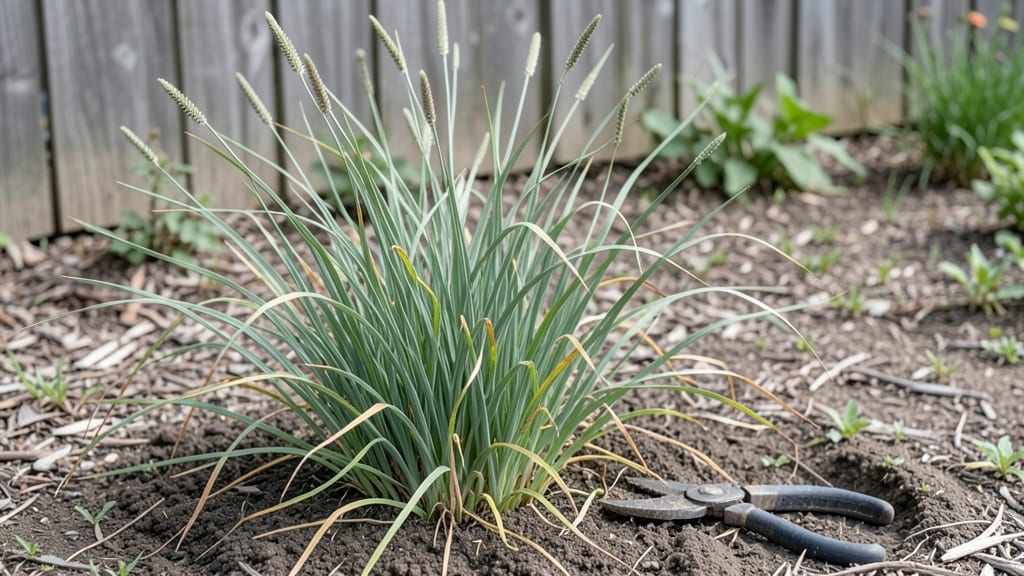
Trimming fountain grass isn’t just about cutting—it’s about resetting the plant for bold, year-round shape that makes your garden look intentional. I’ve learned the hard way that timing and technique make all the difference between a bushy, healthy clump and a sad, leggy mess.
The key is acting when the plant is dormant but before new growth starts—usually in late winter or early spring, depending on your zone.
You’ll need sharp pruning shears (dull blades tear leaves) and a clear morning to work. Cut back the entire plant by one-third to one-half its height—this removes dead growth and encourages fresh, compact regrowth.
For fountain grass, the goal is to shape it into a rounded form, not a flat-topped dome. Think of it like sculpting: the more you refine the outer edges, the cleaner the final look.
After trimming, step back and admire your work—you’ll notice how much lighter and airier the plant looks. The real magic happens in the weeks that follow: new shoots emerge from the base, filling in any gaps.
Water lightly after trimming to help the plant recover, but avoid overwatering, which can lead to rot. Within 4-6 weeks, your fountain grass will be lush and full again, ready to handle summer’s heat.
Here’s the secret I wish I’d known sooner: never trim in fall. Cutting back too late in the season removes the plant’s natural winter insulation, leaving it vulnerable to cold damage.
And if you’re dealing with a particularly overgrown specimen, don’t panic—just trim it back gradually over two sessions if needed. Patience is the real game-changer.
📚 In This Guide
- What you need
- Instructions
- Tips and common mistakes
- Wrapping up and next steps
What you need
- ● Heavy-duty pruning shears – Choose bypass pruners (8–10" blade length) for clean cuts on thick stems.
- ● Hedge shears or electric trimmer – Opt for a sharp, adjustable 12–18" model for large clumps (battery-powered for convenience).
- ● Pruning saw – A curved-tooth saw for stubborn, woody stems (10–12" blade).
- ● Gloves – Heavy-duty, cut-resistant (e.g., Mechanix or gardening-specific) to protect hands from sharp blades.
- ● Loppers – Bypass or anvil type (20–24" reach) for thicker growth.
- ● Wheelbarrow or tarp – To collect clippings (1–2 cubic yards capacity for medium-sized yards).
- ○ Pruning sealant – Optional but helpful for sealing large cuts (e.g., Tanglefoot Tree Wound Pruning Seal).
- ● Watering can or hose – For post-trimming hydration (5-gallon capacity recommended).
- ● Knee pads – For comfort during long sessions.
- ● Safety goggles – To shield eyes from debris.
- ● String or stakes – For marking trim lines if reshaping.
- ● Disinfectant spray – 70% isopropyl alcohol to clean tools between cuts.
Instructions for trimming fountain grass like a pro
Here’s how I keep fountain grass looking sharp all year—no guesswork, just clean lines and healthy growth.
Time Your First Cut for Spring Awakening
Wait until new growth emerges in early spring—usually 2-3 weeks after the last frost when soil warms to 50°F. This ensures you’re not cutting back the previous year’s growth, which provides winter protection. I look for 3-4 inches of fresh green shoots before reaching for the shears.
If you missed spring, don’t panic—just wait until late summer when growth slows. The key is avoiding hard frosts or dormant periods, as cutting then stresses the plant. For four plants, I dedicate 10-15 minutes per plant for the first trim, focusing on removing only the dead or browned foliage at the base.
Shape with Precision Using Clean Cuts
Use sharp, clean pruners or hedge shears to make 45-degree angled cuts just above a leaf node (the bump where leaves attach). This encourages bushier growth. I start by removing up to one-third of the plant’s height—never more—to avoid shocking it. For fountain grass, I aim for a rounded, tapered shape, wider at the base and narrowing toward the top.
Work in sections, trimming outward from the center to maintain balance. If a plant grows unevenly, I trim the tallest stems first to even things out. Avoid cutting into the hard, woody center—this won’t regrow. For four plants, I step back every few minutes to check symmetry, adjusting as needed.
Maintain Through the Growing Season
After the initial trim, lightly shape the plant every 4-6 weeks during the growing season. Focus on removing only the top 10-15% of growth to keep it tidy without stunting new shoots. I use a handheld trimmer for quick touch-ups, always cutting just above a leaf node to encourage branching.
In late summer, I reduce watering slightly before the final trim of the year. This helps harden the plant for winter. For four plants, I spend 5-10 minutes per plant during maintenance, focusing on removing any seed heads (if present) and shaping the plumes for a polished look.
Prepare for Winter with a Strategic Cutback
Before the first hard frost, I cut back the plants by 50% to 4-6 inches tall. This removes weak, floppy growth and prevents snow from weighing down the foliage. I leave the lower stems intact—they provide insulation for the crown. For four plants, this takes about 20 minutes total, and I dispose of the clippings to reduce disease risk.
In very cold climates, I mulch the base with 2-3 inches of shredded bark to protect the crown. This step is optional but helps four plants survive winter with less stress. I avoid cutting back in fall if frost is imminent, as new growth won’t harden in time.
Tips & tricks for perfect fountain grass trimming
Mastering the art of fountain grass maintenance transforms your landscape from ordinary to extraordinary. These precision-focused tips will help you achieve that polished, professional look without sacrificing plant health.
Timing is Everything: The 10-15 minutes you spend per plant during the initial spring trim makes all the difference. Focus on removing only the dead or browned foliage at the base—this preserves the plant's energy stores for new growth. I've learned the hard way that cutting into healthy green tissue shocks the plant, so always wait for those fresh 3-4 inch shoots before reaching for your shears. The 50°F soil temperature guideline is your best indicator that the plant is ready for its first haircut of the year.
The Technique That Changed Everything: When shaping your fountain grass, work in sections from the center outward to maintain perfect balance. I can't stress enough how important it is to make those 45-degree angled cuts just above a leaf node—this simple technique encourages bushier growth and prevents that unsightly woody center from dominating. For four plants, I step back every few minutes to check symmetry, adjusting as needed. This visual check ensures you're creating that elegant tapered shape rather than ending up with lopsided clumps.
Seasonal Strategy: The 4-6 week maintenance schedule during the growing season is non-negotiable for keeping your fountain grass looking its best. During late summer, that slight reduction in watering before the final trim helps harden the plant for winter. I've found that spending just 5-10 minutes per plant during these touch-ups pays off dramatically—removing those seed heads and shaping the plumes gives you that refined, manicured appearance that makes all the difference in your landscape.
Winter Preparation: That 20-minute total time for cutting back four plants before the first hard frost might seem like a lot, but it's an investment in next year's growth. The key is reducing height by 50% while leaving those lower stems intact—they act as natural insulation for the crown. In very cold climates, the optional mulching with 2-3 inches of shredded bark provides that extra layer of protection that can mean the difference between thriving plants and winter casualties.
Pro Tips for Trimming Fountain Grass
- Mastering the art of fountain grass maintenance transforms your landscape from ordinary to extraordinary.
- Timing is Everything: The 10-15 minutes you spend per plant during the initial spring trim makes all the difference.
- The Technique That Changed Everything: When shaping your fountain grass, work in sections from the center outward to maintain perfect balance.
Frequently asked questions
Got questions about keeping your fountain grass looking its best? Here are some common ones—and their answers—to help you trim with confidence!
When is the best time to trim fountain grass?
Trim fountain grass after it blooms (late summer to early fall) to maintain shape. Lightly shape it in spring to encourage fresh growth, but avoid heavy cuts. For year-round appeal, trim lightly every 4–6 weeks to prevent overgrowth.
How short can I cut fountain grass without harming it?
Never cut more than 1/3 of the plant’s height at once. Fountain grass thrives with regular maintenance—aim to leave at least 6–12 inches of foliage, depending on the variety. Over-trimming weakens the plant and reduces its fluffy, cascading appeal.
What if my fountain grass looks ragged after trimming?
Ragged edges? Use sharp pruners or shears for clean cuts, not dull blades. For a polished look, trim in layers (start at the top, then work downward). If the grass looks stressed, skip heavy trims and focus on shaping instead.
Can I trim fountain grass in winter?
Minimal trimming in winter is fine, but avoid drastic cuts. Cold weather slows growth, so focus on removing dead foliage or lightly shaping. In harsh climates, mulch the base to protect roots—trimming can wait until spring.
Are there alternatives to shears for trimming fountain grass?
Yes! Try hedge trimmers for larger plants or electric grass shears for precision. For a natural look, use hand pruners to snip individual stems. Avoid lawnmowers—they can damage the plant’s delicate structure.
Wrapping up and next steps
Trimming fountain grass isn’t just about keeping your yard neat—it’s an art that rewards you with year-round beauty and healthy growth. Whether you’re a seasoned gardener or just starting, the key is consistency and the right technique.
With sharp tools, patience, and a little know-how, your fountain grass will thrive and become the standout feature of your landscape.
Ready to take the next step? Pick a day with calm weather, grab your tools, and give your fountain grass the care it deserves. Your garden will thank you with lush, vibrant foliage all season long! 🌿✨