
Lawn
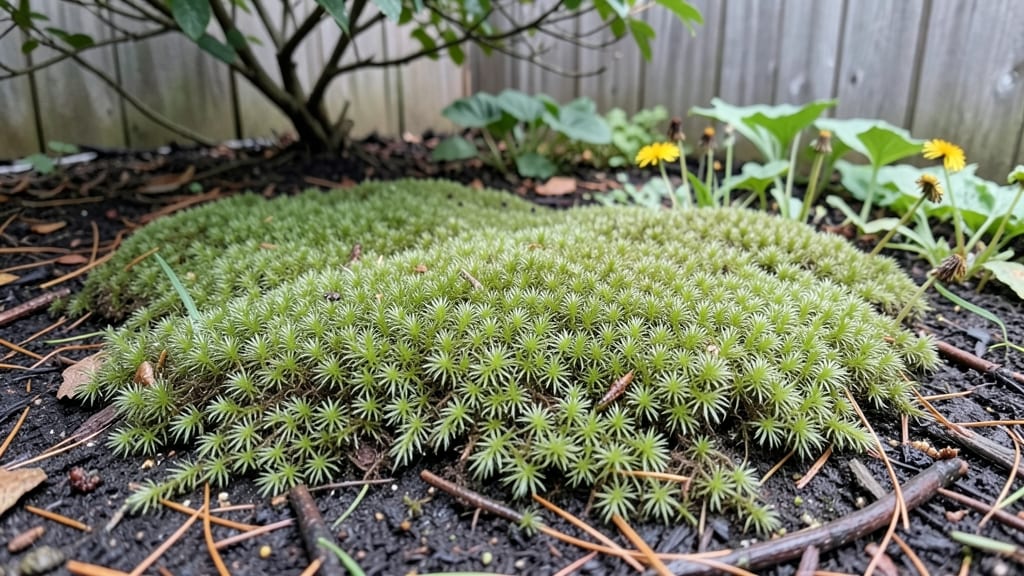
Moss in lawns thrives where grass struggles—shady, damp corners that feel like a lost cause. 🌿 I’ve spent years watching it creep in after neglecting drainage or letting soil get too acidic, and the truth is, it’s not just unsightly—it’s a sign your lawn’s basic needs aren’t being met.
The real culprits are simple: too little sunlight, excess water that lingers, compacted soil that can’t breathe, and acidic conditions that favor moss over grass.
My own lawn’s moss problem vanished after I aerated the worst spots, spread lime to adjust pH, and planted shade-tolerant fescue where sunlight was weak.
What you’ll get from fixing this isn’t just a cleaner lawn—it’s thicker grass, better drainage, and soil that finally supports what you want growing there. The key is acting before moss takes over completely; once it’s established, it’s harder to kick out for good.
This works for any lawn, whether you’re dealing with a perpetually soggy backyard or just those stubborn patches under trees. Let’s turn those mossy spots into grassy ones for good.
Why it happens
Moss isn’t just a stubborn green nuisance—it’s a thriving opportunist that exploits specific conditions in your lawn. Understanding why it takes over helps you outsmart it before it spreads. Here’s the science-backed breakdown of what invites moss into your yard:
🌧️ Poor Drainage: Moss Loves Standing Water
Moss thrives in waterlogged soil because it absorbs moisture directly through its leaves, unlike grass, which relies on roots. When your lawn has:
- Clay-heavy soil that repels water instead of absorbing it, creating a soggy surface.
- Compacted ground from foot traffic or heavy machinery, preventing oxygen and water from penetrating.
- Low-lying areas where water pools after rain or irrigation.
Result? Moss gets a hydration head start while grass struggles to survive. Actionable fix: Test your soil’s drainage with a simple percolation test (dig a 12-inch hole, fill with water, and time how long it drains—ideal is 4+ hours). Amend with organic matter like compost or sand to improve aeration.
☀️ Shady Conditions: Grass Needs Sun
Most lawn grasses require 4–6 hours of direct sunlight daily to photosynthesize and outcompete moss. In shady spots:
- Grass weakens due to lack of energy from sunlight.
- Moss flourishes because it grows in low light using photosynthetic pigments (like phycobilins) that grass lacks.
- Humidity lingers in shaded areas, creating a damp microclimate moss adores.
💡 Pro tip: If you can’t remove shade (e.g., from trees), choose shade-tolerant grasses like Fine Fescue or Kentucky Bluegrass varieties labeled for low-light conditions. Alternatively, consider ground covers or mulch in heavily shaded patches.
🧪 High Soil Acidity: The pH Factor
Moss prefers acidic soil (pH 4.5–6.0), while most lawn grasses thrive in neutral to slightly alkaline soil (pH 6.0–7.5). When your soil is too acidic:
- Grass roots struggle to absorb nutrients like nitrogen and phosphorus.
- Moss releases organic acids that further lower pH, creating a feedback loop.
- Fungi and bacteria favor acidic conditions, weakening grass roots.
📊 Test your soil’s pH with a DIY kit (available at garden centers) or send a sample to a lab. If pH is below 6.0, amend with lime (calcium carbonate)—apply 10–20 lbs per 1,000 sq ft based on severity. Re-test in 6 months.
🌱 Thin or Dead Grass: Moss Fills the Gaps
Moss doesn’t just replace grass—it replaces any bare soil. When your lawn has:
- Thin patches from drought, disease, or poor seeding.
- Dead spots caused by pet urine, foot traffic, or fungal infections.
- Weak roots due to over-fertilization or improper mowing.
Moss spores land and germinate within days, forming a dense mat that blocks sunlight from reaching soil—smothering grass seeds. Actionable fix: Overseed bare areas in fall (ideal temps: 60–75°F) with high-quality grass seed and a starter fertilizer (high in phosphorus). Keep soil moist until germination (10–21 days).
🍂 Lack of Maintenance: Moss Exploits Neglect
Moss spreads fastest in lazy lawns. Common oversights include:
- Infrequent mowing—tall grass shades soil, creating a moss-friendly microclimate.
- No aeration—compacted soil traps moisture and blocks grass roots.
- Overwatering—keeps soil saturated longer than grass can handle.
- No dethatching—a thick thatch layer (½ inch+) traps moisture and blocks air flow.
🔥 Quick wins: Mow regularly (never remove more than ⅓ of grass blade), aerate once a year (rent a core aerator or hire a pro), and dethatch if needed (use a rake or vertical mower in early spring).
Fixing Mossy Lawns for Good
Moss may seem like a harmless green carpet, but it’s actually a sign your lawn needs attention. The good news? With the right approach, you can banish it for good and restore a lush, healthy grassy space.
Below, we’ve matched the most common causes of moss to practical, step-by-step fixes—plus prevention tips to keep it from creeping back.
🌱 Fix Shady Spots & Poor Sunlight
If moss thrives in your lawn, it’s likely because grass isn’t getting enough sunlight. Moss loves shade, while most grass varieties need at least 4–6 hours of direct sun daily.
🔥 Step 1: Thin Out Overgrown Trees or Shrubs
- Trim branches to let more sunlight reach the ground.
- Avoid aggressive pruning in late summer—focus on early spring or fall.
- Pro Tip: 💡 If trees are mature and can’t be removed, consider shade-tolerant grass varieties like fine fescue or creeping red fescue.
🍳 Step 2: Rake & Aerate to Improve Airflow
- Use a lawn rake to remove moss and debris from shaded areas.
- Aerate compacted soil in spring or fall to help grass roots access sunlight and nutrients.
- Pro Tip: 🌡️ The cooler, damper months (spring/fall) are ideal for aeration—avoid doing it in summer heat.
🌿 Step 3: Overseed with Sun-Loving Grass
- Choose cool-season grasses (like Kentucky bluegrass or tall fescue) for better shade tolerance.
- Spread seed in early fall when temperatures are mild and moisture is high.
- Pro Tip: ✨ Use a starter fertilizer with phosphorus to help seeds germinate faster.
💦 Drain Waterlogged Areas
Moss loves soggy soil because it thrives in moisture. If your lawn stays damp for long periods, it’s an open invitation for moss to move in.
👨🍳 Step 1: Improve Drainage with Sand or Compost
- Test soil drainage: Dig a small hole, fill it with water, and time how long it takes to drain. If it takes more than 6 hours, your soil is too compacted.
- Mix in sand or organic compost (50/50 ratio) to loosen heavy clay soil.
- Pro Tip: 🎯 For severe drainage issues, consider installing French drains or swales (shallow trenches) to redirect water.
⏰ Step 2: Adjust Watering Habits
- Water deeply but infrequently—aim for 1–1.5 inches per week (including rain).
- Water in the early morning to reduce evaporation and fungal risks.
- Pro Tip: 🔥 Avoid walking on wet grass to prevent soil compaction, which worsens drainage.
🔪 Step 3: Remove Moss with Vinegar or Iron Treatments
- For small areas, spray a vinegar solution (1 part white vinegar to 1 part water) to kill moss naturally.
- For larger patches, use a ferrous sulfate or iron-based moss killer (follow label instructions).
- Pro Tip: 🌡️ Apply treatments on a cool, overcast day to prevent grass damage from sun exposure.
🌡️ Boost Soil pH & Fertility
Moss often takes over when soil is acidic (pH < 6.0) or lacks nitrogen, which grass needs to outcompete it.
🍳 Step 1: Test & Adjust Soil pH
- Use a soil test kit (available at garden centers) to check pH.
- If pH is below 6.0, apply lime (calcium carbonate) in early fall.
- Pro Tip: 💡 For a quick fix, sprinkle wood ash (sparingly) to raise pH slightly.
💪 Step 2: Fertilize for Stronger Grass
- Apply a balanced fertilizer (10-10-10 or 16-4-8) in early spring and fall.
- For nitrogen-loving grasses, use a slow-release fertilizer to avoid burning.
- Pro Tip: 🥗 Avoid over-fertilizing—too much nitrogen can lead to thatch buildup, which moss loves.
🌱 Step 3: Overseed & Top-Dress
- After treating moss, overseed bare spots with high-quality grass seed.
- Top-dress with a thin layer of compost or peat moss mix to improve soil structure.
- Pro Tip: ✨ Use a slit seeder for better seed-to-soil contact in compacted areas.
🛡️ Prevent Moss from Returning
Once you’ve kicked moss to the curb, keep it away with these long-term strategies:
- ✅ Mow high (3–4 inches) – Taller grass shades out moss and develops deeper roots.
- ✅ Dethatch annually – Remove thatch buildup (¼ inch or thicker) to improve airflow and water penetration.
- ✅ Choose the right grass – Opt for dense, competitive grasses like perennial ryegrass or tall fescue.
- ✅ Monitor moisture – Fix drainage issues and avoid overwatering.
- ✅ Aerate & fertilize regularly – Healthy grass is the best moss deterrent!
With these targeted fixes, your lawn will go from mossy mess to green machine in no time. The key is consistency—tackle one issue at a time, and soon, moss won’t stand a chance! 🚀
Frequently asked questions about lawn moss
Why does moss grow in patches instead of everywhere?
Moss thrives in specific conditions like shady, damp areas where grass struggles. It targets spots with poor drainage, compacted soil, or thin grass cover. Think of it like a lawn opportunist—it only spreads where grass can't compete.
Can moss actually harm my grass?
Yes! Moss creates a dense mat that blocks sunlight and air from reaching soil, smothering grass roots. It also lowers soil pH over time, making conditions worse for grass. Left unchecked, it can kill grass entirely in affected areas.
Is vinegar safe to kill moss without damaging grass?
Vinegar works best in small areas but can harm grass if overused. For spot treatments, mix 1 part white vinegar with 1 part water and apply carefully. For larger lawns, iron-based moss killers are safer for grass. Always test a small area first.
How often should I aerate to prevent moss?
Aerate once a year in spring or fall for most lawns. Compacted soil traps moisture and blocks grass roots—moss's favorite conditions. Rent a core aerator or hire a pro if your lawn has heavy foot traffic or clay soil.
Will lime really fix acidic soil problems?
Lime raises soil pH, creating conditions where grass thrives and moss struggles. For most lawns, apply 10-20 lbs of lime per 1,000 sq ft in early fall. Test your soil first to determine the exact amount needed.