
Plants
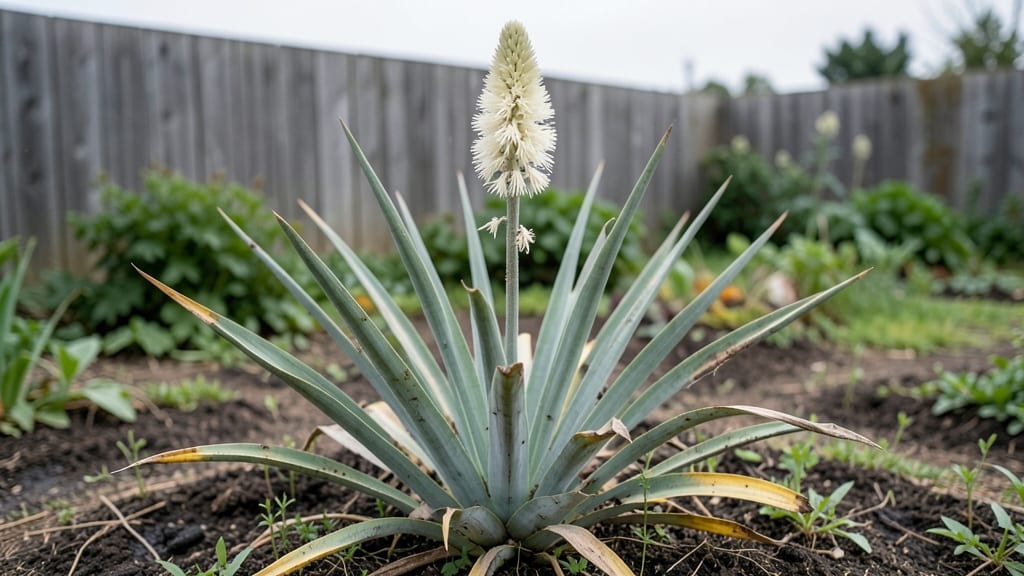
Bear grass is a perennial plant native to North America, known for its long, sword-shaped leaves and edible flower stems, often harvested in spring by foragers and wildlife like bears. Its roots are fibrous and medicinal, while the shoots resemble asparagus in taste.
Bear grass—scientifically classified as Nolina or Yucca depending on the region—is actually a type of succulent rather than a true grass. 🌱 The plant's striking, arching leaves can grow up to 3 feet long, while its edible flower stalks emerge in late spring, offering a mild, slightly sweet flavor similar to asparagus or young onions.
Unlike its toxic look-alikes (like lily of the valley), bear grass thrives in USDA zones 4-9 and prefers well-drained soil, making it a hardy addition to gardens or foraging spots.
Foragers prize bear grass for its dual uses: the young shoots can be eaten raw or lightly cooked, while the roots have been used traditionally for their anti-inflammatory properties. 💛 The plant's resilience and edibility make it a favorite among wild food enthusiasts, though proper identification is critical—always cross-check with local botanical guides before harvesting.
💡 In This Article
- Bear Grass Plant Identification and Growth Habits
- Edible Uses of Bear Grass in Cooking and Traditional Medicine
Bear grass plant identification and growth habits
Bear grass belongs to two primary genera: Nolina (common in the eastern U.S.) and Yucca (more prevalent in the Southwest), both part of the Asparagaceae family. 🌿 The plant's most striking feature is its fan-shaped rosette of sword-like leaves that grow 1-3 feet long and ¼-½ inch wide, with a slightly waxy, blue-green hue.
These leaves emerge from a thick, fibrous base that can live for decades, forming dense clumps in ideal conditions. The key identifier is the parallel venation and sharp, rigid edges—unlike toxic look-alikes like lily of the valley, which have smooth, rounded leaves and aromatic stems when crushed.
The flowering process is equally distinctive.
In late spring (typically May-June), a single, unbranched stalk emerges, reaching 3-6 feet tall, topped with a bottlebrush-like cluster of white or cream-colored flowers. 🌸 These blooms attract pollinators like bees and hummingbirds, but the real forager's prize is the young, unopened flower bud—when steamed or sautéed, it tastes like asparagus with a hint of onion.
The plant's growth cycle is tied to USDA hardiness zones 4-9, thriving in full sun to partial shade and well-drained, rocky or sandy soils, often found in prairies, woodlands, or mountainous regions up to 8,000 feet elevation.
What sets bear grass apart from its dangerous doppelgängers is its lack of milky sap (a hallmark of toxic plants like milkweed) and non-aromatic leaves when crushed. 🚨 Lily of the valley, for example, releases a sweet, cloying scent and has bell-shaped flowers, while bear grass emits no odor and features straight, upright growth.
The roots—often fibrous and woody—can reach 2-3 feet deep, anchoring the plant in xeric (dry) conditions where other species would struggle. This adaptability explains why bears (and humans) rely on it as a spring food source when little else is available.
Seasonal changes dramatically alter the plant's appearance. In spring, new shoots push through the ground, while summer sees rapid leaf growth and flower stalk development. 🌱 By fall, the flower stalks die back, but the leaves remain evergreen in warmer climates, turning a duller green in colder zones.
The roots continue expanding underground, storing nutrients for the next growing season. This perennial lifecycle makes bear grass a low-maintenance garden plant, though it spreads slowly via offsets (small plantlets forming at the base).
Foragers should harvest only 1-2 young shoots per plant to ensure sustainability—over-harvesting can kill the crown.
One fascinating adaptation is the plant's drought resistance. Bear grass stores water in its thick, fleshy leaves, a trait shared with succulents like agave. 💧 This allows it to survive months without rain, making it a keystone species in arid ecosystems.
The fibrous roots also prevent soil erosion, while the leaves provide shelter for small animals. This ecological role explains why Native American tribes, including the Cherokee and Lakota, considered bear grass sacred—it was both food and medicine, used to treat wounds, fevers, and digestive issues.
The roots were boiled into teas, while the leaves served as bandages due to their anti-inflammatory properties.
If you're identifying bear grass in the wild, focus on these three critical markers:
- Leaf shape: Rigid, sword-like, with parallel veins (not smooth or rounded)
- Flower structure: Single, unbranched stalk with bottlebrush flowers (not clustered or bell-shaped)
- Growth habit: Forms dense clumps from a fibrous base (not spreading via rhizomes like grass)
Always cross-reference with a field guide—mistaking bear grass for yucca (which is edible but less tender) or lily of the valley (highly toxic) can have serious consequences. 🌿 When in doubt, consult a local botanist or foraging group, as regional variations exist.
The plant's silent resilience—thriving where others fail—is what makes it both a survival staple and a garden gem.