
Plants
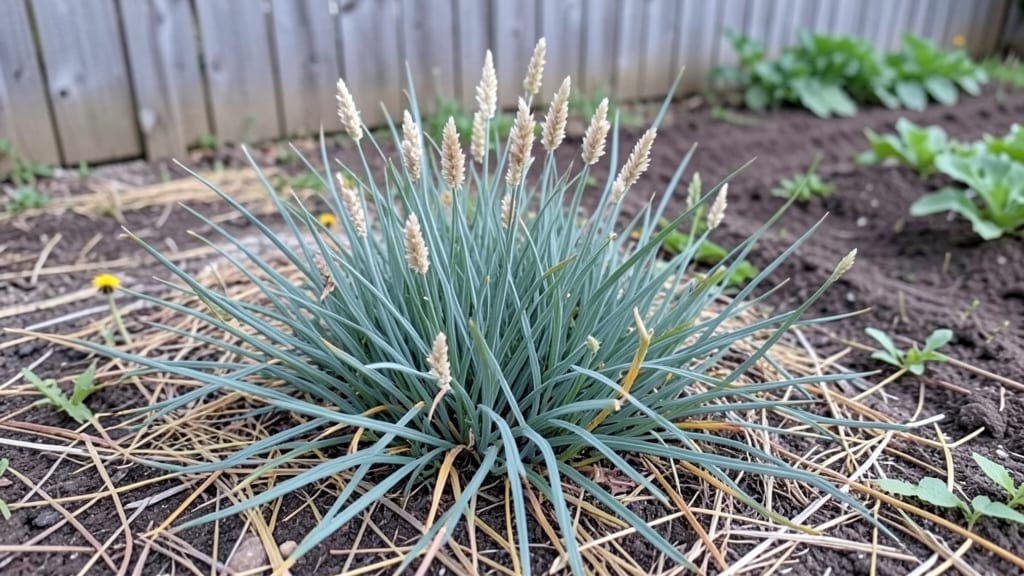
Pet grass refers to fast-growing, non-toxic plant varieties like wheatgrass or oatgrass specifically cultivated indoors to satisfy pets' natural grazing instincts while offering nutritional benefits such as fiber and digestive enzymes.
Pet grass isn't just a toy—it's a natural solution for pets who love to nibble. 🌱 These easy-to-grow varieties mimic the texture of outdoor grass, giving cats and dogs a safe outlet for their chewing urges. Unlike household plants, pet grass is completely non-toxic, making it ideal for curious pets.
The best part? You can grow it in shallow trays right on your kitchen counter, with most varieties sprouting within days. I've seen my own pets go from destructive chewing to happily munching on their own grass patch within weeks.
What makes pet grass especially useful is its dual purpose: it satisfies your pet's instincts while also providing some nutritional perks. The young shoots contain natural enzymes that can aid digestion, though it shouldn't replace a balanced diet.
For maximum safety, always choose certified pet-safe varieties and avoid using pesticides or fertilizers that could harm your furry friends.
💡 In This Article
- Safe Pet Grass Varieties and Their Growing Conditions
- How to Plant and Maintain Pet Grass for Long-Term Use
Safe pet grass varieties and their growing conditions
When selecting pet grass, the first distinction to make is between varieties safe for cats versus dogs, though most common types are non-toxic for both. Wheatgrass and oatgrass are the most popular choices, prized for their rapid growth (3-5 days to sprouting) and mild flavor that pets find appealing.
These grasses contain no harmful alkaloids or toxins—unlike many common houseplants—which makes them ideal for indoor cultivation. The key to their safety lies in their botanical classification as Poaceae family grasses, which have evolved to be palatable and digestible for herbivores.
For cats specifically, barley grass is often recommended due to its slightly higher protein content (12-15% compared to wheatgrass's 8-10%), which aligns better with feline dietary needs.
Dogs, meanwhile, tend to prefer the softer texture of ryegrass, which grows to about 6-8 inches tall and has a finer blade that's gentler on their teeth.
The non-toxicity stems from these grasses' lack of saponins (found in some ornamental grasses) and oxalates (common in leafy greens), which can cause irritation or kidney issues in pets.
The ideal growing conditions create a miniature meadow environment. Place your grass tray in a spot receiving 12-16 hours of indirect sunlight daily—think east-facing windows or under grow lights set to 10,000-15,000 lux.
Use a shallow tray (1-2 inches deep) with well-draining potting mix (avoid garden soil) to prevent waterlogging, which can lead to mold. Maintain humidity around 40-60% by lightly misting twice daily, as these grasses thrive in moist but not soggy conditions. 🌱
Temperature plays a crucial role too: most pet grasses grow best between 60-75°F, with wheatgrass being the hardiest and tolerating cooler conditions down to 50°F. The growth medium should remain consistently moist but never waterlogged—think of a wrung-out sponge.
For maximum pet appeal, harvest when blades reach 3-5 inches tall, as this is when the fiber content peaks while remaining tender enough for chewing. The young shoots contain the highest concentration of digestive enzymes like protease and amylase, which is why pets instinctively prefer this stage.
One common misconception is that all pet grasses are interchangeable. While they share similar growing requirements, their textures and flavors vary slightly. For example, ryegrass has a slightly sweet, nutty taste that dogs often adore, while cats typically prefer the sharper, more grass-like flavor of wheatgrass.
This is why many pet owners grow multiple varieties—it caters to individual preferences and prevents boredom. The non-toxic nature extends beyond ingestion; even if your pet chews the roots or soil, these grasses won't cause gastrointestinal upset, unlike many commercial pet toys that contain plastic or chemical fillers.
For optimal pet safety, always source seeds labeled specifically for "pet grass" or "cat grass," as these are tested for purity and free from contaminants. Avoid using grass seed mixes intended for lawns, which may contain weed seeds or chemical treatments.
The growing process itself is remarkably low-maintenance: once established, these grasses regrow quickly after each harvest, making them a sustainable solution for pet owners. 💫