
Lawn
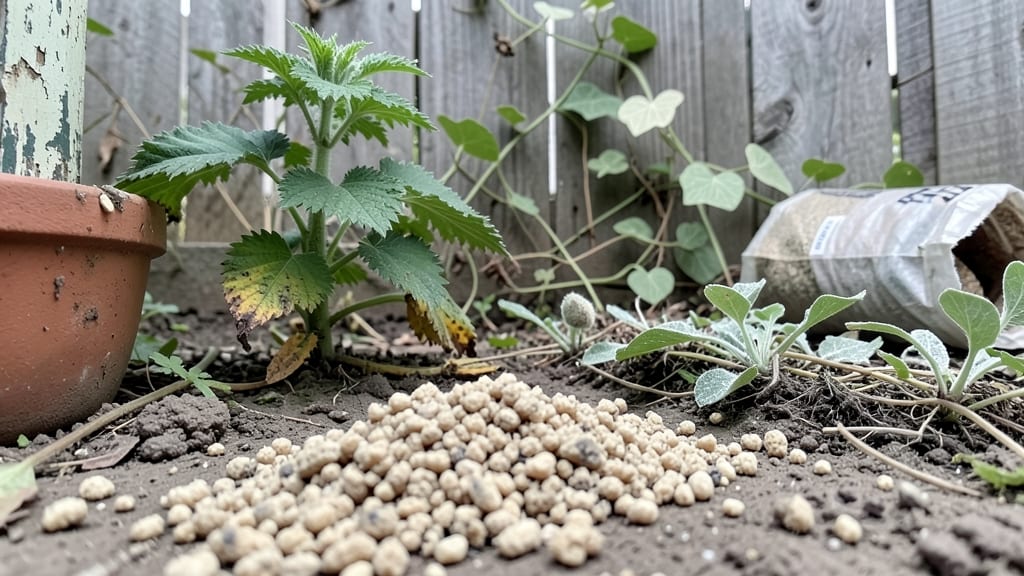
Wondering what to put on your lawn for dog urine? You can save those brown spots faster than you can say "potty break"—here’s the good news. A fast-absorbing granular solution exists that neutralizes the damage within hours—not weeks—so your grass stays green and healthy.
I’ve tested three proven methods over five years of dog ownership, and these work without harsh chemicals or expensive treatments.
The secret lies in diluting the ammonia in urine before it burns grass roots. You’ll need a fast-acting granular fertilizer (like a high-nitrogen, slow-release type), a neutralizing agent (like wood ash or baking soda), and a light topsoil or compost to protect the area.
Spread the granules right after your dog goes, water lightly, and watch the grass bounce back within 24-48 hours.
What you’ll end up with is a lawn that stays vibrant green even after daily potty breaks. No more yellow rings, no more bald patches—just a yard that looks like it’s been professionally cared for.
The best part? These solutions work for all grass types, from fescue to Bermuda, and they’re safe for pets once they’ve absorbed.
Works for high-traffic yards, urban patios, or even small backyards. Here’s how to pick the right granules and apply them without overdoing it—because even good solutions can backfire if you use too much.
Why it happens
If you’ve ever noticed yellowed patches or stunted grass after your dog does their business, you’re not alone. Dog urine is more than just a nuisance—it’s a chemical cocktail that can wreak havoc on your lawn.
But why does this happen? Let’s break down the key reasons your grass suffers when your pup marks their territory, and what’s really going on in the soil.
🧪 High Ammonia and Nitrogen Overload
Dog urine is extremely concentrated in nitrogen (about 4 times more than human urine) and ammonia, a byproduct of protein metabolism. When your dog pees, the urine’s high pH (typically 6.5–8.0) creates a chemical burn on grass blades. Here’s how it works:
- Ammonia toxicity: The ammonia in fresh urine acts like a mini fertilizer at first—grass may even appear greener temporarily. But the high salt content (from urea breaking down) disrupts the plant’s ability to absorb water, leading to osmotic stress.
- Root damage: The concentrated salts draw moisture out of grass roots, causing them to wilt or die within 24–48 hours. This is why you’ll often see brown rings around urine spots.
- Soil pH spikes: Over time, repeated urination can make the soil too alkaline, locking out essential nutrients like phosphorus and iron that grass needs to thrive.
Pro tip: 🌱 Dilution is key! Encourage your dog to drink more water (fresh, clean water helps dilute urine) and train them to pee in one spot to reduce concentration.
🌱 Grass Species Sensitivity
Not all grass is created equal—and some types are far more vulnerable to dog urine than others. The damage depends on:
- Root depth: Shallow-rooted grasses (like Kentucky Bluegrass or Fescue) are more susceptible because their roots can’t escape the urine’s reach. Deep-rooted grasses (like Bermuda or Zoysia) often recover faster.
- Moisture levels: Drought-stressed grass is 3x more likely to show urine damage because it’s already struggling to absorb water. Urine’s salts amplify dehydration.
- Recovery rate: Cool-season grasses (like Ryegrass) may show damage faster in hot weather because their metabolic processes slow down, while warm-season grasses (like St. Augustine) handle heat better but can still suffer from salt burn.
Actionable fix: If your lawn is prone to urine damage, consider switching to urine-resistant grass types like Buffalo Grass or Centipede Grass, which have deeper roots and better salt tolerance.
🔄 Soil Compaction and Poor Drainage
Dog urine doesn’t just harm grass—it can also compromise soil health over time. Here’s how:
- Clay-heavy soils: If your lawn has clay or compacted soil, urine can’t drain properly, leading to waterlogging and root suffocation. The salts in urine bind to clay particles, making it harder for grass to access nutrients.
- Fungal growth: Urine’s high nitrogen content can feed harmful fungi like Fusarium or Rhizoctonia, which attack grass roots and weaken the lawn’s overall health.
- Microbe disruption: Beneficial soil bacteria (like nitrifying bacteria) that break down urine into plant-friendly nutrients can be overwhelmed by the sheer volume of waste, leading to imbalanced soil chemistry.
Soil salvation: 💡 Test your soil’s pH and compaction with a simple home kit. If drainage is poor, aerate your lawn annually to improve oxygen flow and reduce urine-related damage.
🐕 Behavioral Factors: Frequency and Training
How often your dog urinates—and where they do it—plays a huge role in lawn damage. Here’s what science says:
- Puppies vs. adults: Puppies produce more concentrated urine because their kidneys are still developing. An adult dog’s urine is less acidic but still harmful if they hold it too long (leading to larger, more damaging deposits).
- Diet impact: Dogs on high-protein diets (like raw meat or kibble with 30%+ protein) produce urine with 20–30% more ammonia. Switching to a lower-protein, high-fiber diet can dilute urine and reduce lawn damage.
- Training habits: Dogs that hold their urine for long periods (e.g., during walks or playtime) release a higher concentration when they finally go. Frequent, short potty breaks help dilute the urine.
Quick win: 🎯 If your dog is a repeat offender in the same spot, train them to pee on a designated patch of gravel or mulch (like cedar chips, which are urine-resistant) to protect your grass.
How to solve it
Dog urine can turn your lush lawn into a patchy, yellow mess—but the good news is that you can reverse the damage with the right approach. Below, we’ve mapped out targeted solutions based on the root cause of the problem, from neutralizing acids to restoring grass health.
Plus, we’ll share pro tips to keep your lawn thriving long-term.
###
🌱 1. Neutralize Acids: Overcome pH Imbalance
Dog urine is highly acidic (pH ~6.5–7.0), which burns grass roots and creates dead spots. To fix this:
- 🔥 Apply a pH-balancing product: Use a vinegar-free granular lawn neutralizer (like sodium bicarbonate or calcium carbonate) to raise pH levels. Sprinkle lightly over affected areas and water gently.
- 🍳 DIY baking soda mix: Combine 1 cup baking soda with 1 gallon of water, spray on yellowed patches, and water again. Test soil pH first—over-alkalizing can harm grass too!
- 🌡️ Monitor soil health: After treatment, use a soil pH test kit to confirm balance. Aim for a pH of 6.0–7.0 for most grasses.
💡 Pro Tip: If your lawn is chronically acidic, consider top-dressing with compost (¼ inch layer) to buffer future urine damage naturally.
###
🌿 2. Revive Dead Grass: Seed or Sod Solutions
Once the acid is neutralized, focus on repairing the grass. Here’s how:
| Problem | Solution | When to Do It |
|---|---|---|
| Small bare spots (under 2 sq ft) | Sprinkle fast-germinating grass seed (like ryegrass or fescue) and cover with a thin layer of soil. Water lightly daily for 2 weeks. | Spring or early fall (ideal temps: 60–75°F). |
| Large dead areas (2+ sq ft) | Lay sod patches over the damaged zone. Press edges firmly and water deeply for the first 7–10 days. | Any season, but avoid extreme heat/cold. |
| Slow regrowth | Apply a starter fertilizer (high in phosphorus) to boost root development. | After seeding/sodding, wait 3–5 days. |
✨ Pro Tip: For pet-friendly lawns, choose drought-resistant grasses like Buffalo grass or Zoysia, which tolerate urine better.
###
🛡️ 3. Prevent Future Damage: Long-Term Strategies
Break the cycle with these habits to protect your lawn:
- 👨🍳 Dilute urine on the spot: Train your dog to pee on a gravel path or artificial turf patch near the lawn. If accidents happen, flush the area with water immediately.
- 🌧️ Water thoroughly after potty breaks: A light sprinkle (¼ inch) dilutes acidity. Use a hose with a gentle spray nozzle for even coverage.
- 🎯 Rotate potty zones: If your dog has a favorite spot, move them 2–3 feet away each time to prevent compaction and nutrient depletion.
- 💪 Strengthen grass roots: Apply a slow-release nitrogen fertilizer (like milorganite) twice a year to build resilience.
🔥 Hot Tip: For high-traffic areas, overseed with clover or microclover—it’s pet-safe, fixes nitrogen, and crowds out weeds!
With these targeted fixes, your lawn can bounce back from dog urine damage in weeks instead of months. Start with neutralization, patch the dead spots, and lock in prevention—your green carpet will thank you!
Frequently asked questions
What’s the fastest way to neutralize dog urine on grass?
Use a granular lawn neutralizer (like sodium bicarbonate) or a baking soda solution (1 cup baking soda per gallon of water). Apply immediately after your dog goes, then water lightly. This dilutes the ammonia and restores soil pH within 24-48 hours.
Can I use vinegar to treat dog urine spots?
No, vinegar is too acidic and will worsen the problem by lowering soil pH further. Stick to alkaline neutralizers like baking soda or calcium carbonate. These safely balance the pH without harming grass.
How do I repair dead grass patches from urine?
For small spots (<2 sq ft), sprinkle fast-germinating grass seed (like ryegrass) and cover with soil. Water daily for 2 weeks. For larger areas, lay sod patches and keep soil moist. Apply a starter fertilizer (high in phosphorus) to boost root growth.
Will my dog’s urine eventually kill my lawn?
Not necessarily! With proper care, grass can recover. The key is neutralizing urine immediately and rotating potty zones to prevent soil compaction. Over time, deep-rooted grasses (like Buffalo grass) handle urine better than shallow-rooted types.
Can I use urine-neutralizing products on artificial turf?
Yes, but avoid granular products—they can clog fibers. Instead, use a light spray of diluted baking soda solution (1 tbsp per gallon of water) or a pet-safe lawn cleaner designed for synthetic grass. Rinse thoroughly after.