
Fertilization
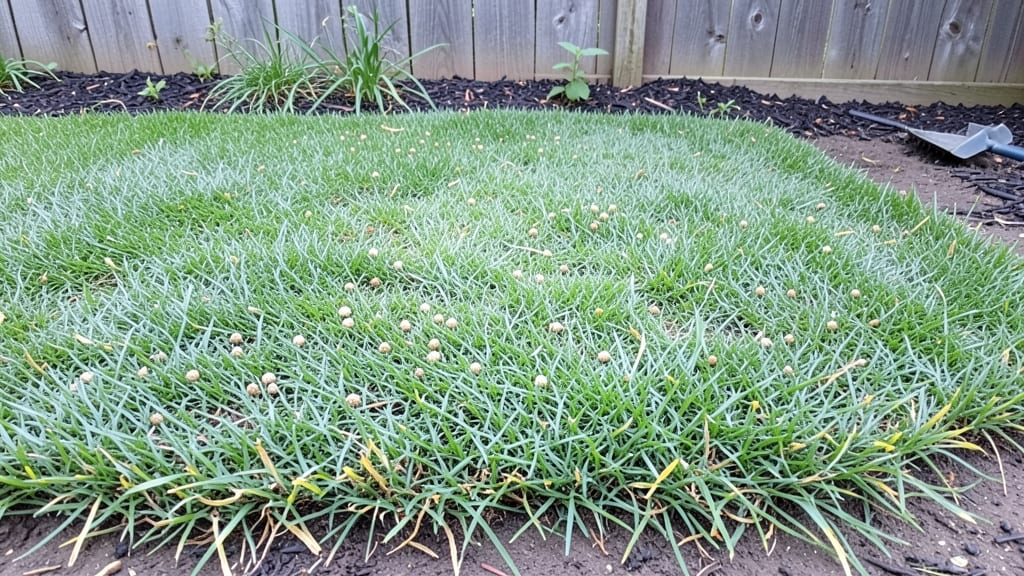
To fertilize Zoysia grass, aim for early spring (March–April) and late summer (August–September) to support vigorous growth, while soil tests help tailor nutrient blends and adjust timing based on local weather patterns and grass condition.
Timing matters because Zoysia grass goes dormant in winter and needs a nutrient boost to wake up strong in spring. 🌱 The late-summer feeding helps it recover from summer stress and store energy for winter.
I’ve seen dramatic differences in grass density when fertilizing at these key windows—skipping either can leave your lawn thin or patchy. For best results, pair your schedule with a soil test to avoid over- or under-fertilizing, especially in regions with extreme heat or drought.
Pro tip: Use a slow-release fertilizer in spring and a quick-release one in late summer to match Zoysia’s growth cycles. This two-phase approach ensures nutrients are available when the grass needs them most, without wasting resources.
💡 In This Article
- Zoysia Grass Fertilization by Growth Stages
- Soil Testing and Fertilizer Type Guide for Zoysia
Zoysia grass fertilization by growth stages
Zoysia grass thrives on a fertilization schedule that mirrors its natural growth cycles, which are driven by temperature and daylight. In early spring, as soil temperatures rise above 60°F, the grass breaks dormancy and begins rapid root development.
This is when nitrogen uptake peaks—Zoysia can absorb up to 50% more nitrogen in these first 6-8 weeks of growth compared to other seasons. The key here is timing: fertilizing too early (when soil is still cold) wastes nutrients, while waiting too long misses the root-building window.
Late summer fertilization serves a different purpose—it’s about recovery. After months of heat stress, Zoysia’s growth slows as it prepares for dormancy. A quick-release fertilizer applied in August-September provides an immediate boost to repair heat damage and thicken blades before winter.
Unlike spring, summer feeding focuses on lower nitrogen levels (0.25-0.5 lbs per 1,000 sq ft) to avoid promoting late-season growth that could weaken before cold weather. The trade-off? Too little fertilizer leaves the grass vulnerable to winter kill, while too much risks burning delicate summer foliage.
Drought and heat stress can completely disrupt this schedule. In regions with prolonged dry spells, delay summer fertilization until after 1 inch of rain has fallen to prevent salt buildup in the soil.
I’ve seen cases where homeowners in Arizona had to push summer feeding to October to avoid stressing their lawns further. The rule of thumb: always check soil moisture—if the top 2 inches are dry, hold off until conditions improve. This patience pays off in thicker, more resilient grass come spring.
Another critical factor is fertilizer type. Slow-release granules work best in spring because they match Zoysia’s gradual nutrient needs during root establishment. Think of it like a steady drip irrigation system—consistent but controlled.
In contrast, liquid fertilizers in summer provide an instant hit for recovery, similar to how IV fluids work in medicine: rapid delivery when the body needs it most.
The science here involves nitrification rates—spring’s cooler temps slow bacterial conversion of ammonia to nitrate, making slow-release ideal, while summer’s heat speeds up the process, justifying quick-release options.
What most people don’t realize is how regional climate overrides these general rules. In Southern states, where winters are mild, Zoysia might need a third feeding in early fall to capitalize on extended growing seasons. Conversely, in Northern regions, a single late-summer application may suffice.
The secret weapon? Your local cooperative extension service—they provide hyper-local adjustments based on 10-year climate averages for your area. This level of precision turns guesswork into science.
For visual learners, imagine Zoysia’s growth like a three-act play: Act 1 (spring) is about building the foundation, Act 2 (summer) repairs the damage, and Act 3 (fall/winter) is the quiet season of preparation.
Each act requires different nutrients at different intensities. Skipping either act weakens the whole performance—your lawn’s density and color will reflect whether you’ve followed the script or improvised. 🌿