
Lawn
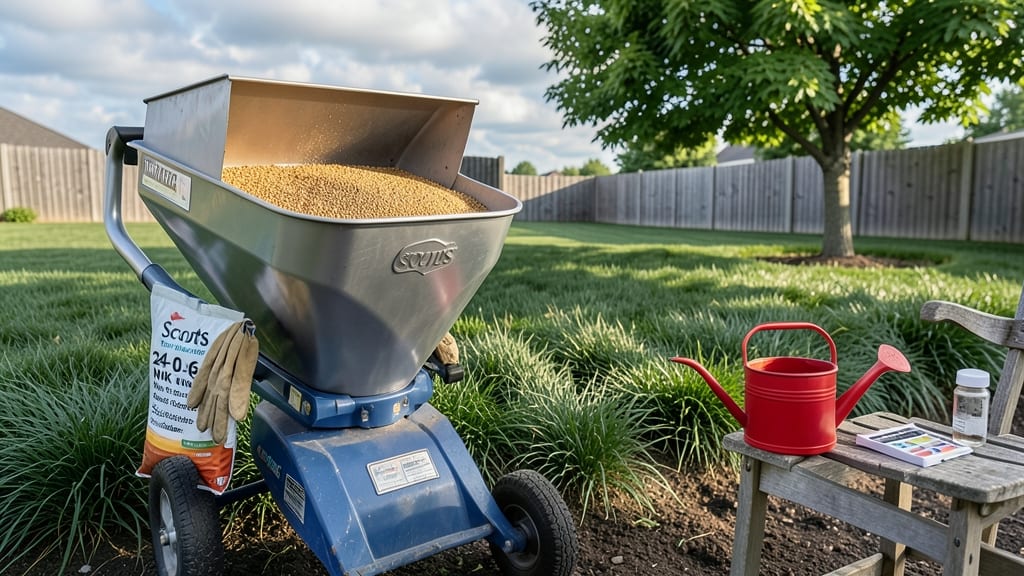
Fertilizing your lawn in Chicago at the right times is the key to beating the city’s tough growing seasons and keeping your grass thick year after year.
Chicago’s harsh winters and unpredictable springs can leave your lawn struggling—unless you fertilize at the perfect times. Missing these key windows means weaker grass, more weeds, and a lawn that never recovers from the city’s tough growing conditions.
Cool-season grasses like Kentucky bluegrass and fescue thrive in Chicago’s 5b climate, but they need a strategic feeding schedule to handle frost, drought, and seasonal shifts. Too early, and you waste fertilizer; too late, and your lawn stays thin and patchy.
In this guide, I’ll walk you through the 3-step seasonal schedule—when to feed, how much to use, and what to watch for—so your lawn stays lush from spring through fall without overdoing it.
Chicago’s ideal fertilization timeline: month-by-month breakdown for cool-season grasses
Chicago’s cool-season grasses like Kentucky bluegrass and fescue thrive when fertilized at the right times, but our unpredictable weather makes timing everything. A missed window can leave your lawn weak, patchy, and vulnerable to weeds.
The key is aligning fertilization with soil temperatures, growth cycles, and Chicago’s frost dates—typically April 15 for last frost and October 20 for first frost.
Most homeowners overlook the early spring and late fall as critical periods, yet these are when your grass recovers fastest from winter stress. Summer fertilizing? Only if you’re using slow-release formulas to avoid burning grass in 90°F+ heat.
Let’s break down the month-by-month schedule that keeps your lawn lush year-round.
📅 Pro Tip: Always test your soil’s pH (ideal: 6.0–7.0) before fertilizing. Chicago’s acidic soils often need lime adjustments first. Use a soil test kit ($15–$20) from local garden centers like Peace Tree Farm or The Growing Place.
| Month | Task | Fertilizer Type | Notes |
|---|---|---|---|
| January–February | None | — | Grass is dormant; avoid winter fertilizing. |
| March | Light feed | High-nitrogen (24-0-5) | Apply when soil temps hit 45°F+; use pre-emergent if crabgrass is a problem. |
| April | Full feed | Slow-release (30-0-4) | Best time for spring green-up; water deeply after applying. |
| May–June | Light feed | Iron supplement (if yellow) | Avoid heavy nitrogen; focus on weed control. |
| July–August | Light feed (optional) | Slow-release only | Only if grass shows heat stress; water deeply first. |
| September | Full feed | High-phosphorus (10-20-10) | Strengthens root growth before winter. |
| October–December | None | — | Grass goes dormant; stop fertilizing by October 15. |
Your April fertilization is the most critical—this is when your grass breaks dormancy and needs high nitrogen to recover from winter. Use a slow-release formula like Scotts Turf Builder or Milorganite to avoid nutrient spikes that burn roots. Apply when daytime temps consistently stay above 50°F.
Chicago’s summer droughts (common in
Signs your Chicago lawn needs fertilizer (and when to skip it)
Chicago’s cool-season grasses like Kentucky bluegrass and fine fescue thrive with proper nutrition, but they also show clear nutrient deficiency signs when they’re lacking. After a long winter, your lawn may look patchy or dull—these are red flags that it’s time to fertilize.
However, not every symptom means you should reach for the fertilizer. Salt damage from winter de-icing or soil compaction from heavy foot traffic can mimic nutrient issues, so it’s crucial to diagnose correctly before applying anything.
Start by checking for yellow patches that don’t green up after mowing. These often indicate nitrogen deficiency, a common issue in Chicago’s acidic soil.
If your lawn has thin, sparse areas where weeds like clover or dandelions are taking over, that’s another sign your grass isn’t getting the nutrients it needs to outcompete them. Moss growth in shady spots is also a clue—it thrives in low-nitrogen conditions and acidic soil, both of which can be improved with the right fertilizer.
Chicago-specific triggers like salt buildup from road de-icing or compacted soil from heavy snow removal can make your lawn look unhealthy even when it’s not starving for nutrients. Before fertilizing, test your soil’s pH level (Chicago’s soil is often 6.0–7.0) and check for salt damage by looking for brown, crispy grass near driveways or sidewalks. If these issues are present, address them first—fertilizer won’t help if the root problem is salt burn or compaction.
When to Fertilize Your Chicago Lawn
✅ Fertilize When...
- Yellow patches persist after mowing
- Thin spots appear with weed invasion
- Soil test shows low nitrogen (N) or pH < 6.0
- Moss spreads in shady areas
- Grass grows slowly despite good sunlight
❌ Skip Fertilizing When...
- Salt damage is present (brown, crispy grass near driveways)
- Soil is compacted or waterlogged
- Grass shows fungal signs (white patches, discoloration)
- Lawn was fertilized within 6–8 weeks
- Weather forecast includes heavy rain or drought
If your lawn has brown, straw-like grass that doesn’t bounce back after watering, it might be suffering from over-fertilization rather than a deficiency. Burnt-looking patches or grass that grows too quickly and then collapses are classic signs of too much fertilizer.
Chicago’s hot summers can also cause grass to go dormant, which looks like a nutrient issue but is actually the plant conserving water. Always water deeply after fertilizing to help nutrients absorb and avoid burning your lawn.
For Chicago’s unique conditions, timing matters just as much as the fertilizer itself. Apply a slow-release fertilizer in early spring (April) to support new growth after winter dormancy, and again in early fall (September) to strengthen roots before the first frost.
Avoid fertilizing in late summer or winter—your lawn won’t benefit, and you risk burning it or encouraging late-season growth that won’t survive the cold.
Remember, a healthy Chicago lawn starts with proper diagnosis. If you’re unsure whether your grass needs fertilizer or just some TLC (like aeration or overseeding), take a soil sample to a local extension office or use a home test kit.
Addressing compaction or pH imbalances first can save you money and keep your lawn lush without overdoing it on nutrients.