
How To
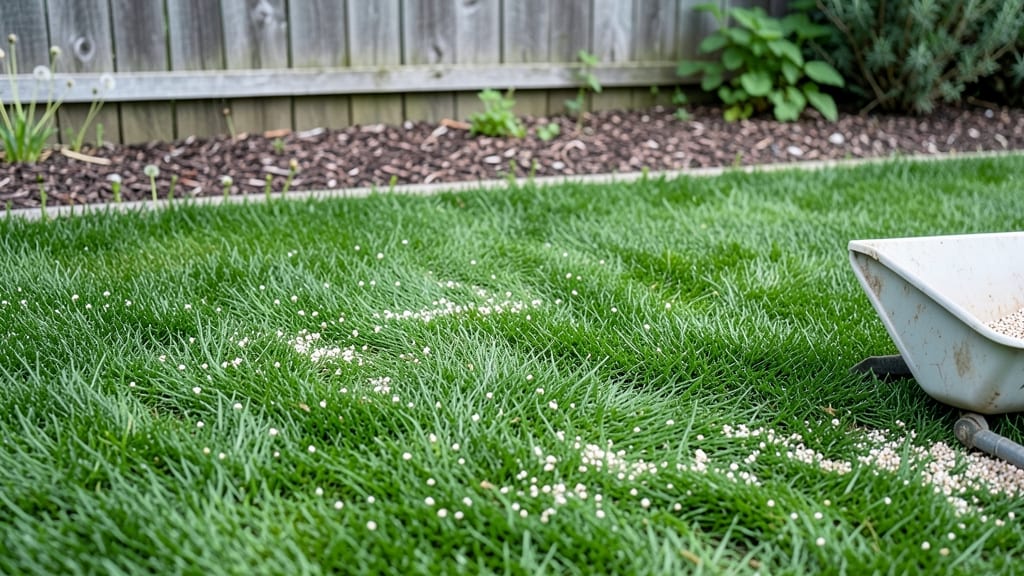
The best time to fertilize grass is early spring and late fall for cool-season varieties, while warm-season grasses respond best to fertilization in early spring and summer. Climate zones and grass types determine the ideal schedule.
Timing your fertilizer application aligns with your grass's natural growth cycle.
Cool-season grasses like Kentucky bluegrass and fescue peak in spring and fall, while warm-season varieties such as Bermuda and zoysia need nutrients when temperatures rise. 🌱 I always check my local frost dates—applying fertilizer too early can waste nutrients, while waiting too long reduces effectiveness.
Soil temperature plays a huge role: aim for 55°F or warmer for warm-season grasses and 40-50°F for cool-season types.
Pro tip: Pair fertilization with soil testing to avoid overdoing it. A simple at-home kit reveals your lawn's nutrient needs, helping you choose between quick-release and slow-release options.
For example, slow-release fertilizers work well in late summer for warm-season grasses, while cool-season lawns benefit from a fall application to build root strength before winter.
💡 In This Article
- How Grass Growth Cycles Affect Fertilization Timing
- Seasonal Fertilizer Application Checklist by Grass Type
How grass growth cycles affect fertilization timing
Grass growth follows distinct biological cycles triggered by temperature shifts, which directly impact when nutrients are most effectively absorbed.
Cool-season grasses like Kentucky bluegrass and fescue enter their peak growth phase when soil temperatures reach 40-50°F in early spring and late fall, while warm-season varieties such as Bermuda and St. Augustine grass thrive when soil temperatures exceed 65°F in late spring through summer.
This temperature sensitivity explains why fertilization timing varies dramatically between regions—Northern climates favor fall applications, while Southern lawns benefit from summer feeding.
The key mechanism is photosynthesis efficiency, which accelerates when temperatures align with a grass type's optimal range. For cool-season grasses, early spring fertilization provides essential nitrogen as they emerge from winter dormancy, while late fall applications strengthen root systems before cold sets in.
Warm-season grasses, however, require fertilization when daytime temperatures consistently exceed 80°F, as their growth slows below 55°F. This biological rhythm means applying fertilizer during dormancy periods wastes resources—roots simply can't absorb nutrients when growth pauses.
Regional climate zones create additional variables. In the Northern US, where winters are harsh, cool-season grasses receive three fertilization applications: early spring, late summer, and fall. Southern climates with mild winters often extend warm-season grass feeding into early fall.
For example, in USDA Zone 7, Bermuda grass may need four applications (March, May, July, September), while Kentucky bluegrass in Zone 5 thrives with just two (April and October). The rule of thumb: fertilize when your grass is actively growing but before extreme heat or cold stress occurs.
Dormancy plays a critical role in nutrient absorption. When grass enters dormancy—typically below 50°F for cool-season types or above 90°F for warm-season varieties—fertilizer application becomes ineffective. This is why late fall feeding for cool-season grasses works: roots remain active until frost, allowing nutrient uptake before winter.
In contrast, summer fertilization for warm-season grasses must occur before temperatures exceed 95°F, when photosynthesis slows and roots become stressed. Understanding these thresholds helps avoid common mistakes like over-fertilizing in summer or under-feeding in early spring.
Soil temperature is the ultimate arbiter of success. Use a soil thermometer to verify conditions—cool-season grasses need 40-50°F soil temps for root growth, while warm-season types require 65°F+. In transitional zones like Zone 6, where both grass types coexist, timing becomes especially delicate.
Here, I recommend splitting applications: feed cool-season grasses in early spring, then shift to warm-season varieties once soil temperatures stabilize above 60°F. This staggered approach prevents nutrient competition between grass types.
What most people overlook is how fertilizer type interacts with growth cycles. Slow-release fertilizers work best during peak growth periods (spring/fall for cool-season, summer for warm-season), while quick-release options are ideal for rapid uptake during transitional months.
For instance, a high-nitrogen quick-release fertilizer in early spring jumpstarts cool-season grass growth, whereas a balanced slow-release blend in late summer maintains warm-season grass health without risking winter burn. 🌱