
Lawn
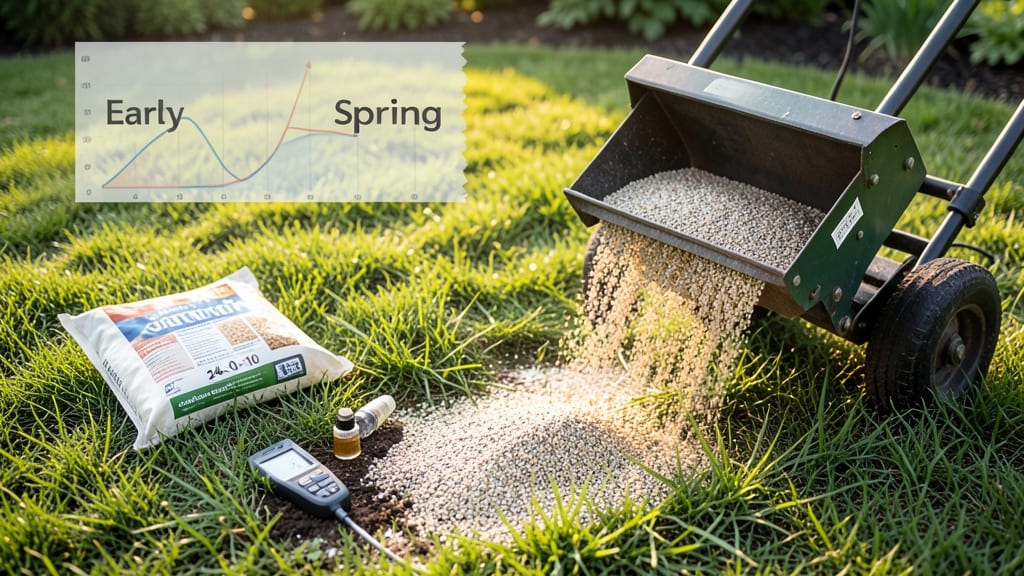
The best times to fertilize your lawn are early spring and late fall for most regions, as these periods align with active grass growth cycles. Warm-season grasses respond well to spring/summer feeding, while cool-season varieties benefit most from fall applications. Always consider your local climate and grass type for the most effective results.
Timing matters because grass growth is driven by temperature and daylight cues. 🌱 Cool-season grasses like fescue and bluegrass grow most actively in spring and fall when temperatures are moderate, while warm-season types such as Bermuda and Zoysia peak during summer months.
I've found that fertilizing during these growth windows ensures nutrients are absorbed efficiently, leading to stronger roots and thicker blades. The key is matching your grass type to the season when it naturally thrives.
Your local climate plays a huge role too. Northern regions with cold winters should focus on early spring applications to kickstart growth after dormancy, while southern areas with mild winters may benefit from late winter feedings.
For drought-prone zones, consider slow-release fertilizers to prevent nutrient runoff and stress on the lawn during dry spells.
💡 In This Article
- How Grass Growth Cycles Determine Fertilizer Timing
- Climate-Specific Lawn Fertilization Schedules
How grass growth cycles determine fertilizer timing
Grass growth is fundamentally driven by two key biological triggers: temperature and daylight hours. Cool-season grasses like Kentucky bluegrass and tall fescue enter their most active growth phase when daytime temperatures rise to 50-65°F in spring and 60-75°F in fall.
This temperature range triggers cellular division in the root zone, which is why early spring applications (March-April in most regions) provide the perfect nutrient boost as the grass emerges from winter dormancy.
The increased daylight hours during these periods also stimulate chlorophyll production, giving your lawn that vibrant green color we all crave. 🌱
Warm-season grasses like Bermuda and Zoysia behave completely differently—they go dormant in cooler months and only become active when soil temperatures consistently reach 65°F or higher. This typically happens in late spring/early summer, making May-June the ideal window for their first feeding.
The challenge here is that warm-season grasses grow aggressively during summer heat, so fertilizing too early can stress them before they're ready.
I've seen lawns in the Southeast where homeowners applied fertilizer in April only to watch their Bermuda grass develop yellow patches from nutrient overload before it could establish proper root systems.
The science behind nutrient absorption is fascinating. Grass roots absorb nutrients most efficiently when they're actively growing, which is why timing matters so much.
For cool-season grasses, late fall applications (September-October) are equally important because the nutrients get stored in the roots over winter, giving you a head start in spring. This is called "overwintering"—think of it like giving your lawn a vitamin shot before hibernation.
Warm-season grasses, however, need their summer feeding to support rapid top growth and heat tolerance, with a second application in early fall to strengthen roots before winter.
Daylight length plays a surprising role too. Grass growth slows dramatically when daylight drops below 12 hours, which happens in late fall. This is why cool-season grasses benefit from fall fertilization—they're still photosynthesizing actively but preparing for dormancy, so they can store those nutrients for spring.
The reverse happens in spring when increasing daylight triggers growth hormones. This is why you'll see professional lawn care schedules always include both spring and fall feedings for cool-season grasses, creating a two-application cycle that mirrors their natural growth patterns.
One common mistake I see is trying to fertilize during summer dormancy periods. When warm-season grasses go dormant in fall, their roots are already storing carbohydrates, and adding fertilizer can actually burn the roots or promote weak growth that won't survive winter.
The same goes for cool-season grasses in summer—they're essentially in a metabolic slowdown, so nutrients just sit there unused. This is why understanding your grass type's growth cycle is the single most important factor in successful fertilization. 💡
Consider this real-world example: In Minnesota, where I've worked with many lawn care clients, Kentucky bluegrass lawns get their first feeding in early May when soil temperatures hit 55°F, followed by a second application in early September.
The same lawn in Florida would get its first feeding in late spring when air temperatures consistently stay above 75°F, with a summer feeding in July and a final application in early fall to prepare for cooler months. The same grass type, completely different schedules based on climate.
What most people don't realize is that proper timing isn't just about when you apply fertilizer—it's about matching the fertilizer type to the growth stage.
Slow-release fertilizers work best in spring when growth is rapid, while quick-release types are better for fall applications when you want immediate root strengthening before dormancy. This precision timing is what separates a healthy lawn from one that's constantly struggling. ✨