
Lawn
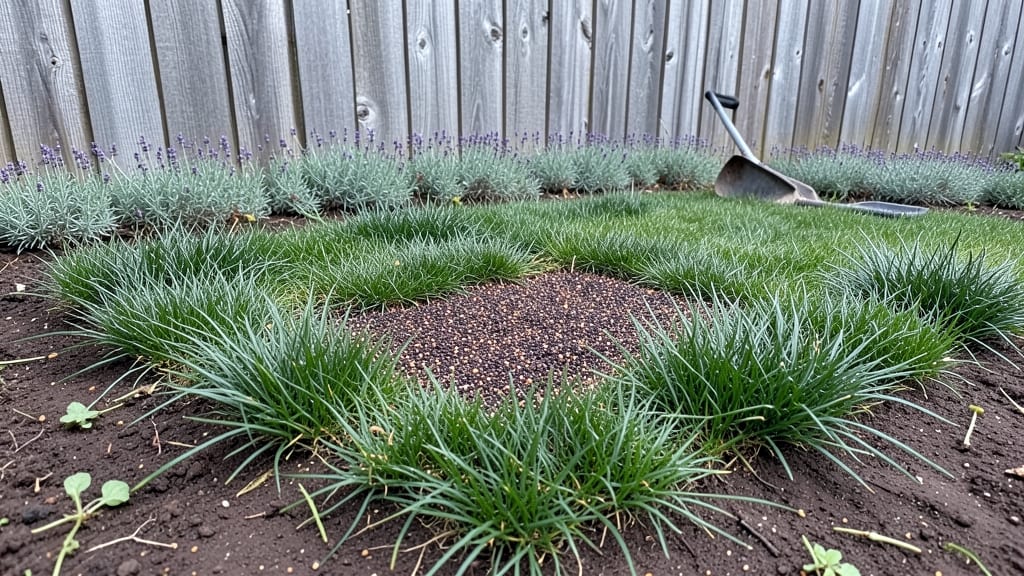
To fertilize your lawn at the best time, aim for early spring (late March to May) and fall (September to November), when grass grows most actively and absorbs nutrients most efficiently for stronger roots and seasonal recovery.
Timing your lawn care this way ensures your grass has the nutrients it needs when it's actively growing—not during dormant months. Cool-season grasses like Kentucky bluegrass thrive with spring feeding, while warm-season grasses like Bermuda grass benefit more from late summer applications.
I always adjust my schedule based on local frost dates and rainfall patterns, since these can shift the ideal window by weeks in some regions. 🌱
Pro tip: Pair fertilization with soil testing to identify deficiencies, and always water deeply after applying fertilizer to help nutrients reach the roots. This two-season approach builds resilience against pests, drought, and foot traffic throughout the year.
💡 In This Article
- How Climate Zones Affect Lawn Fertilizing Timing
- Seasonal Fertilizer Application Checklist by Grass Type
How climate zones affect lawn fertilizing timing
Your lawn's fertilization schedule isn't one-size-fits-all—it's directly tied to your USDA hardiness zone, which determines temperature ranges and growing seasons. In northern zones (3-6), where winters are harsh, grass enters dormancy by late fall, so spring fertilization (typically April-May) kickstarts growth when soil temperatures hit 55°F.
Conversely, in southern zones (8-10), mild winters mean grass grows year-round, so late winter (February-March) applications prevent nutrient loss during cooler months.
The key difference lies in how cold affects root activity. In Zone 5, for example, soil stays below 50°F for months, forcing grass into dormancy—fertilizing too early won't help.
Meanwhile, in Zone 9, where winter temps rarely drop below 40°F, grass continues photosynthesizing, making early applications more effective. Rainfall patterns also shift timing: In humid climates like the Southeast, fall fertilization happens earlier (August-September) to avoid fungal growth from excess moisture.
Frost-prone areas (Zones 4-7) need special attention—fall applications should occur 6-8 weeks before first frost to allow nutrient absorption before dormancy. This means late September-October in most of the Midwest, but August in warmer microclimates like coastal California.
Drought zones (Southwest, Pacific Northwest) require adjusted watering schedules post-fertilization, as dry soil can burn grass when nutrients concentrate near the surface.
What most people overlook is how microclimates within zones create variations. A backyard in Zone 6 near a lake may have 2-3°F warmer soil than one in a valley, shifting ideal fertilization by 1-2 weeks.
I've seen this firsthand—my neighbor's lawn in Zone 7 thrives with May fertilization, while my sun-exposed section needed April applications due to faster warming. Always check local frost dates and soil temps, not just zone numbers.
Seasonal adjustments also depend on grass type. Cool-season grasses (Kentucky bluegrass) in Zones 4-8 need spring feeding, while warm-season grasses (Bermuda) in Zones 7-10 benefit from late summer applications.
The overlap in transition zones (6-7) creates confusion—here, split applications (April + September) work best to cover both growth cycles. 🌿
Pro tip: Use a soil thermometer to verify 55°F soil temps before spring fertilization—this is your true green light. In dry climates, apply fertilizer in evening to reduce evaporation, while humid areas benefit from morning applications to prevent fungal growth.
These small adjustments make all the difference in nutrient uptake and lawn health.