
Light Requirements
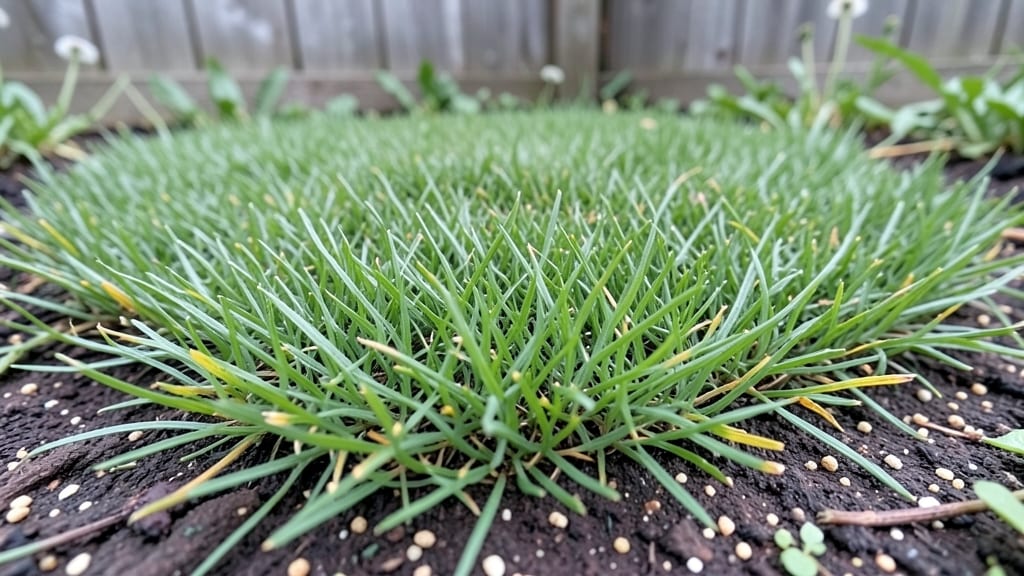
To fertilize your grass, timing depends on your climate and grass type: cool-season grasses should be fed in early spring (soil temps 50–55°F) and fall (soil temps 60–65°F), while warm-season grasses respond best to spring (soil temps 65–70°F) and summer applications. Always align feeding with local frost patterns for optimal results.
Knowing when to fertilize isn't just about seasons—it's about matching your grass's natural growth cycles. 🌱 Cool-season varieties like fescue and Kentucky bluegrass wake up in spring when soil warms to 50–55°F, making early spring the perfect time to kickstart their growth.
Meanwhile, warm-season grasses like Bermuda and Zoysia need that extra boost when soil hits 65–70°F in late spring or early summer. I always check my local frost dates to avoid fertilizing too early, as cold snaps can stress the grass before it's ready.
Pro tip: If your lawn shows yellowing patches or slow growth, those are clear signs it's time for a nutrient boost. But before you grab that fertilizer, test your soil pH—most grasses prefer a range of 6.0–7.0.
Adjusting the pH first can make your fertilizer go further and give you greener results faster. 💫
💡 In This Article
- Seasonal Fertilization Schedules by Grass Type
- Signs Your Lawn Needs Fertilizer Right Now
Seasonal fertilization schedules by grass type
Cool-season grasses like Kentucky bluegrass and tall fescue enter their active growth phase when soil temperatures consistently reach 50-55°F in spring. This triggers root development and shoot growth through a process called vernalization, where the grass "wakes up" from dormancy.
The key is timing: fertilizing too early (before 50°F) stresses the grass, while waiting too long misses the 6-8 week growth window before summer heat sets in. 🌱
Warm-season varieties such as Bermuda and Zoysia respond differently—they need soil temperatures above 65°F to activate their growth hormones. Here's the science: these grasses produce gibberellins, a plant hormone that stimulates cell elongation, but only when soil warmth exceeds 60°F for at least 3 consecutive days.
That's why summer fertilization (June-July) works best in warm climates, matching their natural growth peak when daylight hours are longest.
Regional frost patterns create the biggest variables. In Zone 5, where last frosts average April 15, cool-season grasses should be fertilized 4-6 weeks after that date. Meanwhile, in Zone 8 with no frost, warm-season grasses get their first feeding when soil hits 65°F—typically March-April.
The rule of thumb: fertilize when your grass shows 30-50% green-up (visible regrowth after dormancy).
Here's how to map your schedule: use a soil thermometer to verify temperatures. For cool-season grasses, aim for 50-55°F in spring and 60-65°F in fall. Warm-season grasses need 65-70°F for spring feedings and 75-80°F for summer applications.
The 3-day average is more reliable than daily spikes—grass roots respond to consistent warmth, not temporary heat waves. ✨
What most people miss is how day length interacts with temperature. Cool-season grasses grow fastest when days are 12-14 hours long (late spring/early fall), while warm-season types thrive with 14+ hours of daylight (summer).
That's why your spring feeding for fescue might coincide with Bermuda's summer peak—timing isn't just about temperature but the combination of warmth and daylight that triggers growth hormones.
Pro tip: In transition zones (like Zone 7), you might need 4 feedings—two for cool-season and two for warm-season grasses—spread across March, May, July, and September.
The key is matching each feeding to when your specific grass type shows active growth, not just following a generic calendar. 💫