
Lawn
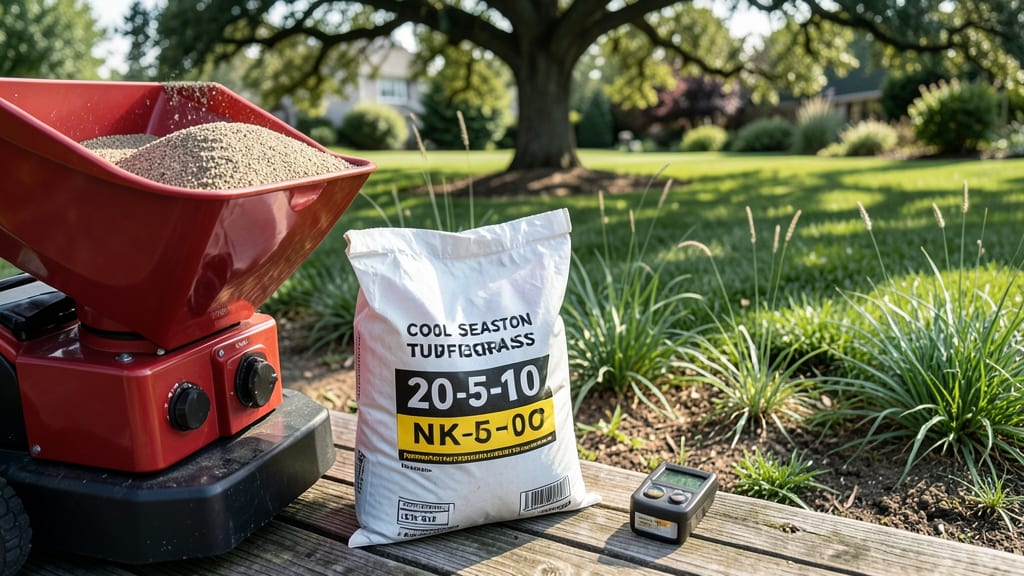
Fertilizing your lawn at the right time is the key to a thick, vibrant carpet that stays green all season — and skipping it can leave you with patchy, weak grass that struggles to recover.
You’ve probably heard that "spring and fall" are the magic months, but the truth is more precise: cool-season grasses like Kentucky bluegrass need their first feeding as soon as the soil warms to 55°F, while warm-season types like Bermuda grass wait until the ground hits 65°F or higher.
Get it wrong, and you’re either wasting money or risking burn.
This isn’t just about throwing down fertilizer and hoping for the best. Soil tests, leaf color changes, and even your local frost dates play a role.
Below, I’ll break down the exact seasonal schedule for your grass type, plus the telltale signs that your lawn is ready for nutrients — or begging you to stop.
Ready to stop guessing and start growing? You’ll leave here with a customized plan that aligns with your climate, grass type, and even the weather forecast so your lawn gets fed when it actually needs it, not just when you remember.
Best fertilization schedule by grass type: cool-season vs warm-season timing
Your lawn’s health depends on timing fertilization to match your grass type’s natural growth cycles. Cool-season grasses like Kentucky bluegrass and fescue thrive in spring and fall, while warm-season types such as Bermuda and Zoysia need feeding during late spring and summer.
Misaligning fertilization with these cycles can stunt growth or waste nutrients.
Cool-season grasses grow best when soil temperatures are 50–65°F, while warm-season grasses prefer 75–90°F. Understanding these temperature thresholds helps you avoid fertilizing during dormancy periods, when grass won’t absorb nutrients efficiently. Let’s break down the ideal schedules for each type.
| Grass Type | Primary Growing Season | Best Fertilization Months | Key Temperature Range | Why This Timing? |
|---|---|---|---|---|
| Cool-Season (Kentucky Bluegrass, Fescue, Ryegrass) | Early Spring (March-April) & Fall (Sept-Oct) | March, April, September, October | 50–65°F | Encourages root growth before summer dormancy and after summer stress. |
| Warm-Season (Bermuda, Zoysia, St. Augustine) | Late Spring (May-June) & Summer (July-Aug) | May, June, July, August | 75–90°F | Supports active growth during peak heat and prepares for fall dormancy. |
| Both Types | Winter (Nov-Feb) | None | Below 50°F | Grass is dormant; fertilizing wastes nutrients and risks burn. |
For cool-season grasses, the early spring feeding (March-April) jumpstarts growth after winter dormancy, while the fall application (September-October) strengthens roots before freezing temperatures. This two-step approach ensures your lawn stays dense and resilient through winter.
Warm-season grasses, however, rely on late spring and summer fertilization to combat heat stress. A May feeding kickstarts growth, while July-August applications maintain vibrancy during peak summer. Avoid fertilizing in late summer, as it can encourage weak growth before frost.
Regional adjustments matter too. In northern climates, cool-season grasses dominate, while southern lawns often feature warm-season types. If you’re in a transition zone (like the Carolinas), consider overseeding warm-season grass with cool-season varieties for year-round coverage.
Pro tip: Always test soil pH before fertilizing. Cool-season grasses prefer 6.0–7.0 pH, while warm-season types thrive at 6.0–6.5 pH. Adjusting pH before applying fertilizer ensures optimal nutrient uptake and avoids wasting expensive amendments.
One common mistake is over-fertilizing in summer for cool-season grasses, which can lead to fungal diseases like brown patch. Similarly, fall fertilization for warm-season grasses can result in weak growth before winter. Stick to the seasonal guidelines to avoid these pitfalls.
For new lawns, delay fertilization until 4–6 weeks after seeding to avoid burning tender roots. Once established, follow the grass-type schedule to maintain a thick, healthy lawn year-round. Consistency is key—skipping feedings or applying them at the wrong time disrupts your lawn’s natural rhythm.
🌱
Signs your lawn needs fertilizer (and when to skip it)
Your lawn sends clear signals when it's hungry for nutrients—don't ignore the yellow patches or slow recovery after mowing. These are classic signs your grass isn't getting enough nitrogen, phosphorus, or potassium.
But before reaching for the fertilizer, consider whether your lawn truly needs it or if other factors like compacted soil or poor watering are the real culprits.
Over-fertilizing is just as damaging as under-fertilizing. Too much nitrogen can cause burnt grass or even trigger unsightly algae blooms in your yard. The key is understanding when your lawn's natural growth cycle aligns with fertilization needs versus when environmental factors like recent rainfall or seasonal dormancy make it unnecessary.
When Should You Fertilize Your Lawn?
- Grass shows pale green or yellowing patches
- Growth slows despite proper watering and mowing
- Soil test reveals low nitrogen (below 5 ppm)
- Season aligns with active growth (spring/fall)
- Grass appears burnt or crispy from heat
- Algae blooms or moss dominate your lawn
- Soil is waterlogged or frozen
- Recent rainfall (>1 inch in past week)
Pro Tip: Always conduct a soil test before fertilizing to avoid over-applying nutrients.
Start by examining your lawn's color uniformity. Healthy grass should be a vibrant green, not dull yellow or pale green. Check for thin spots where soil is visible—this often indicates nutrient depletion.
If your lawn feels spongy underfoot, it may need aeration before fertilization to allow roots to absorb nutrients properly.
Environmental factors play a huge role. If you've had heavy rainfall recently, your lawn may already be getting nutrients from natural sources. Similarly, if your area experiences high humidity or frequent dew, your grass might not need additional nitrogen.
Always wait until after a dry spell before applying fertilizer to prevent runoff.
Pay attention to your grass type. Cool-season grasses like Kentucky bluegrass thrive with fall fertilization to strengthen roots before winter, while warm-season grasses like Bermuda need feeding in late spring when temperatures rise. Misaligning fertilization with your grass's natural cycle can lead to wasted money and stressed lawns.
Finally, consider the seasonal growth patterns of your region. In northern climates, fertilizing in early spring and late fall is ideal, while southern lawns benefit from summer feedings.
Always follow the 1-2-3 rule: fertilize when grass is 1/3 dormant, 2/3 active, and 3/3 recovering from stress.