
Lawn
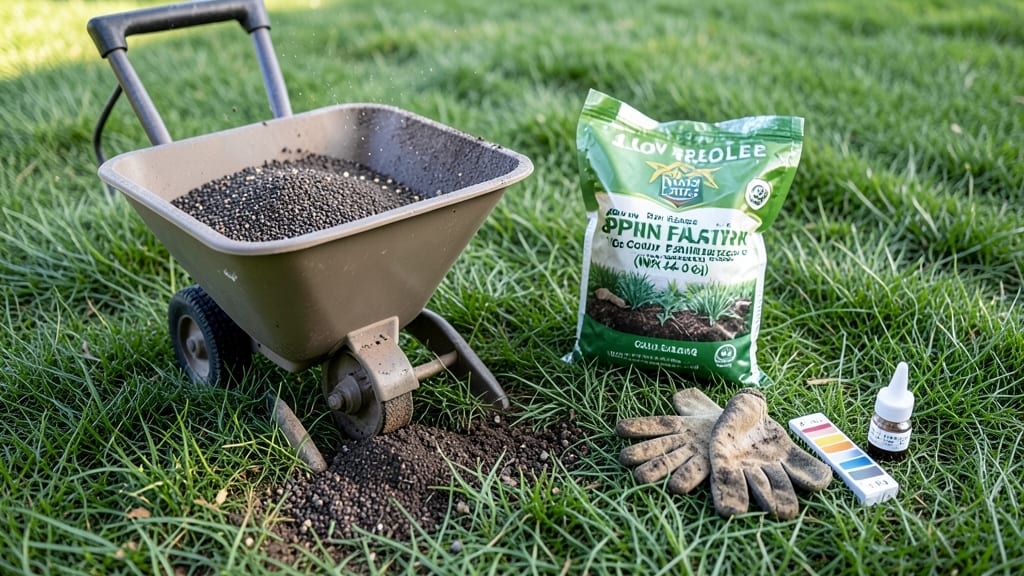
Fertilizing your lawn in the spring at the right time means the difference between a lush, green carpet and a patchy, struggling yard.
Timing your spring lawn fertilization wrong can mean wasted money—or worse, stunted grass growth. But get it right, and you’ll have a thick, vibrant lawn all season long.
Your climate zone and grass type are the key factors. Cool-season grasses like Kentucky bluegrass need feeding as soon as the soil warms in early spring, while warm-season grasses like Bermuda grass wait until after the last frost.
I’ll break down the exact windows for your area, plus how to prep your soil for the best results.
Discover how to read your lawn’s signals, choose the right fertilizer, and align your schedule with local weather patterns for healthier grass that stays green longer.

Best spring fertilization timeline by climate zone (US map guide)
Spring fertilization timing depends on your climate zone and grass type. Cool-season grasses like fescue and bluegrass wake up early, while warm-season grasses like Bermuda and Zoysia need to wait until soil warms. Let’s break it down by region to avoid over- or under-fertilizing.
Northern zones (USDA 3-5) typically fertilize in early spring (March-April) when soil temps reach 50°F. Southern zones (USDA 7-10) wait until late spring (April-May) when soil hits 65°F+. Transition zones (USDA 6) need a middle-ground approach, aligning with last frost dates.
🌱 Pro Tip: Always test your soil first! A pH of 6.0-7.0 ensures nutrients absorb properly. Use a home test kit or send a sample to your local extension office for precision.
For Northern climates, fertilize cool-season grasses in early spring (March-April) when soil reaches 50°F. This jumpstarts growth before summer heat. Warm-season grasses in these zones should wait until May-June when soil hits 65°F+.
In Southern climates, focus on late spring fertilization (April-May) for warm-season grasses like St. Augustine. These grasses go dormant in winter, so early feeding can stress them. Cool-season grasses here need a quick early spring feed (Feb-March) before summer heat sets in.
Transition zones (like USDA Zone 6) require flexibility. Cool-season grasses get fertilized in early spring, while warm-season grasses wait until late spring. Always check soil temps with a soil thermometer—it’s your best guide!
💧 Watering Tip: After fertilizing
How to know when your lawn Really Needs Fertilizer (Signs to Watch)
Your lawn whispers clues about its health long before it screams for fertilizer. Dull, patchy grass or slow spring green-up are the first red flags. I’ve learned to watch for these subtle shifts—because fertilizing too early or late can backfire, leaving your grass more stressed than nourished.
The key is understanding your grass type’s growth cycle and reading the soil’s silent signals.
Cool-season grasses like Kentucky bluegrass and fescue wake up hungry in early spring, while warm-season varieties like Bermuda or Zoysia wait until soil temps hit 65°F+. I test soil temperature with a simple thermometer—it’s the secret to nailing timing.
Without this step, you might fertilize dormant grass, wasting nutrients or even burning tender blades.
⚠️ Warning: Common Fertilizer Mistakes in Spring
- Fertilizing before last frost: Grass won’t absorb nutrients in cold soil (50°F or below).
- Skipping soil tests: Over-fertilizing acidic soil (pH <6.0) burns roots instead of feeding them.
- Using high-nitrogen in summer heat: Causes brown patches from stress, not growth.
Pro tip: Wait until grass is actively growing—check for 1-inch growth in 7-10 days after mowing.
Weed pressure is another clear fertilization cue. If crabgrass or clover takes over, your lawn’s defenses are weak—likely from low nitrogen or poor soil structure. I’ve seen lawns where weeds outnumber grass by 3:1, yet the homeowner assumed the lawn was "fine."
A quick soil test reveals the truth: nutrient deficiencies or compacted soil. Fix the root cause first with compost or lime, then fertilize.
Pay attention to grass blade color too. Healthy grass has a deep green hue, while yellowing or purplish tones signal nutrient deficiencies. Purple stems mean phosphorus deficiency, while yellowish blades often point to nitrogen shortage.
I keep a small color chart handy—it’s saved me from over-fertilizing lawns that just needed iron supplements or better watering.
Seasonal growth cycles matter more than calendar dates. For cool-season grasses, fertilize when you see rapid growth after dormancy (usually late April to early May in most regions). Warm-season grasses like Bermuda need their first feeding when soil temps hit 65°F+, often late May to June.
I set reminders based on my local USDA zone—it’s the only way to stay ahead of Mother Nature’s schedule.
Finally, thatch buildup (that spongy layer between soil and grass) can block nutrients. If you can pull up a 1-inch-thick thatch layer, your lawn needs aeration before fertilizing.
I rent a core aerator every spring—it’s the best $50 investment for nutrient absorption. Without it, fertilizer just sits on top, doing more harm than good.
Your lawn’s needs change yearly, so keep a fertilization journal. Note when you applied fertilizer, the grass’s response, and any weather quirks. Over time, you’ll spot patterns—like how my fescue lawn always needs a second feeding in early fall after summer stress.
The more you observe, the less guessing you’ll do.