
Lawn
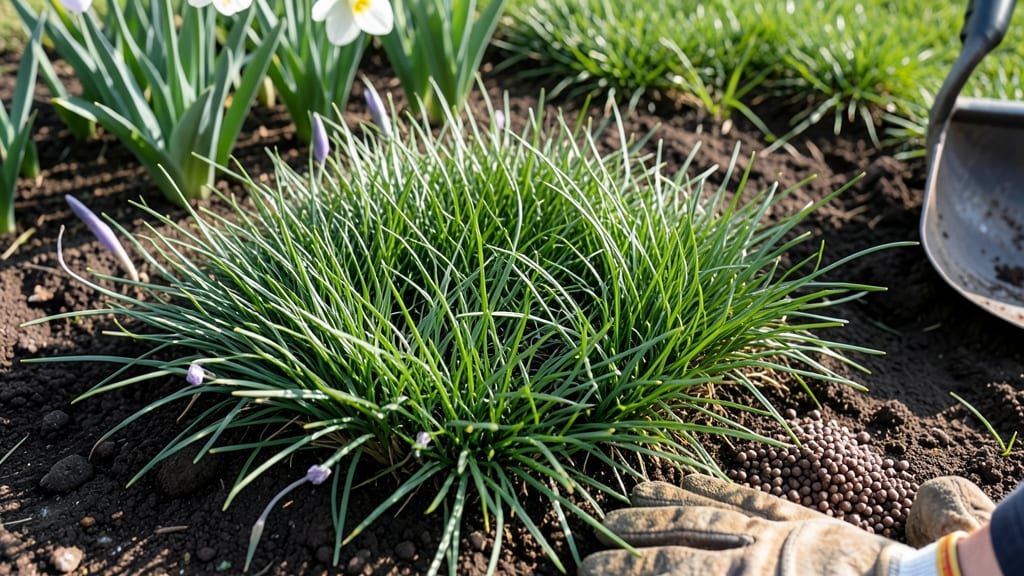
Fertilizing your lawn in spring should happen when soil temperatures hit 55-65°F and grass shows new green growth 🌱 — too early, and you risk burning tender roots.
Spring is your lawn’s second chance to bounce back from winter dormancy—but timing your first fertilization wrong can waste money, attract pests, or even burn your grass. Discover the exact window to maximize growth without harming your turf.
Cool-season grasses (like fescue or rye) need their first feeding as soon as soil thaws, while warm-season types (like Bermuda) wait until late spring. The key? Watch for grass green-up and soil warmth, not just the calendar.
Below, I break down the month-by-month timing for your zone, plus how to prep soil and pick the right fertilizer for lush, pest-resistant growth all season.

Best spring fertilization timeline: month-by-month breakdown for cool vs. warm season grasses
Spring fertilization is your lawn’s wake-up call after winter dormancy—but timing matters more than you think. Cool-season grasses like fescue and bluegrass need feeding early, while warm-season varieties like Bermuda and Zoysia wait until soil warms.
Get the schedule wrong, and you’ll waste money or stress your grass. Here’s my month-by-month breakdown to keep your lawn lush without overdoing it.
Your first fertilization should align with soil temperatures and grass activity, not just calendar months. For cool-season grasses, aim for March-April when soil hits 55°F+.
Warm-season grasses? Wait until May-June when soil reaches 65°F+. I’ll show you exactly when to feed each type, plus regional tweaks for northern vs. southern climates.
🌱
For cool-season grasses, March is your first fertilization window—apply a high-nitrogen fertilizer (like 24-0-10) when soil temps hit 55°F and grass starts greening up. A second feeding in April boosts root growth before summer stress.
I’ve seen lawns double their thickness with this two-step approach, but only if soil is workable (no mud!).
Warm-season grasses like St. Augustine or Centipede need to wait until May when soil reaches 65°F+. Early feeding can shock their roots—trust me, I’ve burned patches by rushing. Use a slow-release fertilizer (like 16-4-8) to avoid nitrogen spikes that attract pests.
Southern regions can start 1-2 weeks earlier, while northern zones may push timing to late May.
💧
Regional adjustments are critical. In Zone 5-7, aim for March 15-April 15 for cool-season grasses. Zone 8-10? Start 2-3 weeks earlier due to warmer soils. Pro tip: Use a soil thermometer—don’t guess!
I test temps at 4-inch depth in the morning for accuracy. If soil is below 50°F, wait. Fertilizer won’t activate until microbes wake up.
Your second spring feeding (for cool-season) should happen in late April to early May, just as grass enters its rapid growth phase. This is when pre-emergent herbicides (if used) should also go down—timing matters here too.
Warm-season grasses get their second feed in June, paired with deep watering to prevent fertilizer burn. I always water 24 hours before and after applying fertilizer to protect roots.
Signs your lawn is ready for fertilizer: 5 key indicators to avoid over-fertilizing
Waiting for the right moment to fertilize your lawn in spring is crucial—applying too early can waste nutrients while late applications miss peak growth windows. Look for these 5 clear signs your grass is ready for a nutrient boost, not just a random calendar date.
First, check your grass color. Healthy lawns transition from winter’s dull gray-brown to vibrant green hues as temperatures rise. If you see patches of deep green emerging but still look thin, that’s your cue to fertilize.
Avoid fertilizing if your lawn remains yellowish or patchy—this signals stress, not readiness.
Next, test your soil temperature with a simple probe or your finger. Press your hand into the soil—if it feels warm but not scorching (around 55-65°F), your grass roots are waking up.
Cold soil (below 50°F) means nutrients will just sit there, wasting money and potentially harming microbes.
- 1. Grass Green-Up 1 Look for 50%+ green coverage after winter dormancy.
- 2. Soil Warmth 2 Soil should reach 55-65°F (test with a thermometer).
- 3. Active Growth 3 Grass grows 1/2 inch per week—measure with a ruler.
- 4. Weed Awakening 4 Weeds like dandelions sprout—ideal time to pre-emergent treat.
- 5. Pest Activity 5 Grubs or chinch bugs appear—fertilize to strengthen grass.
Don’t ignore your grass growth rate. Measure a section with a ruler—if blades grow ½ inch per week, your lawn is actively photosynthesizing and ready for nutrients. Slow growth (¼ inch/week) means wait; fast growth (1+ inch/week) could mean it’s time to fertilize.
Watch for weed activity too. When broadleaf weeds like dandelions or clover pop up, your lawn’s defenses are down. This signals your grass is weak but waking up—the perfect moment to feed it before weeds take over.
Pro tip: Apply a pre-emergent herbicide at the same time for double protection.
Finally, check for pest signs. White grubs tunneling under the surface or chinch bugs on blades mean your grass is stressed. Fertilizing now won’t cure the issue, but it gives your lawn the strength to outcompete pests while you treat the root problem.