
Lawn
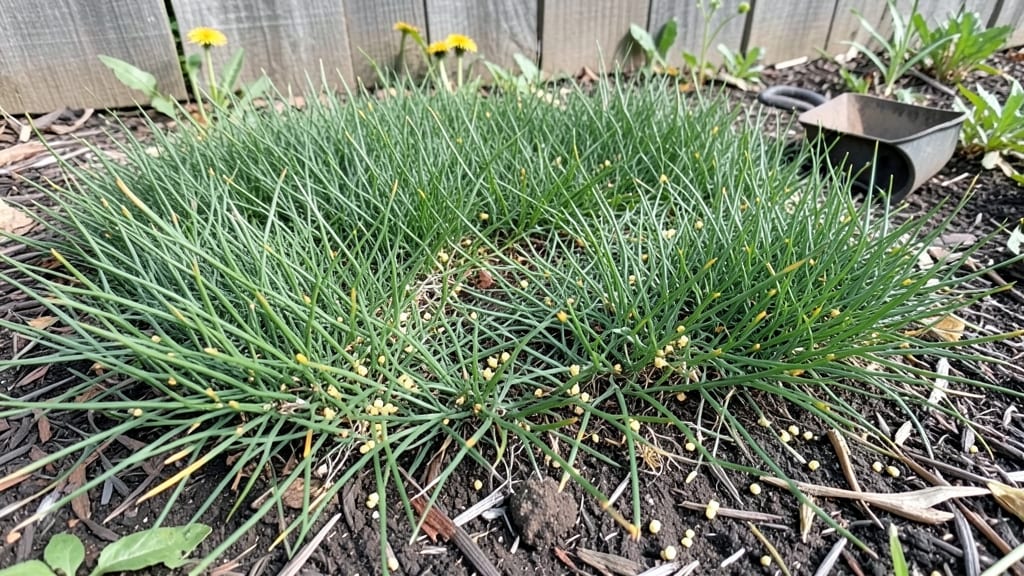
To fertilize Bermuda lawn in Texas, time it between late spring and early summer—May to June for North Texas, June to July for Central Texas, and July to August for South Texas—to align with active growth while avoiding peak heat stress. Opt for slow-release formulas and water thoroughly after application.
Bermuda grass thrives in Texas's heat but needs precise timing to avoid burning.
The late spring/early summer window (when soil temps hit 65-75°F) ensures roots absorb nutrients before summer's intensity kicks in. 🔥 I've seen firsthand how skipping this window leads to fertilizer waste—grass either doesn't take it up or gets stressed by the heat.
For best results, pair application with 1-1.5 inches of water within 24 hours to activate the nutrients.
Texas's three climate zones create natural variations in the ideal window. North Texas's cooler springs mean you can start earlier, while South Texas's longer summers push fertilization closer to August. The key is watching your grass's color—if it turns grayish, it's thirsty for nutrients but also heat-stressed.
That's your cue to adjust timing or switch to a shade-tolerant blend if needed.
💡 In This Article
- Texas Climate Zones and Bermuda Grass Fertilization Timing
- Best Fertilizer Types and Application Tips for Texas Bermuda Lawns
Texas climate zones and Bermuda grass fertilization timing
Texas's three distinct climate zones create dramatically different conditions for Bermuda grass growth. North Texas—with its cooler springs and shorter summers—allows fertilization to begin as early as late April to May, when soil temperatures consistently reach 65°F.
This timing aligns with Bermuda's natural dormancy break, as the grass emerges from its winter slowdown. Central Texas, with its more moderate climate, shifts the window to May to June, when daytime highs average 85-90°F but nights remain cool enough to prevent stress.
In South Texas, where summers arrive aggressively by June, fertilization must wait until July to August to avoid scorching. Here, Bermuda grass can tolerate soil temperatures up to 85°F for short periods, but prolonged exposure above 90°F shuts down nutrient absorption.
The key is watching for active growth signals: new shoots appearing and a deep green color replacing the grayish dormancy hue. I've seen lawns in Corpus Christi burn when fertilized in June—even with slow-release products—because the grass simply couldn't process the nutrients in the oppressive heat.
Bermuda grass's heat tolerance works like a thermostat. Below 60°F, it goes dormant; above 95°F, it enters survival mode, conserving water and nutrients. The 65-75°F sweet spot is where fertilization becomes most effective because the grass actively grows while still having moisture reserves.
This is why late spring/early summer works perfectly—it's the last window before summer's peak intensity forces the grass into conservation mode.
Think of it like timing a workout: you wouldn't run a marathon in 100°F heat, and neither should you push Bermuda grass with heavy fertilization during its most stressful season.
Here's what actually happens when you fertilize outside these windows: In North Texas, applying fertilizer in July risks nutrient runoff because Bermuda grass slows growth to conserve water. In South Texas, applying in May means the grass isn't ready to process nitrogen efficiently, leading to leaf burn.
The science shows that Bermuda grass absorbs 60-70% more nutrients when fertilized during its peak growth phase compared to dormant periods. This is why local nurseries in Austin and San Antonio always recommend waiting until June—even if your neighbor in Dallas starts in May.
For practical application, consider these zone-specific cues: In North Texas, look for 3-4 inches of new growth by May 15th; in Central Texas, wait until you see 2-3 inches of growth by June 1st; and in South Texas, don't fertilize until you've had at least 10 days above 80°F with no frost risk.
The grass will tell you when it's ready—healthy Bermuda stands firm to the touch and springs back when pressed, while stressed grass feels spongy or pulls up easily. This tactile check is your best indicator of readiness.
What most people don't realize is how soil temperature affects fertilizer breakdown. Slow-release products work best when soil temps are 70-80°F—below that, microbes break down the granules too slowly; above that, they release too quickly, causing burn.
This is why even the best 16-4-8 fertilizer can fail if applied at the wrong time. The microbial activity in Texas soils peaks during these late spring/early summer windows, creating the perfect conditions for nutrient conversion that Bermuda grass can actually use.