
Fertilization
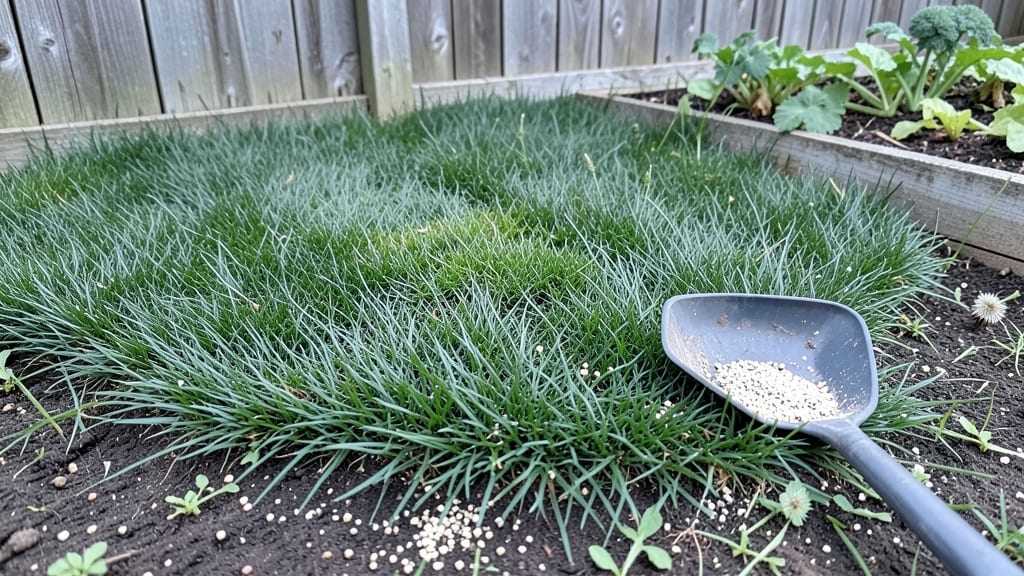
To fertilize fescue grass, time it with your climate zone: apply in early fall (late August to October) for cool-season growth, then again in early spring (February to April) to strengthen roots. Southern areas can add a light summer feeding in June, but skip fertilizing during extreme heat or drought.
Fescue grass thrives when fed during its most active growth phases—fall and spring—when soil temperatures hover between 50–65°F. 🌱 This timing aligns with its natural dormancy cycle, ensuring nutrients fuel root development and dense growth before winter.
Southern climates can benefit from a light summer application in June, but only if temperatures stay mild and moisture levels are adequate. Over-fertilizing in heat stresses the grass, leading to brown patches rather than lush growth.
For best results, use a slow-release fertilizer in fall and a balanced formula in spring. Always conduct a soil test first to address deficiencies like nitrogen or phosphorus, which directly impact color and resilience. My team swears by pre-winter feeding—it’s the secret to vibrant lawns come spring!
💡 In This Article
- Fescue Grass Growth Stages and Fertilizer Timing
- Climate-Specific Fescue Fertilization Schedule
Fescue grass growth stages and fertilizer timing
Fescue grass follows a distinct cool-season growth pattern where fertilization timing directly impacts nutrient absorption. The key trigger is soil temperature—when it drops below 50°F in fall, fescue enters dormancy, but its roots remain active, absorbing nutrients to strengthen for winter.
This is why late summer to early fall (50–65°F) is prime time for feeding. The grass uses these nutrients to build root systems and store energy for spring growth.
Spring fertilization kicks in when soil warms to 50°F and stays there for at least 2 weeks, signaling active top growth. This is when fescue transitions from dormancy to rapid shoot development, demanding nitrogen for vibrant green blades.
In colder climates (USDA zones 3–6), this occurs in March–April, while warmer zones (7–10) may start as early as February. The difference? Warmer soils wake up faster, but the grass must have moisture to metabolize nutrients effectively.
Here's what's actually happening biologically: Fescue grass has a C3 photosynthesis pathway, meaning it thrives in cooler temperatures where it can efficiently convert sunlight into energy. When fertilized in fall, the nutrients are stored in the roots as starches, providing an energy reserve.
In spring, these reserves fuel the first flush of growth before the plant can photosynthesize enough on its own. This two-stage feeding mimics nature's cycle—just like how trees store nutrients in their roots before leafing out.
Southern regions (zones 7–10) can add a light summer feeding in June because their growing season extends longer, but only if temperatures stay below 90°F and rainfall is adequate. Heat stress (95°F+) shuts down nutrient uptake, making fertilization ineffective and potentially harmful.
Think of it like trying to hydrate after a workout in a sauna—your body just can't absorb the water efficiently. The same principle applies to grass: fertilizing during drought or extreme heat forces the plant to expend energy on survival rather than growth.
One common mistake is fertilizing too late in fall or too early in spring. If you apply nutrients when soil temperatures are below 50°F, the grass won't absorb them—it's like offering a meal to a hibernating animal. Conversely, fertilizing when soil is above 70°F risks burning the roots.
The sweet spot is 50–65°F, where the grass is active but not stressed. This window explains why timing varies by 1–2 months between northern and southern climates.
Pro tip: Use a soil thermometer to monitor temperatures before fertilizing. Bury it 4 inches deep (the depth of fescue roots) and check readings in the morning.
If it's consistently in that 50–65°F range for a week, it's time to feed. This small tool can save you from wasted fertilizer and brown patches.
What most people don't realize is that fescue's growth stages are tied to daylight too. Shorter days in fall trigger hormonal changes that prepare the grass for dormancy, while longer spring days stimulate growth.
Fertilizing aligns with these natural cues—think of it as giving the grass a growth hormone boost at the right moment. 🌱