
Lawn
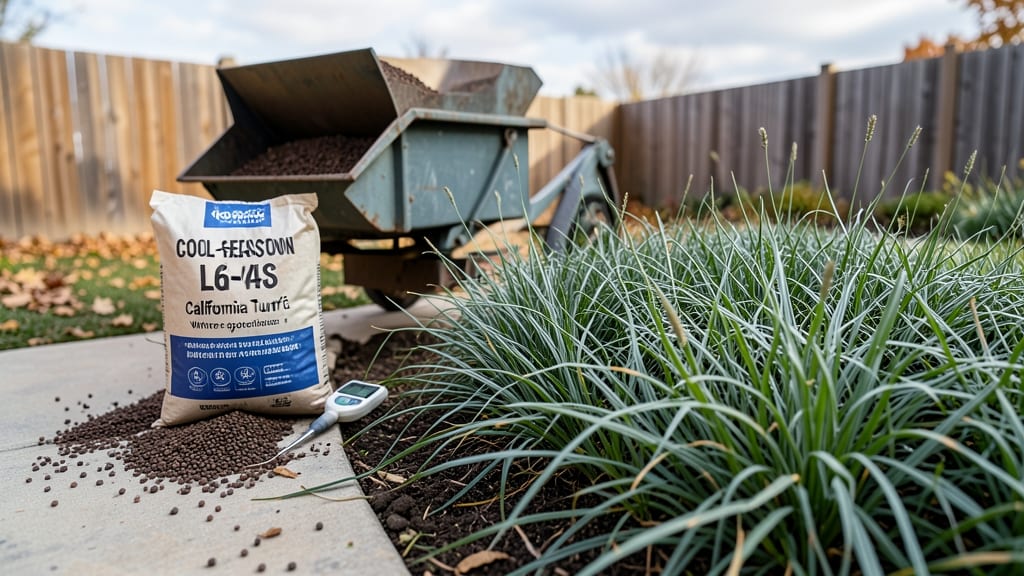
Fertilizing your California lawn at the right time is the difference between a lush green carpet and a patchy, struggling yard 🌱 — and the best months depend entirely on where you live.
California’s diverse climate zones—from coastal fog to inland heat—mean your lawn’s fertilization schedule must be precise to avoid wasting money or harming grass. Get the exact timing for your region to keep your lawn thriving year-round.
Inland areas like the Central Valley need a spring and fall feeding to handle extreme summer heat, while coastal regions can stretch fertilizing into early winter. Desert zones? Almost no winter feed at all. I’ll break down the ideal schedule for each zone so you never over- or under-feed.
You’ll also learn how to spot nutrient deficiencies, when to skip fertilizing (yes, really), and which types of fertilizer work best for your grass type—whether you’re dealing with Bermuda, Fescue, or Rye.
California fertilization schedule by climate zone: coastal vs. inland timelines
California’s four distinct climate zones create wildly different lawn care needs. Coastal areas stay cooler and wetter, while inland regions experience extreme heat and drought. Warm-season grasses like Bermuda thrive in Southern California’s desert zones, while cool-season grasses like Fescue dominate Northern coastal lawns.
Your fertilization timing must match your zone to avoid stressing grass during heatwaves or winter dormancy.
Most lawns in California need 4 key feedings per year, but the timing shifts dramatically. Northern coastal lawns get their first feeding in late winter (February), while Southern desert lawns wait until April to avoid summer burn. Pre-emergent herbicides also have strict windows—apply too early, and weeds won’t germinate, but too late, and you’ll miss the season entirely.
Here’s how to match your fertilization schedule to California’s four climate zones, including when to use nitrogen-heavy feeds vs. slow-release options:
For Northern Coastal lawns, your first feeding in February jumpstarts growth after winter rains.
Use a slow-release 16-4-8 blend to avoid nitrogen runoff into coastal waters. April’s second feeding should be lighter—just enough to maintain color without encouraging summer-thatch buildup. September and November are your heavy-feeding months to strengthen roots before winter.
Inland Central Valley lawns follow a similar spring/fall pattern but add warm-season feedings in May and July for grasses like Bermuda or Zoysia. Pre-emergent here is critical—apply in March to block winter weeds like chickweed. Southern Desert lawns skip spring feedings entirely; their first feeding comes in April with a low-nitrogen, high-potassium blend to handle heat stress.
If you’re in Mediterranean climates like Los Angeles, February and April are your cool-season windows, while May, July, and September target warm-season grasses. Organic options like compost tea work well here, but synthetic blends deliver faster results for high-traffic areas. Never fertilize in August—the heat will scorch grass, no matter the product.
Pro tip: Test your soil in late winter to check pH and nutrient levels. Coastal soils often need iron supplements for yellowing grass, while inland soils may lack organic matter. Adjust your fertilizer NPK ratio based on test results—too much nitrogen in summer can turn
Signs your California lawn needs fertilizer (and when to avoid it)
Your California lawn might be silently screaming for nutrients if you notice yellowing patches or slow recovery after mowing. These are classic signs of nutrient deficiencies, but they could also mean overwatering or heat stress. Learning the difference is key to avoiding wasted fertilizer or harming your grass.
Start by checking for uneven color—healthy grass should be a deep, vibrant green. If you see pale yellow spots, it’s often a nitrogen deficiency. Dark brown or crispy patches, however, usually mean drought stress or fungal issues, not fertilizer needs. Always rule out environmental factors first.
Seasonal timing matters just as much as the symptoms. Fertilizing at the wrong time—like mid-summer in Southern California—can burn grass or attract pests. The best months for most regions are early spring (March-April) and fall (September-October), when temperatures are mild and grass is actively growing.
🌱 Grass is actively growing
Spring (March-May) & Fall (Sept-Nov)
⚠️ Dormant or stressed grass
Winter (Dec-Feb) & Summer (June-Aug)
💧 Soil is moist (not soggy)
Test with finger—1-2 inches deep
☀️ Extreme heat (90°F+)
Wait until temps drop below 85°F
🌿 Pale yellow patches
Indicates nitrogen deficiency
🌡️ Drought conditions
Focus on watering first
For coastal California regions, like San Francisco or Santa Barbara, you can fertilize slightly earlier in the year—think February-March—due to milder winters. In contrast, inland valleys like the Central Valley should wait until April to avoid heat stress. Always adjust based on your local USDA zone (9a-11).
If your lawn shows thin, patchy growth despite regular watering, it’s time to test your soil. A simple DIY pH test kit (available at garden centers) can reveal if your grass needs lime (to raise pH) or sulfur (to lower pH).
Most California lawns thrive in a pH range of 6.0-7.0—outside this, nutrients become unavailable.
Remember: Less is more with fertilizer. Overapplying can lead to runoff, harming local waterways and burning your grass. Start with a light application (½ lb per 100 sqft) and monitor your lawn’s response before increasing. Always water deeply after fertilizing to help nutrients absorb into the soil.