
Fertilization
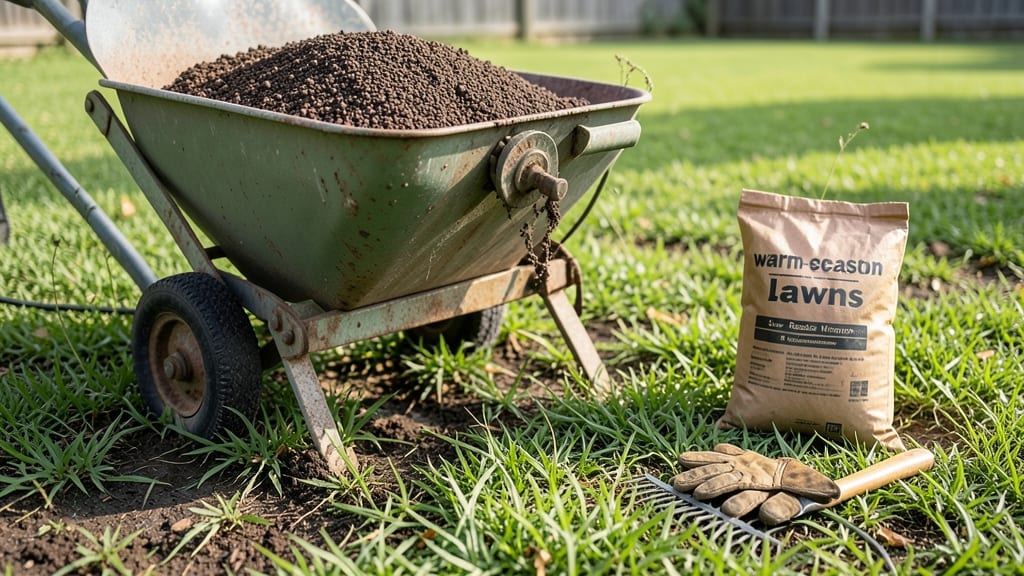
To fertilize lawns in Houston, time it for early spring (February–March) and late summer (August–September), matching the growth cycles of warm-season grasses like Bermuda and St. Augustine. Testing your soil first helps adjust nutrients for Houston’s heavy clay and humid climate.
Houston’s long, hot summers and heavy clay soil mean timing matters more than anywhere else. 🌱 The key is feeding your grass when it’s actively growing—spring kickstarts new growth after winter dormancy, while late summer prepares it for fall.
I’ve seen lawns thrive when fertilized in these windows because the grass can absorb nutrients efficiently before cooler weather slows growth. For Houston’s heat-loving grasses, this approach builds stronger roots and greener blades.
Don’t forget that Houston’s clay soil holds nutrients differently than sandy soil. A simple DIY test kit from your local extension office can show if your lawn needs more nitrogen, phosphorus, or potassium.
I always recommend slow-release fertilizers here—they prevent runoff during our heavy summer rains and keep feeding your grass steadily. Pro tip: Water deeply after applying to help nutrients reach the roots.
💡 In This Article
- Houston’s Climate and Grass Types: Fertilizing by Season
- Soil Testing and Fertilizer Selection for Houston Lawns
Houston’s climate and grass types: fertilizing by season
Houston’s warm-season grasses—like Bermuda, St. Augustine, and Zoysia—thrive when daytime temperatures stay above 60°F for at least 30 days. This triggers rapid growth, making early spring (February–March) and late summer (August–September) the ideal windows.
Bermuda grass, for example, enters dormancy when temps drop below 50°F, so fertilizing too late in fall can stress it before winter. Meanwhile, St. Augustine grows year-round but slows significantly in cooler months, so spring feeding jumpstarts its recovery.
The timing also aligns with Houston’s rainfall patterns. Spring showers help dissolve and distribute nutrients, while late summer fertilization prepares grass for fall’s cooler weather. 🌿 What most people overlook is how humidity affects nutrient absorption—Houston’s high moisture can cause fertilizer to wash away if not applied correctly.
That’s why slow-release formulas work best here: they prevent runoff during our frequent summer downpours while maintaining steady nutrient flow to roots.
Here’s what happens if you fertilize at the wrong time: Applying nitrogen-heavy fertilizers in fall can promote tender new growth that freezes in winter, while spring applications too late (after April) may not give grass enough time to establish before summer heat sets in.
I’ve seen lawns in Houston struggle with brown patches when fertilized in late fall—the grass simply can’t handle the nutrient load before dormancy kicks in.
Consider these key factors when choosing your timing:
- Grass type: Bermuda and Zoysia need more frequent feeding than St. Augustine, which tolerates longer intervals
- Soil moisture: Wait until soil is slightly dry (not bone-dry) before applying—this helps nutrients penetrate
- Weather forecast: Avoid fertilizing within 48 hours of heavy rain to prevent nutrient loss
Another critical factor is pest prevention. Spring fertilization builds grass density, which naturally crowds out weeds and reduces brown patch fungus—a common Houston lawn problem. Late summer feeding strengthens roots, making grass more resilient to chinch bugs, which thrive in Houston’s heat.
The difference between a lush lawn and a struggling one often comes down to these seasonal timing decisions.
For visual confirmation, watch your grass’s growth rate: If blades are elongating rapidly (about ½ inch per week), it’s ready for fertilizer. This growth spurt typically appears in early spring when daytime temps reach 70°F.
In late summer, look for signs of slowed growth before applying—this indicates the grass is preparing for fall dormancy and needs that final nutrient boost.
Remember: Houston’s clay soil holds nutrients differently than sandy soil. The same fertilizer that works in drier climates can overfeed Houston lawns, leading to thatch buildup. That’s why soil testing is your first step—it tells you exactly what your grass needs to thrive in our unique conditions. 💚