
Lawn
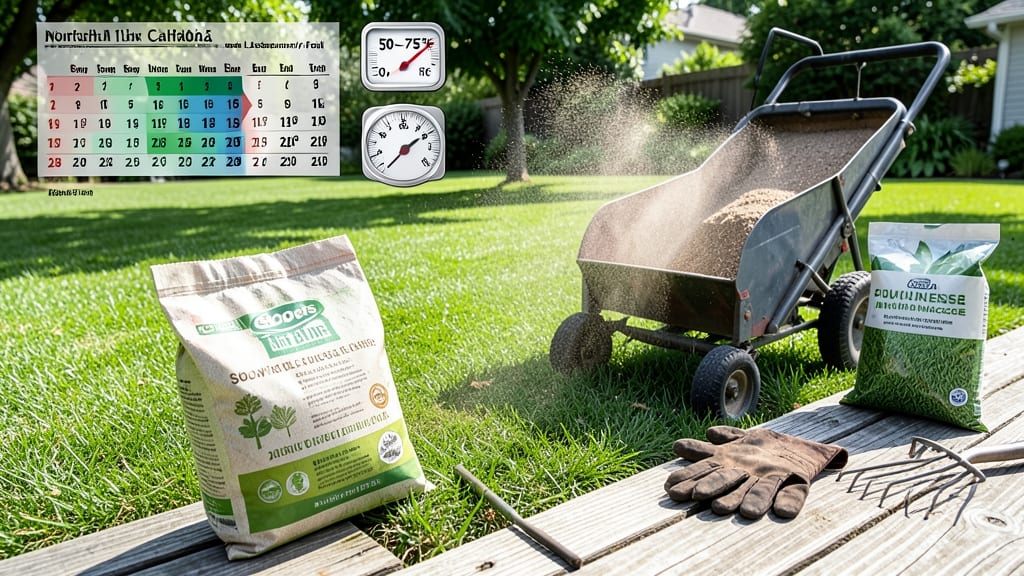
Fertilizing your 🌱 Northern California lawn at the wrong time can leave it yellow, patchy, or even worse—burned by summer heat. The key is nailing the timing, which shifts dramatically between coastal fog, inland valleys, and mountain foothills.
If your lawn looks dull or patchy, it’s not just about when you fertilize—it’s about matching your grass type to your microclimate. Cool-season grasses like fescue need feeding in early spring, while warm-season Bermuda grass thrives with summer applications.
Get this wrong, and you’ll waste money on fertilizer that won’t stick.
Here’s the best schedule for your zone, from coastal chill to valley heat, plus how to spot nutrient deficiencies before they ruin your lawn. No more guessing—just science-backed timing for a lush, green yard all year.
We’ll break down the exact months to fertilize, the right products for your grass, and how to adjust for early frosts or drought. Ready to grow grass that stays vibrant? Let’s dive in.
Northern California fertilizing schedule by climate zone (coastal vs. valley vs. foothills)
Northern California’s diverse microclimates mean your fertilizing schedule should change dramatically depending on whether you live near the coastal fog belt, in the Central Valley’s heat, or in the foothills’ cooler air. Coastal areas stay mild year-round, valleys bake in summer, and foothills experience earlier frosts.
Ignoring these differences can lead to over-fertilizing in heat or under-feeding in cool seasons, both of which stress your lawn. Let’s break down the ideal timing for each zone.
Coastal regions like San Francisco or Santa Cruz benefit from year-round growing potential, but the marine layer can delay spring green-up.
Valley areas such as Sacramento or Stockton face summer drought stress, while foothill zones like Napa or Lake Tahoe’s base experience shorter growing seasons due to cooler nights.
Adjust your schedule based on your local last frost date—typically December 15 in Zone 8a or January 15 in Zone 9b.
For all zones, spring and fall are the best times to fertilize, but the exact months shift. Coastal lawns can handle light feeding in winter, while valley grass may need extra summer care to survive heat.
Foothill lawns often go dormant earlier, so fall feeding must happen by early October. Always test your soil pH (6.0–7.0 ideal) before applying fertilizer to avoid wasting nutrients.
⚠️ Key Adjustment: If you experience early frosts (before November 15), shift fall feeding to September. For late frosts (after January 15), delay spring feeding until mid-April. Use a slow-release fertilizer (e.g., 32-0-4 NPK) to avoid nutrient burn during heat spikes.
| Zone | Best Fertilizing Months | Avoid Fertilizing | Key Adjustments |
|---|---|---|---|
| Coastal (e.g., SF, Santa Cruz) | Feb, Apr, Jun, Sep, Nov | Jul-Aug (heat stress risk) | Light winter feed (Dec-Jan) |
| Valley (e.g., Sacramento, Stockton) | Mar, May, Jul, Sep, Oct | Nov-Dec (dormancy) | Extra water after summer feed |
| Foothills (e.g., Napa, Lake Tahoe) | Mar, May, Aug, Sep | Oct-Nov (early frost risk) | Use cold-tolerant fertilizer |
In coastal zones, start with a light feed in February to kickstart growth after winter’s mild slowdown. Apply a high-nitrogen fertilizer (32-0-4) in April for peak spring green-up, then switch to a balanced formula (25-5-10) in June to support summer resilience.
September’s feed preps your lawn for fall rains, and a light November application extends coastal growing potential.
For valley lawns, March’s feed aligns with soil warming, while May’s application targets summer drought prep. July feeding is critical—use a slow-release formula to avoid heat burn, and always water deeply after applying.
September’s feed builds root strength before October’s dormancy, and October’s light application ensures winter hardiness.
Foothill lawns need a March feed to escape winter dormancy, followed by May’s growth boost. August’s feed supports late-summer recovery, and September’s application is your last chance before frosts hit. Skip October feeding entirely—early frosts can damage new growth. If your foothill area has microclimates (e.g., sunny vs. shady patches), prioritize fertilizing sun-exposed grass first.
Pro tip: Divide your lawn into sections and fertilize one area every 2–3 weeks to avoid overwhelming your grass. This staggered approach also helps you spot nutrient deficiencies early—look for yellow patches (nitrogen deficiency) or purple stems (phosphorus deficiency). Adjust your next feed’s NPK ratio based on what’s missing.
Always apply fertilizer in the early morning or evening to prevent leaf burn from midday sun. Water your lawn deeply for 15–20 minutes after feeding to activate nutrients and wash fertilizer into the soil. Avoid fertilizing if rain is forecasted within 48 hours—runoff wastes nutrients and pollutes waterways.
For organic options, try compost tea or fish emulsion in spring/fall. These feed soil microbes while providing slow-release nutrients.
Synthetic fertilizers work faster but require precise timing—never apply more than 1 lb per 100 sqft per session to avoid over-fertilization, which can turn your lawn brown and crispy.
Best fertilizer types for Northern California grass types (cool-season vs. warm-season)
Northern California’s diverse microclimates mean your grass type—whether cool-season fescue or warm-season Bermuda—dictates the best fertilizer. Cool-season grasses thrive in spring and fall, while warm-season types need summer feeding.
Choosing the wrong fertilizer can lead to nutrient burn or stunted growth, so let’s match your grass to the right feed.
For cool-season grasses like fescue and ryegrass, prioritize high-nitrogen fertilizers (30-0-4 ratio) in early spring and fall. Warm-season grasses like Bermuda or buffalo grass prefer balanced NPK ratios (16-4-8) during summer months. Organic options like composted manure or fish emulsion work year-round but require more frequent applications.
Slow-release fertilizers are ideal for Northern California’s drought-prone summers, as they minimize leaching and reduce watering needs. Look for polymer-coated granules or organic options like alfalfa meal. Always test your soil’s pH (6.0-7.0 ideal) before applying—acidic or alkaline soil can lock out nutrients, making even the best fertilizer ineffective.
Spotting nutrient deficiencies early saves time and money. Yellowing grass signals nitrogen deficiency, while purple stems on cool-season types mean phosphorus is lacking. Warm-season grasses with grayish patches often need potassium. Use a soil test kit ($20 at garden centers) to confirm deficiencies before fertilizing—overcorrecting can harm your lawn.
For organic fertilizers, composted manure or alfalfa meal are excellent choices, but they require monthly applications in growing seasons. Synthetic slow-release fertilizers (like Scotts Turf Builder) last 8-12 weeks, making them ideal for busy homeowners. Always water deeply after applying to activate nutrients and prevent fertilizer burn.
Pro tip: Mulch mowing returns grass clippings to the soil, adding natural nitrogen and reducing fertilizer needs by up to 25%. Pair this with aeration every 12 months to improve root access to nutrients—especially critical in Northern California’s compacted clay soils. 🌱