
Lawn
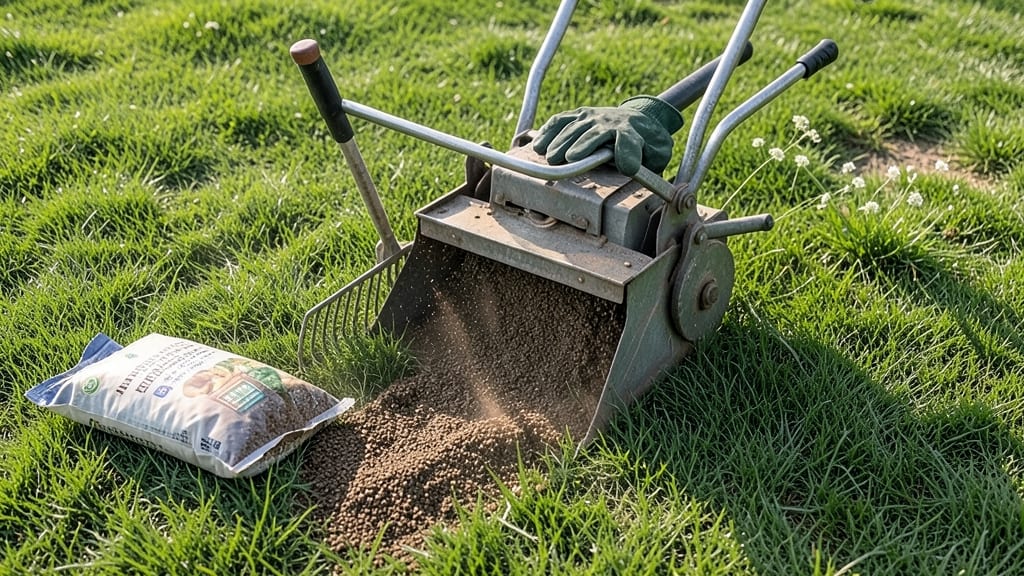
Fertilizing lawn in Ohio at the right time can turn thin, patchy grass into a lush, green carpet that stays resilient through summer heat and winter freezes.
Ohio’s unpredictable weather can leave homeowners wondering: When exactly should I fertilize my lawn to keep it thick, green, and resilient? Timing is everything—apply too early or late, and you might waste money or even harm your grass.
Most lawns in Ohio’s Zone 6a thrive with two key feedings: early spring (March–April) to kickstart growth and fall (September) to strengthen roots before winter. But there’s more to it than just months—soil temperature, grass type, and even recent rain can shift your schedule.
In this guide, I’ll break down the exact windows for fertilizing, how to pick the right fertilizer for Ohio’s clay-heavy soil, and the 5 mistakes that ruin even the best-laid plans. Let’s get your lawn growing like it’s September again.
Ohio’s ideal fertilization schedule: spring & fall timing explained
Ohio’s cool-season grasses like Kentucky bluegrass and tall fescue thrive when fertilized at the right times. Unlike warm-season grasses, these varieties grow best in spring and fall when temperatures are moderate. Soil temperatures below 50°F can slow nutrient absorption, making early spring and late fall the sweet spots for fertilization.
Timing your fertilizer applications around Ohio’s last frost date (mid-April) and first frost (mid-October) ensures your lawn gets nutrients when it needs them most. Early spring kickstarts growth after winter dormancy, while late fall helps roots harden for winter. Miss these windows, and you risk weak grass or wasted fertilizer.
Here’s a quick breakdown of Ohio’s ideal fertilization schedule based on grass type and seasonal cues:
| Season | Grass Type | Soil Temp Threshold | Best Time to Apply | Key Cue |
|---|---|---|---|---|
| Early Spring | Cool-season (Kentucky bluegrass, tall fescue) | 50°F+ | March–April (after last frost) | Grass greens up |
| Late Spring | Cool-season | 55°F+ | May–June (every 6–8 weeks) | Active growth phase |
| Early Fall | Cool-season | 60°F+ | September (before first frost) | Root strengthening |
| Late Fall | Cool-season | Below 50°F | None (dormancy) | Grass turns brown |
| Summer | Cool-season | 75°F+ | Light feed only | Heat stress risk |
For cool-season grasses, the first fertilization should happen in early spring (March–April) as soon as soil warms to 50°F. Look for signs like grass greening up or dandelions blooming—these indicate it’s time to feed. Use a high-nitrogen fertilizer (24-0-5) to encourage leaf growth and recovery from winter.
In late spring (May–June), apply a second round of fertilizer every 6–8 weeks to maintain vigor. Avoid fertilizing when soil temps exceed 75°F, as this can burn roots. Instead, opt for a light application or skip it entirely during summer heatwaves to prevent stress.
Fall fertilization is critical for Ohio lawns. Aim for a late summer to early fall (September) application to help grass store nutrients for winter. Choose a slow-release fertilizer to provide steady nutrition as temperatures drop.
This timing also helps thicken roots before the first frost, making your lawn more resilient to freeze-thaw cycles.
If you’re unsure about soil temperatures, use a soil thermometer or check local weather forecasts for 50°F+ thresholds. For warm-season grasses (like Bermuda or Zoysia), fertilization timing shifts to late spring through summer, but Ohio’s climate favors cool-season varieties for most homeowners.
Pro tip: Always water your lawn before and after fertilizing to help nutrients penetrate the soil. Early morning applications prevent fertilizer burn from afternoon heat, and a light rain within 24 hours ensures even distribution.
By following Ohio’s spring and fall fertilization schedule, you’ll promote thicker, greener grass while avoiding common pitfalls like over-fertilization or wasted nutrients. Adjust based on your grass type and local weather, and your lawn will thank you all season long! 🌱
How to choose the right fertilizer for Ohio’s climate & soil types
Ohio’s clay-heavy soils and variable climate demand a fertilizer strategy tailored to your lawn’s needs. Most Ohio lawns thrive with a balanced N-P-K ratio like 24-0-5 or 20-5-10, but soil testing reveals the truth—your yard might need adjustments for iron deficiency or potassium boosts before applying anything.
Start by testing your soil’s pH level (ideal range: 6.0–7.0). Ohio’s acidic soils often need lime to raise pH, while alkaline soils benefit from sulfur. A simple home test kit or lab analysis will guide your fertilizer choice—don’t guess!
For example, Kentucky bluegrass (Ohio’s favorite) craves nitrogen but chokes in compacted clay without proper aeration.
| Soil Type | Recommended Fertilizer | Key Adjustments | Best Time to Apply |
|---|---|---|---|
| Clay (Heavy) | Slow-release 24-0-5 + iron | Aerate before applying | Early spring or fall |
| Sandy (Light) | Quick-release 20-5-10 | Add organic matter (compost) | Late spring or summer |
| Loamy (Balanced) | Organic 5-3-3 (fish emulsion) | Test pH first (aim for 6.5) | Early fall for root growth |
| Acidic (pH <6.0) | High-phosphorus 10-20-10 + lime | Apply lime 2–3 weeks before fertilizer | Spring only |
For clay soils, choose a slow-release fertilizer to prevent nutrient runoff during Ohio’s heavy spring rains. Mix in sand or compost to improve drainage—this helps roots access nutrients instead of sitting in waterlogged soil.
If your lawn has yellow patches, it’s likely iron-deficient; opt for a fertilizer with chelated iron or apply iron sulfate separately.
Potassium deficiencies (brown leaf tips) are common in Ohio’s cool-season grasses. A low-potassium fertilizer (like 10-10-20) in late summer can prevent winter damage. Always water deeply after applying to activate nutrients—Ohio’s summer droughts can bake fertilizer into the soil before grass can use it.
Skip summer fertilization unless your lawn shows signs of stress (thin spots, slow recovery). Heat and humidity make grasses vulnerable to burn from excess nitrogen. Instead, focus on light watering and mowing high (3–4 inches) to shade roots.
Fall is your second chance—apply a low-nitrogen blend in September to strengthen roots before winter.
Pro tip: Mark your calendar for March 15th (after last frost) and September 15th—Ohio’s sweet spots for fertilization. Pair this with core aeration in late spring to let nutrients reach roots, not just sit on the surface.
Your lawn will thank you with deep green color and drought resistance all season. 🌱