
How To
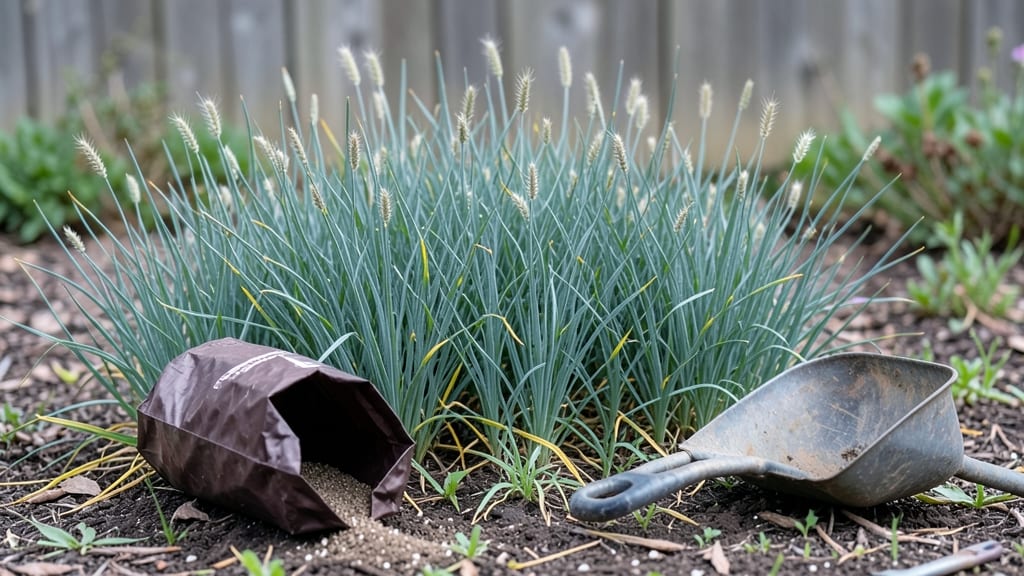
To fertilize new fescue grass, start 4-6 weeks after seeding with a light application of starter fertilizer (high in phosphorus) to encourage root development. Follow up with nitrogen-focused fertilizer in early spring and late fall for sustained growth, avoiding over-fertilization during establishment.
Timing matters because fescue grass has three distinct growth phases—seedling, vegetative, and maturity—each requiring different nutrients. 🌱 The initial phosphorus boost helps young roots establish firmly in the soil, while nitrogen later fuels leaf and blade growth.
I’ve seen firsthand how skipping this step can lead to weak, patchy lawns that struggle in drought or heavy foot traffic.
For best results, test your soil’s pH before applying fertilizer—most fescue thrives in slightly acidic soil (6.0-7.0). If your soil is too alkaline, the nutrients won’t absorb properly, wasting your efforts.
Organic options like compost or bone meal can work, but synthetic starter fertilizers with a 5-10-10 ratio (phosphorus-heavy) are faster and more predictable for new lawns.
💡 In This Article
- Fescue Grass Fertilizer Timing and Nutrient Needs
- Step-by-Step Guide to Fertilizing New Fescue Lawns
Fescue grass fertilizer timing and nutrient needs
Fescue grass goes through three critical growth phases—seedling, vegetative, and maturity—each demanding different nutrients. During the seedling stage (0-4 weeks after planting), the focus is on root establishment, where phosphorus plays a starring role. This nutrient helps form strong root systems by promoting cellular energy transfer and membrane development.
Without enough phosphorus, young roots struggle to penetrate the soil, leaving your lawn vulnerable to drought and poor nutrient uptake later.
The key here is understanding how soil temperature affects nutrient availability.
Phosphorus becomes most bioavailable when soil temperatures hover around 60-75°F—ideal conditions for fescue seed germination and early root growth. 🌱 If you apply phosphorus-rich fertilizer too early (when soil is cold), the nutrients may sit unused in the soil, while applying it too late (after 6 weeks
This is why the 4-6 week timing is non-negotiable for starter fertilizers. Once roots are established, the game shifts to nitrogen—fescue’s growth hormone for leaf and blade production. Unlike phosphorus, which builds infrastructure, nitrogen fuels rapid above-ground expansion during the vegetative phase (6-12 weeks). However, overapplying nitrogen too early can burn tender seedlings or cause excessive top growth at the expense of root strength. The 3-1-2 ratio (nitrogen-phosphorus-potassium) in growth fertilizers reflects this balance, prioritizing nitrogen only after roots have a solid foundation. Moisture levels also dictate when and how nutrients get absorbed. Fescue roots need consistent moisture to transport nutrients from soil to plant tissues. After applying starter fertilizer, water the area to 6 inches deep—this activates phosphorus uptake while preventing salt buildup that can stunt growth. In dry climates, you might need to water twice daily for the first week post-fertilization to maintain this moisture window. Here’s what happens if you skip these phases: Without phosphorus early on, roots develop like weak spider legs—unable to anchor the plant. Later, even with nitrogen, your lawn may yellow or develop patchy growth because the root system can’t support the demand. I’ve seen lawns where homeowners rushed nitrogen too soon, resulting in lush blades but shallow roots that died back in the first summer heatwave. For mature fescue (12+ months old), the focus shifts to maintaining the balance. A slow-release nitrogen fertilizer applied in early spring (when soil temps reach 50°F) and late fall (before dormancy) keeps growth steady without overwhelming the plant. This mimics natural seasonal cycles, where cooler weather slows nutrient demand but still requires maintenance. Pro tip: Use a soil test to check phosphorus levels before applying starter fertilizer. Many soils already have enough phosphorus, making additional applications unnecessary—and potentially harmful. A Mehlich-3 test (common for lawns) will tell you exactly what your soil is lacking, saving you time and money.