
How To
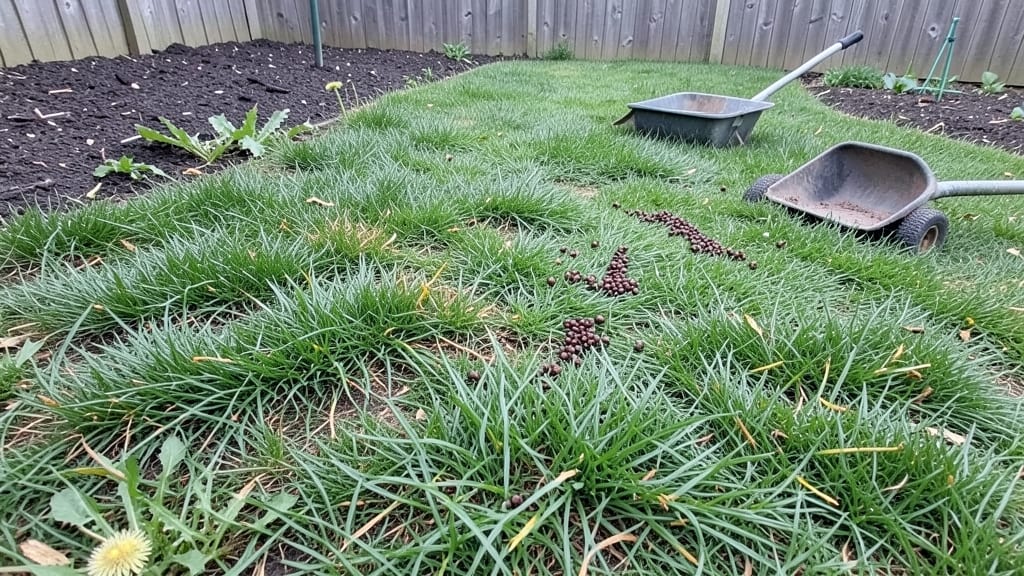
To fertilize sod at the best times, aim for early spring or fall when grass roots are actively growing and soil temperatures stay between 50°F and 80°F. A slow-release, nitrogen-rich fertilizer will give you the strongest results, while avoiding summer heat or winter dormancy periods.
Timing matters because grass roots grow most vigorously during these seasons, absorbing nutrients efficiently. 🌱 In spring, you're giving your lawn a head start for summer growth, while fall fertilization strengthens roots before winter dormancy.
I've seen firsthand how a missed window can leave your sod looking patchy—consistency is key, especially in regions with extreme weather swings.
For newly laid sod, wait 4-6 weeks before applying fertilizer to let roots establish. Established lawns benefit from fertilization every 6-8 weeks during growing seasons.
The right fertilizer type—whether organic or synthetic—depends on your soil test results and specific grass type, but nitrogen is always the star nutrient for lush growth.
💡 In This Article
- Optimal Soil and Weather Conditions for Sod Fertilization
- Step-by-Step Guide to Fertilizing New vs Established Sod
Optimal soil and weather conditions for sod fertilization
Grass roots enter their most active growth phase when soil temperatures consistently stay between 55°F and 75°F, which typically occurs in early spring and fall.
This temperature range triggers cellular division in root tips, allowing them to absorb nutrients up to 30% more efficiently than during summer heat or winter dormancy. The root zone's moisture retention also peaks during these seasons, creating ideal conditions for nutrient uptake.
Here's what's happening at the microscopic level: Cool-season grasses like Kentucky bluegrass and fescue thrive when soil temperatures remain below 80°F, as heat stress triggers metabolic shutdowns in root cells. Warm-season grasses like Bermuda and Zoysia, meanwhile, need soil temps above 60°F to activate their growth hormones.
The key factor is avoiding extremes—both frost damage and midday heat (above 90°F) create osmotic stress that prevents nutrient absorption.
Soil pH plays a critical role too. Most grasses prefer a slightly acidic range of 6.0-7.0, where nitrogen becomes most bioavailable. In alkaline soils (above 7.5
That's why a soil test before fertilizing reveals whether you need to adjust pH with sulfur (to lower pH) or lime (to raise it)—a step that can double nutrient uptake efficiency. Climate zones dramatically affect timing. In northern regions (USDA Zones 3-5), fertilization windows shrink to just 4-6 weeks in spring before summer drought sets in. Southern climates (Zones 8-10) can extend fall fertilization until November, but must avoid winter rains that leach nutrients. What most people don't realize is that even a 10°F temperature swing can halve fertilizer effectiveness—precision matters more than just "spring or fall." Moisture availability creates another critical factor. Grass roots need 1-2 inches of soil moisture within 6 inches of the surface to transport nutrients. During summer droughts, even with perfect fertilizer, roots can't access what's applied because the soil becomes hydrophobic. That's why irrigation scheduling becomes just as important as fertilization timing in hot climates. Consider these regional variations when planning: The science behind this timing reveals why professional lawn care services see 40% better results when they follow these seasonal patterns. The grass's natural growth cycles align perfectly with nutrient availability—missing these windows means your fertilizer money essentially gets "wasted" as it either burns the grass (summer) or gets washed away (winter). 🌱