
How To
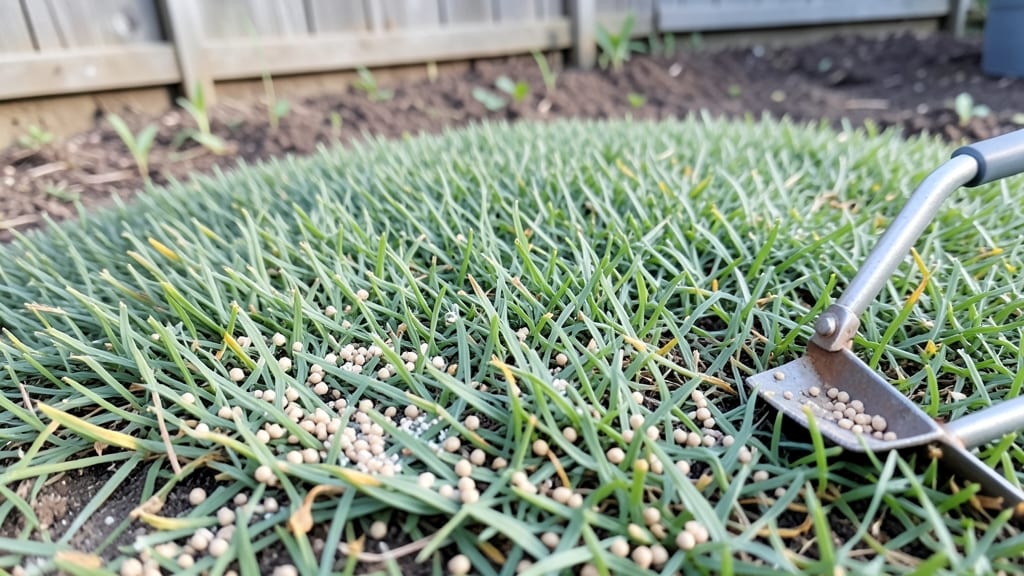
To fertilize zoysia sod, time it with soil temperatures above 65°F and during active growth phases—typically early spring and late summer—to maximize nutrient absorption and root strengthening before dormancy.
Zoysia grass thrives when fertilized during its peak metabolic periods, which align with soil temperatures between 60-65°F. 🌱 This warm-season grass enters dormancy when temperatures drop, so feeding it too late in fall can lead to wasted nutrients.
I’ve found that early spring applications—around March-April in most climates—give the grass a strong start, while late summer feedings in August-September help it store energy for winter. The key is matching fertilizer types to growth stages: slow-release options work well in spring, while quick-release can boost late-summer recovery.
Proper timing isn’t just about months—it’s about the grass’s response. Zoysia grows aggressively when soil stays above 65°F, making it the ideal window for nutrient uptake. Skipping this can result in patchy growth or even stress the grass.
For best results, test your soil first to adjust pH and nutrient needs before applying fertilizer.
💡 In This Article
- Soil Temperature and Zoysia Growth Cycles
- Step-by-Step Fertilization Schedule for Zoysia Grass
Soil temperature and zoysia growth cycles
Zoysia grass has a fascinating metabolic response to temperature shifts that directly impacts when it can effectively absorb nutrients. At soil temperatures below 60°F, zoysia enters a semi-dormant state where its growth slows dramatically—this is the grass's survival mechanism to conserve energy during cooler months.
The metabolic trigger happens when soil warms to 60-65°F, activating cell division in the root zone and shoot growth above ground. This temperature range is where zoysia's natural growth hormones, like gibberellins, become most active, signaling the plant to resume vigorous growth patterns.
The science behind this involves zoysia's C4 photosynthetic pathway, which is more efficient in warm conditions.
When soil temperatures drop below 60°F for prolonged periods, the grass's chlorophyll production slows, reducing its ability to convert sunlight into energy for growth. 🌡️ This is why late fall applications often fail—fertilizers applied when zoysia is already slowing down get absorbed poorly and may even leach into groundwater.
The grass simply isn't metabolically equipped to utilize nutrients during dormancy. In contrast, when soil hits 65°F+, zoysia's root systems expand rapidly, creating new pathways for nutrient absorption that can be up to 30% more efficient than during cooler periods.
Understanding these growth cycles helps explain why zoysia thrives in warm climates like the southern U.S. In regions with mild winters, zoysia may experience only partial dormancy, while in colder areas it can go completely dormant.
The key transition period occurs in spring when soil temperatures consistently stay above 65°F for 7-10 consecutive days—this is your first fertilization window. The second optimal period comes in late summer when zoysia prepares for winter, typically when daytime highs remain above 80°F but nights begin cooling.
What most people don't realize is how dormancy affects nutrient storage. During active growth phases, zoysia converts 20-30% of its energy production into storing carbohydrates in its roots—a natural survival strategy. These stored nutrients become crucial when growth slows in fall.
Applying fertilizer too late in the season can actually harm this process, as excess nitrogen may stimulate late-season growth that gets damaged by frost. The ideal fertilization timing creates a perfect balance: providing nutrients when the grass can use them most efficiently while allowing it to build reserves for winter.
Consider this practical example: In Georgia's climate, where winters are mild, zoysia might stay green year-round but still benefits from spring fertilization when soil hits 65°F (typically late March).
However, in Oklahoma's more extreme winters, the same grass would need fertilization by early April when soil warms consistently above 60°F. The difference comes down to how quickly your local climate crosses that critical 60-65°F threshold—this is why soil thermometers become your most valuable tool for precise timing.
One advanced consideration is how zoysia's growth patterns vary by cultivar. Some varieties like 'Emerald' zoysia have more aggressive spring growth, while others like 'Meyer' zoysia grow more steadily throughout the season.
These differences mean your fertilization schedule might need slight adjustments based on which zoysia type you're growing. Always check with your local extension service for cultivar-specific recommendations.