
Fertilization
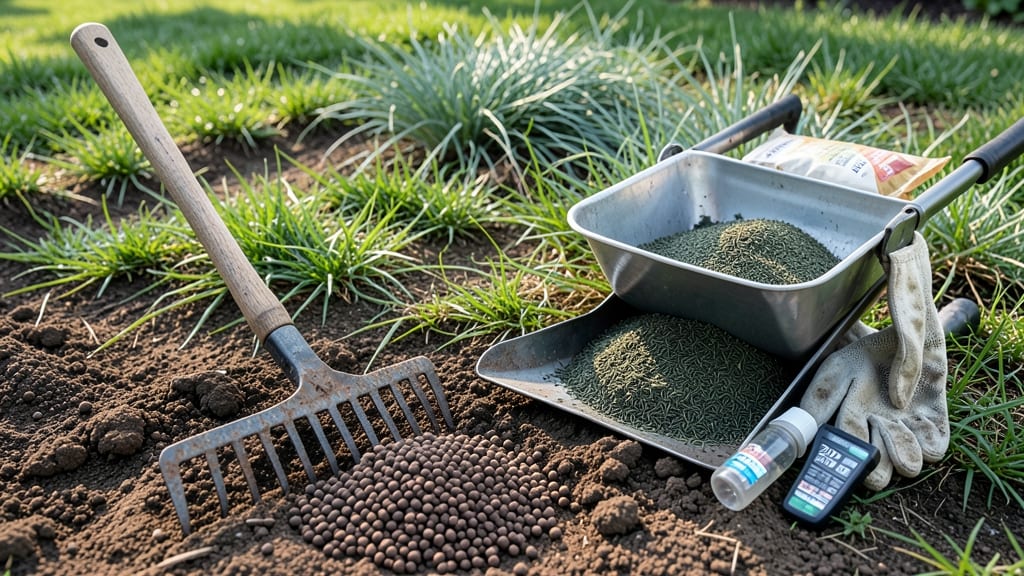
To seed and fertilize lawns in spring, timing depends on your climate zone: in warm zones (8-10), seed after soil reaches 65°F (late March–April), then fertilize 2–4 weeks later; in cool zones (4-7), seed in early spring (March–April) and fertilize 1–2 weeks before seeding for pre-emergent control. Northern regions should wait until soil thaws and warms to 50°F+ (May).
Getting your lawn seeding and feeding schedule right in spring isn't just about the calendar—it's about soil temperature and your local climate.
Warm-season grasses like Bermuda or Zoysia need that 65°F soil to germinate properly, while cool-season types like Fescue or Ryegrass thrive when soil is still cool. 🌱 The key is matching your grass type to the timing, not just following a one-size-fits-all approach.
For example, in Zone 5, I've seen dramatic differences in germination rates when seeding too early—seeds just rot in cold, wet soil. Pre-emergent fertilizers are especially important in cool zones because they help prevent weeds from stealing nutrients from your new grass.
What's interesting is how fertilizer timing changes based on your goal. If you're overseeding an existing lawn, you'll want that pre-seeding feed to give your new grass a head start against weeds. But if you're starting from scratch, waiting until after germination ensures your fertilizer won't burn tender seedlings.
I always recommend testing your soil first—knowing your pH and nutrient levels lets you customize your approach rather than just following a generic schedule.
💡 In This Article
- Spring Lawn Seeding and Fertilizing by Climate Zone
- Step-by-Step Spring Lawn Care Calendar
Spring lawn seeding and fertilizing by climate zone
The science behind spring lawn care timing starts with soil temperature—a critical factor that determines whether your seeds will germinate or simply rot.
Warm-season grasses like Bermuda and Zoysia need soil temperatures consistently above 65°F to activate their germination processes, while cool-season grasses like Fescue and Ryegrass thrive when soil stays between 50-65°F.
This temperature threshold explains why seeding too early in cold climates often leads to seed death from fungal diseases in saturated soil. 🌱 In USDA Zones 8-10, where soil warms quickly, you'll typically see successful germination by late March or April, while Zones 4-7 often need to wait until soil temperatures stabilize in early spring.
Fertilizer absorption works on similar temperature principles—nutrients become available to plant roots only when soil microbes are active, which happens at different temperature ranges. In warm climates, applying fertilizer too early can lead to nutrient leaching because microbes aren't yet active enough to process it.
That's why we recommend waiting until 2-4 weeks after seeding in these zones. In contrast, cool climates benefit from pre-seeding fertilizer applications because the cooler temperatures slow nutrient uptake, giving you more control over weed suppression before your new grass establishes.
The key difference is that warm-season grasses need their first feeding after germination to support rapid growth, while cool-season grasses can handle pre-emergent applications without risking seed damage.
What most people don't realize is how moisture levels interact with these temperature thresholds. Soil that's too wet above 65°F creates anaerobic conditions that prevent seed germination, while dry soil below 50°F prevents proper nutrient uptake.
This is why we always recommend testing both soil temperature and moisture before seeding—it's not just about the calendar date. In my experience working with backyard gardens across different zones, I've seen lawns fail spectacularly when people ignore these temperature-moisture interactions, especially during unpredictable spring weather patterns.
The solution? Use a soil thermometer to verify conditions before planting, and adjust your watering schedule to maintain consistent moisture without oversaturating.
Another critical factor is grass type selection—cool-season grasses establish best in early spring when soil temperatures are still cool, while warm-season grasses need that 65°F+ trigger to germinate properly. This is why overseeding cool-season lawns in fall often works better than spring seeding in warm climates.
The timing difference comes down to how these grasses evolved: cool-season types thrive in temperate spring conditions, while warm-season varieties are adapted to summer's heat.
Understanding this biological difference helps explain why your neighbor's lawn might look perfect while yours struggles—it could simply be a mismatch between grass type and planting timing. 🌿
For northern regions where winters are harsh, the soil thawing process adds another layer of complexity. You'll need to wait until soil temperatures consistently reach 50°F+ (typically May) before seeding, as frozen ground prevents proper seed-to-soil contact. This waiting period allows for better seed-to-soil contact and proper root establishment.
The good news is that once these conditions are met, cool-season grasses will establish rapidly in the cooler spring temperatures.
I've found that using a soil warming technique like black plastic mulch can help accelerate this process in particularly cold springs, but it requires careful monitoring to avoid overheating the soil.
One common mistake I see is applying pre-emergent herbicides too late in the season—this can prevent your new grass from establishing properly.
In warm climates, pre-emergent should be applied 2-4 weeks before seeding to give it time to establish a protective barrier, while in cool climates, the timing window is narrower due to faster germination rates. The key is to understand your local weed pressure and adjust your timing accordingly.
For example, in areas with heavy crabgrass infestations, you might need to apply pre-emergent earlier than the standard recommendation to get full protection. Always check the product label for specific timing instructions based on your climate zone.