
Lawn
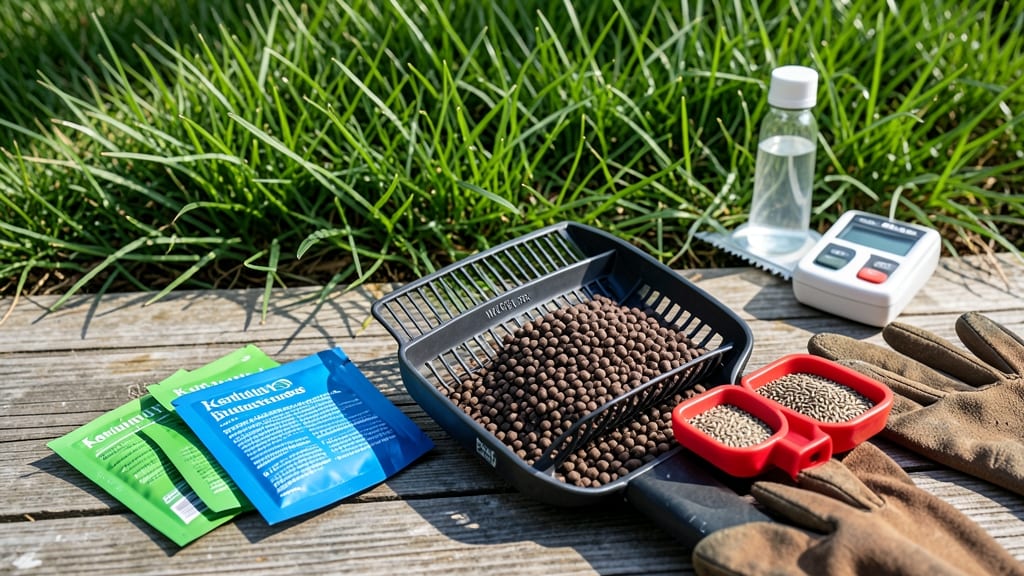
To seed and fertilize lawn at the right time means the difference between a lush, green carpet and a patchy, weed-infested mess — and getting it wrong costs more than just a little pride.
Picture this: You’ve just spread fresh seed 🌱 in late spring, only to watch it bake under a heatwave before it even sprouts. Or you fertilize too late in fall, leaving your grass vulnerable to winter kill. Timing isn’t just a suggestion—it’s the foundation of a healthy lawn.
In Zone 6, early spring (March–April) and early fall (August–September) are your golden windows for seeding, while fertilizing follows a 6–8 week schedule when the grass is actively growing.
But if you’re in a warmer climate, those rules flip—warm-season grasses thrive in summer, while cool-season types need a different approach.
Below, I’ll break down the exact months to seed and fertilize based on your climate, the soil conditions that make or break success, and the 3 biggest mistakes that turn good intentions into wasted effort.
Optimal lawn seeding and fertilizing schedule by USDA climate Zones
Getting your lawn seeding and fertilizing timing right is the difference between a lush, green carpet and a patchy, weed-infested eyesore.
Your USDA climate zone dictates when to plant seeds and apply fertilizer—cool-season grasses (like tall fescue or Kentucky bluegrass) thrive in Zones 3-6, while warm-season grasses (such as Bermuda or Zoysia) dominate Zones 7-10.
Missing the window can mean wasted seeds or fertilizer burn, so let’s break it down by season and zone.
For cool climates (Zones 3-6), the best time to seed is early spring (March-April) or late fall (August-September), when soil temperatures hover between 55-65°F. Fertilizing follows a similar schedule: spring (March-April) for growth and fall (September-October) for root strengthening.
In contrast, warm climates (Zones 7-10) shift to late spring (May-June) for seeding and early fall (August-September) for fertilizing, aligning with monsoon seasons or cooler temperatures.
Here’s the key difference: Cool-season grasses go dormant in summer heat, while warm-season grasses slow down in winter. Your local frost dates and rainfall patterns are your best guides—plant when the ground is workable but weeds haven’t taken over yet.
Skipping this step can leave your lawn vulnerable to crabgrass or dandelions, which thrive in bare spots.
In Zones 3-6, I recommend starting with a pre-emergent herbicide in early spring to block weeds before seeding. For Zones 7-10, focus on overseeding in fall to strengthen warm-season grasses before winter dormancy.
The table above shows the ideal soil temperatures—use a soil thermometer to confirm before planting. Skipping this step often leads to seeds sprouting too late or fertilizers burning tender new shoots.
Fertilizing too early in spring (before active growth) wastes nutrients, while applying it in summer heat can burn grass blades. Instead, time your first spring feed when you see 3-4 inches of new growth—usually late March to early April in cooler zones.
In warm zones, wait until after the last frost (typically May) to avoid shocking dormant grass.
For late fall fertilization, switch to a high-potassium blend (like 10-0-20) in September-October to harden off roots before winter. This is especially critical in Zones 4-6, where freezing temps can damage weak root systems.
In Zones 8-10, a light feed in August prepares grass for cooler weather ahead.
One common mistake I see is seeding in summer, which stresses grass and invites weeds. Instead, aim for consistent moisture and partial shade during germination. Use a mulch mat to retain soil moisture and block weeds until seeds establish.
For fertilizing, always water deeply 24 hours before and after application to prevent runoff and ensure nutrients reach the roots.
If you’re in a
Critical factors that determine your lawn’s best planting/fertilizing window
Your lawn’s health starts with getting the timing right—because seeding or fertilizing at the wrong time can leave you with thin grass, weed invasions, or even wasted money.
The best window depends on four key factors: soil temperature, rainfall patterns, your grass type, and local climate quirks like early frosts or droughts. Ignore these, and you might as well be throwing seeds into a desert or fertilizing during a heatwave.
Let’s break down how each factor plays a role. For example, cool-season grasses like Kentucky bluegrass thrive when soil temps hit 55-65°F, while warm-season grasses like Bermuda need 75-85°F to germinate.
Rainfall matters too—planting before a downpour can wash seeds away, while fertilizing right before a drought locks nutrients out of reach. Even your local frost dates shift the calendar, meaning a Zone 5 lawn needs a different approach than a Zone 9 one.
- 🌡️ Soil Temperature: Seed when soil is 55-65°F (cool-season) or 75-85°F (warm-season). Use a soil thermometer—guessing leads to poor germination.
- 🌧️ Rainfall Timing: Plant 1-2 weeks before rain (not during) to avoid seed erosion. Fertilize 24 hours before watering to activate nutrients.
- 🌱 Grass Type: Cool-season grasses peak in early spring/fall; warm-season grasses thrive in late spring/summer. Mixing them up? Schedule seeding 6-8 weeks apart.
- ❄️ Frost Dates: In cold zones, seed 4-6 weeks before first frost to establish roots. In warm zones, avoid seeding within 30 days of frost—it won’t survive.
- ☀️ Sunlight Hours: Fertilize when grass gets 6+ hours of sun daily. Shady lawns need low-nitrogen fertilizer to avoid burning.
One of the biggest mistakes I see? People seeding in summer heat or fertilizing right before a hard freeze. Your grass won’t thank you—it’ll either bake in the sun or wither from shock. Instead, sync your calendar with your grass’s natural rhythm.
For example, in Zone 6, I seed Kentucky bluegrass in April (soil warms up) and fertilize in early May (after last frost). In Zone 8, I switch to August seeding for warm-season grasses like Zoysia.
Don’t overlook local weather anomalies, either. If your area gets unpredictable droughts, schedule fertilization around rainy forecasts—or use slow-release fertilizers to stretch nutrients through dry spells.
Similarly, if early frosts are common, push seeding to late August instead of September to give roots time to anchor before winter. A quick check of your USDA Plant Hardiness Zone and historical frost dates can save you from costly trial and error.
Pro tip: Use a lawn care calendar tailored to your zone. Mine includes reminders for soil testing in early spring, pre-emergent weed control in late winter, and fall aeration in September.
These small adjustments make all the difference between a lush, green lawn and a brown, patchy mess. Start with the factors above, and you’ll be well on your way to a timing-perfect lawn care routine.
Remember, the best time to seed or fertilize isn’t just about the calendar—it’s about reading your lawn’s signals. If your soil feels cool to the touch or your grass looks stressed, wait. Patience here means stronger roots, fewer weeds, and a lawn that stays vibrant year-round. 🌱