
Lawn
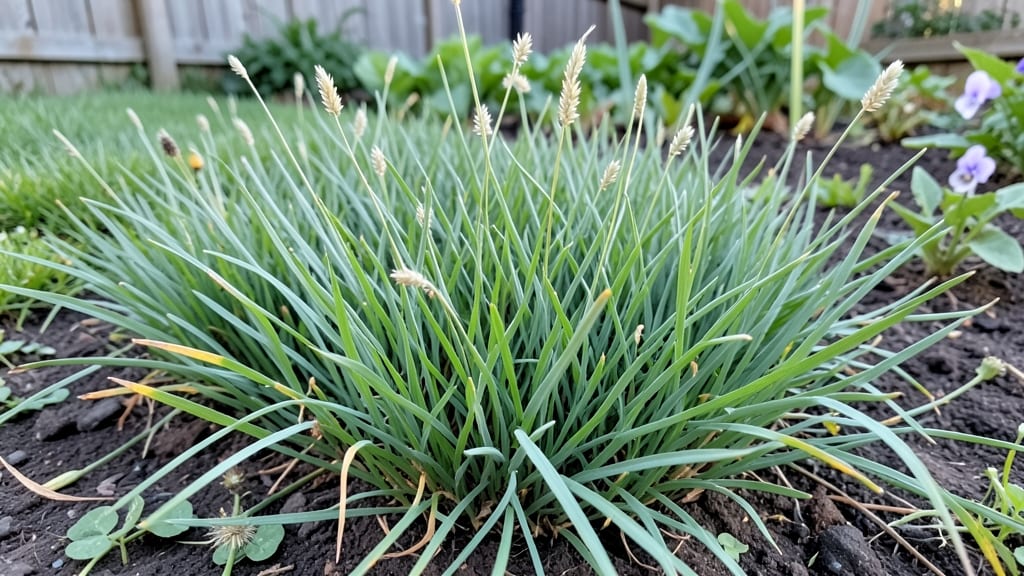
Understanding why grass matters goes beyond just its green appearance—it's a cornerstone of healthy environments.
The deep root systems of grass hold soil together, preventing it from washing away during storms, which is especially vital in agricultural and urban areas. 🌱 Beyond erosion control, grass acts as a natural carbon sink, absorbing CO₂ and helping combat climate change by storing carbon in its roots.
This makes grass-covered areas more resilient to environmental stressors while supporting countless species that rely on it for food and shelter.
From a human perspective, grass transforms landscapes into functional spaces. It filters air pollutants, cools urban areas by reflecting sunlight, and provides essential grazing land for livestock. Even in residential settings, well-maintained lawns increase property values and create spaces for outdoor activities.
The versatility of grass—whether in meadows, pastures, or lawns—makes it one of nature's most valuable resources.
💡 In This Article
- Ecological Roles of Grass in Ecosystems
- Practical Uses of Grass in Landscaping and Agriculture
Ecological roles of grass in ecosystems
Grass ecosystems act as nature's glue, holding together fragile landscapes through their extensive root networks. A single square foot of grass can contain up to 25 miles of roots, creating a dense web that binds soil particles together.
This root system prevents wind and water from carrying away topsoil—a process called soil stabilization. Without grass, fertile land would erode at rates up to 100 times faster, turning productive farmland into barren wastelands within decades. 🌱
The carbon sequestration power of grass is equally impressive. Through a process called photosynthesis, grass absorbs CO₂ and converts it into organic matter, storing carbon in both its above-ground biomass and deep roots.
Some grasslands can sequester 2-3 tons of carbon per acre annually, making them more effective than many forests. This underground carbon storage helps mitigate climate change by keeping greenhouse gases out of the atmosphere for centuries.
Grass also sustains biodiversity by creating microhabitats for countless species. The dense growth provides shelter for insects like bees and butterflies, while the seeds feed birds such as sparrows and finches.
Larger mammals like deer and bison rely on grass for nutrition, and even reptiles benefit from the shaded, moist environments grass creates. A single acre of prairie grassland can support 100+ plant species, creating a food chain that extends from microscopic soil organisms to top predators.
One often-overlooked mechanism is how grass influences water cycles. Its roots create pathways for water infiltration, reducing runoff and replenishing groundwater supplies. In drought-prone regions, grasslands can maintain 30-50% higher moisture levels in soil compared to bare ground.
This hydrological benefit extends to urban areas, where grass-covered parks help manage stormwater and prevent flooding in nearby streets. 💧
Grass also plays a crucial role in nutrient cycling. As it grows, grass absorbs essential minerals from deep soil layers and brings them to the surface through natural decomposition. This process enriches the topsoil, making it more fertile for other plants.
In agricultural systems, cover crops like clover and ryegrass are planted specifically to restore soil health through this mechanism, often increasing crop yields by 15-20% in subsequent seasons.
The interconnectedness of these ecological roles explains why grasslands are among the most productive ecosystems on Earth. From the Great Plains of North America to the Serengeti in Africa, these landscapes support human civilizations by providing food, clean water, and stable climates.
The loss of just 1% of grassland can disrupt local weather patterns and reduce biodiversity, demonstrating how vital grass truly is to planetary health. 🌍