
Lawn
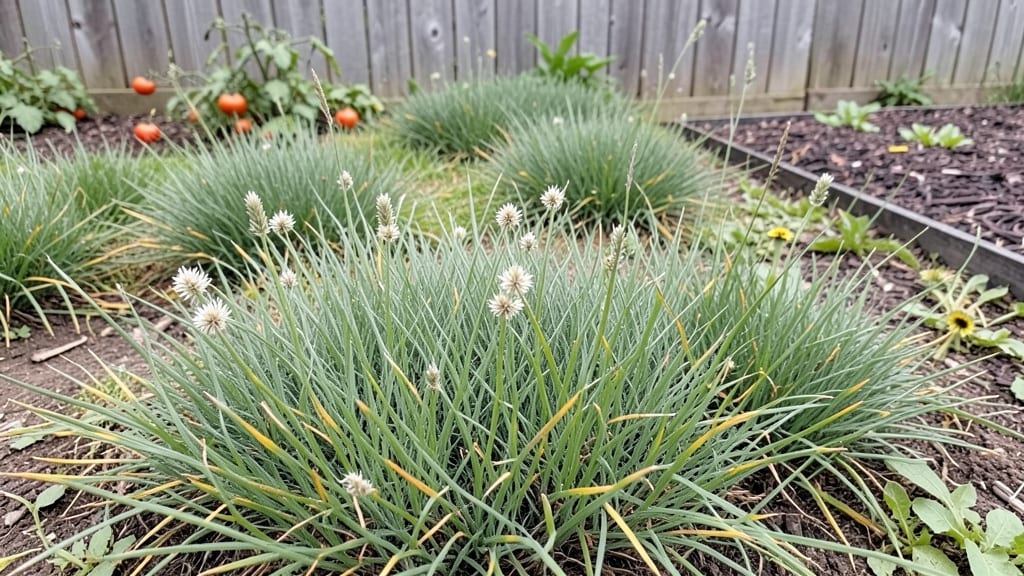
A yellow grass field isn’t just a sign of poor curb appeal—it’s your soil screaming for help 🌾, and the fix is faster than you think.
Picture this: You step outside after a long week, expecting a vibrant green lawn, only to find patches turning dull yellow. That’s not just a cosmetic issue—it’s a symptom of deeper problems like nutrient starvation, overwatering, or even hidden pests gnawing at your grass roots.
The good news? You don’t need a degree in lawn care to turn things around. With just 10 minutes and the right approach, you can diagnose the issue and restore that lush green in no time.
Whether it’s a quick fertilizer boost, adjusting your watering schedule, or tackling a pest problem, we’ve got the fast fixes you need.
Below, I’ll walk you through the most common causes of yellowing grass, how to spot them fast, and the easiest solutions to bring your field back to life—without breaking the bank or your back.
Why your grass turned yellow and how to diagnose the problem fast
Seeing a yellow grass field instead of your vibrant lawn can feel like a mystery, but it’s actually your grass’s way of signaling distress. The key to fixing it fast lies in diagnosing the root cause—whether it’s a nutrient deficiency, watering issues, or hidden pests.
With just a few simple tests, you can pinpoint the problem in under 10 minutes and take immediate action.
Start by examining the pattern and shade of yellow. Is it a uniform pale yellow, or are there patches with dark spots or thinning areas? Each clue points to a different culprit.
For example, pale yellow grass often signals nitrogen deficiency, while dark brown patches could mean fungal disease or overwatering. Let’s break it down step by step.
Once you’ve identified the issue, act fast. For example, if your yellow grass field is due to nutrient deficiency, a quick fix is applying a balanced fertilizer with higher nitrogen content.
If the problem is soil compaction, rent a core aerator or use a garden fork to poke holes in the ground. These fixes can make a noticeable difference in as little as a week.
Don’t overlook the role of watering habits. Overwatering or underwatering are two of the most common mistakes that turn grass yellow. A simple rule: water deeply 2-3 times per week (early morning is best) to encourage deep root growth.
If your soil feels soggy after watering, you’re overdoing it. If it’s dry and crumbly, increase your watering frequency.
For pest or disease issues, act immediately to prevent spread. Remove affected grass clumps and apply a natural fungicide like neem oil or a grub killer if you spot white grubs.
Regularly inspect your lawn for early signs of trouble—this can save you hours of cleanup later. A weekly 10-minute walk with a magnifying glass can catch problems before they escalate.
If you’re still unsure after your tests, grab a soil test kit (available at garden centers for under $20). These kits reveal pH levels and nutrient deficiencies, giving you a precise roadmap for recovery.
Most grass thrives in a pH range of 6.0 to 7.0, so if your soil is too acidic or alkaline, amendments like lime or sulfur can bring it back into balance.
Remember, the goal isn’t just to restore color but to create a healthy lawn ecosystem. Healthy grass outcompetes weeds, resists pests, and recovers faster from stress. Start with the quick fixes, monitor your progress, and adjust as needed.
With the right approach, your yellow grass field will be lush and green in no time.
Pro tip: Keep a lawn journal to track changes. Note when you water, fertilize, or notice improvements. This helps you refine your approach for next season. A little consistency goes a long way in maintaining that perfect green carpet.
10-Minute nutrient fixes: which grass fertilizer works best for your yellow field?
If your grass field is turning yellow, it’s likely signaling a nutrient deficiency, most commonly nitrogen or iron. The good news? You can diagnose and treat the issue in just 10 minutes with the right fertilizer fix.
The key is choosing the right type based on your grass’s specific symptoms—whether it’s pale yellow (nitrogen deficiency) or yellow with green veins (iron deficiency).
Quick fixes range from liquid fertilizers for immediate results to organic amendments for long-term soil health. Each option has its own application method, cost, and effectiveness. Let’s break down your fastest options so you can pick the best one for your lawn’s needs.
Pros-Cons Box:
Fast-acting, nitrogen-rich solutions like urea ammonium nitrate (UAN).
• Quick results (visible in 3-7 days)
• Easy to apply with a sprayer
• Water-soluble for fast absorption
• Short-term fix (requires reapplication)
• Can burn grass if overused
• Higher cost per treatment
Slow-release nitrogen or iron granules like Milorganite or Ironite.
• Longer-lasting (4-6 weeks)
• Balanced nutrients for soil health
• Cost-effective for large areas
• Requires spreading and watering in
• Slower to show results (7-14 days)
• Can clump if not applied evenly
Natural options like compost, manure, or seaweed extract.
• Improves soil long-term
• Safe for pets/kids
• Multi-nutrient boost
• Slowest results (2-4 weeks)
• Requires prep work (spreading, tilling)
• Can attract pests if overused
For a pale yellow lawn, a liquid nitrogen fertilizer is your fastest fix—just mix and spray. If your grass has yellow patches with green veins, an iron supplement like Ironite will target the deficiency directly.
For a balanced approach, granular top-dressing is ideal for larger fields, while organic amendments are best for long-term soil health.
Before applying, mow your grass slightly shorter (about 2.5 inches) to help the fertilizer reach the roots faster. Water lightly after application to activate the nutrients, but avoid overwatering, which can wash away the treatment. Most fixes show results within 3-14 days, depending on the method.
If your grass is also spongy or discolored in patches, it might indicate soil compaction or fungal issues, which require additional steps like aeration or fungicide. But for pure nutrient deficiency, these 10-minute fixes will get your lawn back on track in no time.
💧