
Diseases
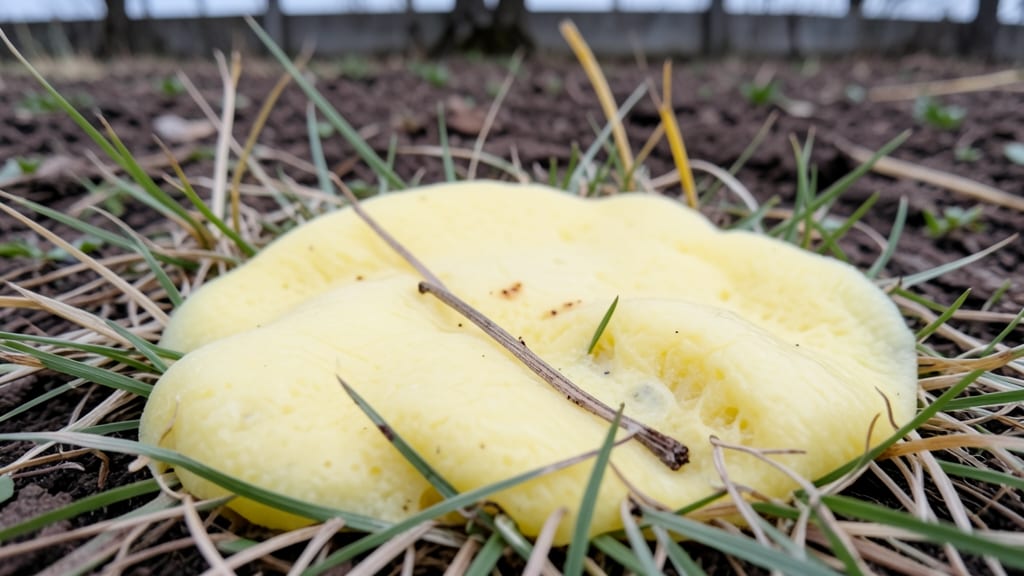
That eerie yellow slime mold on grass slithering across your lawn isn’t just ugly—it’s a sign your grass needs a reset. 🌱 I’ve battled this slimy invader in my own yard, and I’ll show you how to banish it without chemicals that could hurt your turf.
The key is acting fast before it spreads, because while it looks gross, it rarely kills grass permanently.
This mold thrives when grass clippings, leaves, or thatch pile up in damp conditions, creating the perfect fungal buffet. My lawn got hit hard after a rainy week when I skipped raking—turns out, even small patches can turn into a gooey mess if ignored.
The good news? It’s not a deep-rooted problem, and with the right approach, you can restore your lawn’s health in just a few steps.
You’ll learn to scrape away the slime (yes, it comes off), improve airflow with simple tools, and even use household items to discourage it from returning.
The results? A lawn that looks clean again within days, with no lingering damage. No harsh sprays, no waiting months—just a fresh start for your grass.
Works for both cool-season and warm-season grasses, and the methods are safe for pets and kids once the area dries. Let’s get your lawn back to looking sharp without the slimy surprise.
Why it happens
Yellow slime mold isn’t a fungus, plant disease, or pest—it’s actually a type of protist (a single-celled organism) that thrives under specific conditions. While it may look alarming, it’s harmless to your grass and won’t damage your lawn.
But why does it suddenly appear like a neon-yellow carpet? Let’s break down the key factors that turn your grass into a temporary slime mold hotspot.
🌧️ Excess Moisture & Humidity
Slime molds love water—a lot of it. When your lawn receives heavy rainfall, frequent dew, or poor drainage, the soil stays saturated for long periods. This creates the perfect damp environment for slime mold spores to:
- Activate: Spores remain dormant in soil until moisture triggers their growth.
- Spread: Excess water softens the thatch layer, making it easier for the mold to creep across the grass blades.
- Multiply: High humidity (above 80%) keeps the slime mold’s fruiting bodies (the yellow patches) moist and visible.
Pro Tip: 💡 If your lawn sits in a low-lying area or has compacted soil, water pools there—ideal slime mold real estate. Test drainage by walking on your lawn after rain; if water lingers for hours, it’s a red flag.
🍄 Organic Debris Buildup
Slime molds feed on decaying plant matter, so a lawn rich in organic debris is like an all-you-can-eat buffet for them. Common culprits include:
- Thatch layers: A thick thatch (dead grass, roots, and stems) traps moisture and nutrients, fueling slime mold growth.
- Leaves and clippings: Unremoved grass clippings or fallen leaves create a cozy microclimate for spores.
- Compost or mulch piles: If organic matter is scattered near your lawn, spores hitchhike the moisture to your grass.
Key Insight: 🔥 Slime molds are saprophytic, meaning they break down dead organic material for energy. If your lawn has a thick thatch layer (over ½ inch), it’s a prime slime mold magnet.
🌡️ Warm, Stable Temperatures
Slime molds are not cold-hardy—they thrive in temperatures between 60°F and 80°F (15°C–27°C). When your lawn enjoys:
- Consistent warmth: Spring and fall (especially after rain) are peak seasons for outbreaks.
- Slow-drying conditions: Overcast days or shaded areas keep the mold’s fruiting bodies hydrated longer.
Fun Fact: 🌡️ Some slime molds, like Fuligo septica (dog vomit slime), produce enzymes that liquefy organic matter—perfect for spreading in warm, damp conditions. That’s why they often appear after a warm rain.
🌱 Poor Lawn Maintenance
While slime mold isn’t harmful, neglecting your lawn can invite it. Common maintenance oversights include:
- Infrequent mowing: Tall grass traps moisture and debris, creating ideal slime mold conditions.
- Lack of aeration: Compacted soil prevents water from draining, leaving the surface soggy.
- Over-fertilizing: Excess nitrogen can promote lush growth, but it also feeds microbes—including slime molds—in the soil.
Actionable Tip: ✨ Mow regularly (but don’t scalp your grass!) and aerate in early fall to reduce thatch buildup. This disrupts the slime mold’s food source and improves drainage.
Quick Fixes for Unwanted Slime
Discovering a yellow slime mold on your lawn can feel like an unwelcome surprise, but don’t worry—it’s usually harmless and easy to remove. The key is addressing the root causes while keeping your grass healthy.
Below, we’ll break down practical solutions based on what’s causing the issue, along with prevention tips to keep your lawn looking its best.
🌱 Overwatered or Shady Lawns: Reduce Moisture & Improve Airflow
If your grass stays damp for too long—whether from heavy watering, poor drainage, or shade—slime mold thrives. Here’s how to fix it:
🔥 Step 1: Let the Lawn Dry Out
Skip watering for a few days to allow excess moisture to evaporate. Slime mold needs humidity to spread, so reducing watering frequency (especially in the evening) helps.
🍳 Step 2: Improve Drainage
If your yard holds water after rain, consider aerating the soil or adding a layer of compost to help water drain better. A simple rake can also break up compacted areas.
👨🍳 Step 3: Trim Overgrown Grass & Shrubs
Thick, dense grass traps moisture. Mow regularly and thin out any overgrown areas to let air circulate. This also reduces shade, which slime mold loves.
💡 Prevention Tip:
Water early in the morning so the grass has time to dry before nightfall. Avoid leaving sprinklers running overnight.
🍄 Organic Debris Buildup: Clean Up & Maintain
Leaves, thatch, and organic matter create the perfect breeding ground for slime mold. A quick cleanup goes a long way.
🔪 Step 1: Rake Up Debris
Remove fallen leaves, twigs, and thick thatch layers. A stiff rake or leaf blower works well for larger areas.
🌡️ Step 2: Dethatch if Needed
If your lawn has a thick layer of thatch (over ½ inch), use a dethatching rake or machine to loosen it. This improves airflow and reduces moisture retention.
✨ Prevention Tip:
Mulch grass clippings instead of leaving them on the lawn—this prevents excess organic buildup while still returning nutrients to the soil.
🌦️ Humid or Rainy Weather: Adjust Care Routine
Slime mold loves humidity, so if your area gets frequent rain or high moisture, you’ll need to adapt your lawn care.
🎯 Step 1: Avoid Heavy Fertilizer Use
Too much fertilizer can promote lush, soft grass that holds moisture longer. Opt for a balanced, slow-release fertilizer instead.
💪 Step 2: Strengthen Grass Health
Healthy grass resists slime mold better. Overseed thin areas in the fall and apply a light layer of compost to boost resilience.
🔥 Prevention Tip:
If rain is frequent, consider installing a simple rain gauge to monitor moisture levels and adjust watering accordingly.
🧹 General Removal: Safe & Effective Methods
Once the slime mold appears, you can remove it without harming your lawn:
🍳 Method 1: Rake or Sweep It Away
Use a leaf rake or broom to gently scrape off the slime. Avoid digging into the soil—this can spread spores.
👨🍳 Method 2: Hose It Off
A strong stream of water from a hose can wash away the slime. Just be gentle to avoid damaging grass blades.
💡
Never use chemicals—slime mold is non-toxic and doesn’t harm grass. Fungicides are unnecessary and can disrupt your lawn’s natural balance.
With these simple steps, you can say goodbye to yellow slime mold and keep your lawn lush and healthy. The key is prevention—dry conditions, good airflow, and regular maintenance will keep slime mold from making a comeback!
Frequently asked questions
Is yellow slime mold harmful to my grass or pets?
No, yellow slime mold is completely harmless to both grass and pets. It’s a non-toxic protist that feeds on decaying organic matter. While it may look unappealing, it won’t damage your lawn permanently or pose any health risks to animals. The real concern is the conditions that allow it to grow—like excess moisture or thatch buildup—which can indirectly stress your grass.
Why does yellow slime mold keep coming back after I remove it?
If it keeps reappearing, your lawn likely has the perfect conditions for slime mold: moisture, organic debris, or poor drainage. Focus on improving airflow by raking up thatch, aerating compacted soil, and reducing evening watering. Slime mold needs humidity to thrive, so addressing these root causes will prevent its return.
Can I use vinegar or bleach to kill yellow slime mold?
No, never use bleach or harsh chemicals—it’s unnecessary and can harm your grass. Vinegar might temporarily dry out the slime, but it won’t solve the underlying moisture or debris issues. Instead, use a leaf rake or hose to remove it, then focus on improving drainage and reducing organic buildup for long-term prevention.
Does yellow slime mold spread to other plants or gardens?
It rarely spreads beyond your lawn, but spores can hitchhike on tools or debris to nearby areas. To prevent cross-contamination, clean your rake or broom with hot, soapy water after removing slime mold. The key is addressing the conditions (like damp thatch) that allow it to grow in the first place.
Will overseeding my lawn help prevent yellow slime mold?
Yes! Overseeding thin or weak areas in fall strengthens grass density, reducing spaces where slime mold can take hold. Healthy grass also improves airflow and dries faster after rain. Pair overseeding with regular mowing and debris removal for the best results.